Exploring the Temple of Luxor
Hidden in the heart of modern-day Luxor, the Temple of Luxor stands as a living testament to ancient Egyptian splendor and ingenuity. This awe-inspiring landmark offers a glimpse into one of the world’s most fascinating civilizations without losing its charm in the backdrop of today’s bustling city. If you’re a history enthusiast or simply eager to explore one of Egypt's many jewels, this guide to the Temple of Luxor will spark your excitement.
From its historical significance to tips for experiencing it firsthand, here’s everything you need to know about this iconic temple.
Introduction to the Temple of Luxor
The Temple of Luxor, affectionately known as “Southern Sanctuary” in ancient times, dates back to around 1400 BCE. It was constructed primarily during the reigns of Pharaoh Amenhotep III and Ramses II, two rulers synonymous with Egypt’s Golden Era. Though many travelers to Egypt are mesmerized by the Great Pyramids, Luxor Temple offers a different kind of wonder. It’s a place where religious devotion, royal propaganda, and skillful architecture blended seamlessly to create a lasting legacy.
Originally constructed to honor Amun-Ra, the king of the gods, the Temple of Luxor played a pivotal role in Egyptian religious practices and was an essential venue for annual festivals, such as the Opet Festival. Unlike other temples built for stabilization of power in the afterlife, Luxor Temple was designed as a living temple, celebrating the continuity of life, kingship, and divine worship.
Visiting this temple isn’t merely sightseeing; it’s a walk through centuries of history, artistry, and faith.
Architectural Masterpieces in Luxor Temple
One of the most striking features of the Temple of Luxor is its impeccable architectural design, which showcases the genius of ancient Egyptian builders. Here are some key architectural highlights and the symbolic meanings they carry:
The Avenue of Sphinxes
This grand entrance leads visitors into the heart of the temple complex, flanked on either side by a seemingly endless row of over 1,000 sphinxes. Designed to connect the Luxor and Karnak temples, these mythical guardians symbolize protection and divine authority. Marveling at this avenue at dusk when the sphinxes are illuminated is an unforgettable experience.
The Colonnade of Amenhotep III
Step into the colonnade, and you’ll be surrounded by towering, 52-foot-high columns. These intricately adorned structures are designed to replicate papyrus stalks, representing life and abundance along the Nile River. Spanning 100 meters in length, this walkway is known for its elegance and symmetrical design.
The Obelisk and Pylon of Ramses II
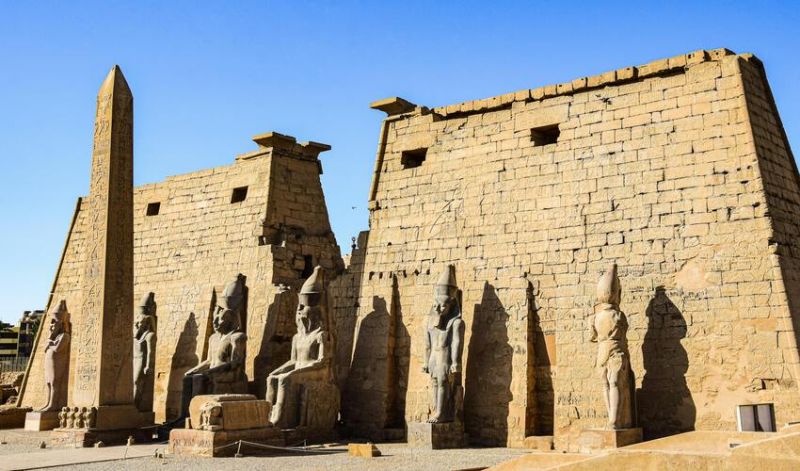
Marking the grand entrance are the towering pylons and a majestic obelisk. Although there were originally two obelisks, one now stands in Paris at the Place de la Concorde. These marvels showcase Ramses II’s military prowess through carved battle scenes that glorify his victories. The remaining obelisk is a jaw-dropping 82 feet high and weighs an estimated 250 tons, a jaw-dropping testament to the ancient Egyptians’ engineering expertise.
Hypostyle Hall
This enclosed space is famous for its 32 towering sandstone columns, each rising to over 16 meters in height. Hieroglyphic inscriptions and carvings envelop these columns, telling stories of offerings, rituals, and divine adoration. The play of light and shadow here is a photographer’s dream.
Role in Ancient Egyptian Religious Practices
Luxor Temple wasn’t just a display of grandeur; it served an essential role in ancient Egypt's spiritual life. Unlike temples built mainly for the deceased rulers' afterlife, Luxor Temple was dedicated to celebrating the renewal of kingship and the continued life of the nation.
The Opet Festival
One of the temple’s standout functions was its role in hosting the annual Opet Festival. This grand celebration involved carrying the statues of Amun, Mut (his consort), and Khonsu (their son) from nearby Karnak Temple to Luxor Temple’s sacred chambers. The festival symbolized the rejuvenation of divine power and legitimization of the ruling pharaoh. Think of it as a grand procession that united the rulers with the gods, all to ensure prosperity for Egypt.
A Living Temple
The structure was intricately designed so that the further inside you ventured, the more sacred the space became. Only priests and royalty had access to the inner sanctum, where rituals to honor Amun-Ra as the supreme god were carried out. Even today, the temple radiates a spiritual sense of mystery and awe.
Highlights to Explore in Luxor Temple
Luxor Temple is so expansive that it’s easy to miss some of its most fascinating areas if you’re not careful. Here are the must-see highlights:
- The Mosque of Abu Haggag: This functioning mosque, built directly into the temple, bridges the past and present. Dating back to the 13th century, it’s a stunning example of how Egyptian history layers upon itself.
- The Inner Sanctum: Explore the shrine of Alexander the Great to see how this sanctuary evolved under Ptolemaic and Roman influence.
- The Court of Ramses II: This open courtyard, with columns on three sides and colossal statues of Ramses II, offers a perfect place to marvel at the king’s unrivaled stature in Egyptian history.
Tips for Visiting Luxor Temple Today
Your visit to Luxor Temple could be one of the most remarkable experiences of your life. To make the most of it, here are some practical tips:
- Best Time to Visit: Arrive early in the morning or later in the evening for cooler weather and fewer crowds. Evening visits are particularly magical, as the temple is beautifully illuminated against the dark sky.
- Hire a Guide: Exploring the site with an expert local guide will bring the history to life and help you uncover hidden details you might otherwise miss.
- Combine with Karnak Temple: Since the Avenue of Sphinxes connects Luxor Temple and Karnak Temple, consider seeing both in one trip for an immersive experience.
- What to Bring:
-
- Comfortable walking shoes
- A hat and sunscreen (daytime visits)
- A camera for those mesmerizing shots
- Bottled water to stay hydrated
- Tickets and Hours:
-
- The temple is generally open daily from 6 AM to 9 PM.
- Entry fees are affordable, and purchasing your ticket online can save time.
Discover Egypt’s Wonders
The Temple of Luxor is more than just an ancient site; it’s a portal to a world shaped by faith, creativity, and unyielding determination. Whether you’re walking through its meticulously aligned colonnades or gazing up at carvings that have endured for millennia, this temple will leave you in awe of what humans can achieve.
Looking to make your dream Egypt trip a reality? Customize your Luxor adventure and talk to our expert guides today. They’ll ensure every moment of your visit is unforgettable.