
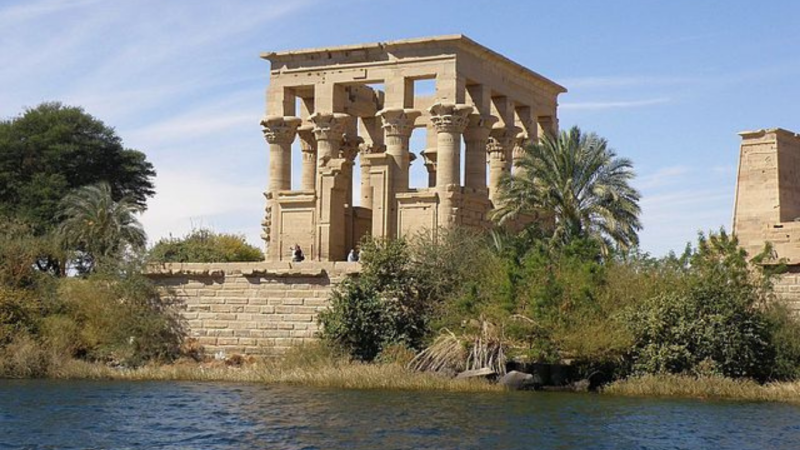
The Temple of Philae is an ancient gem that has captivated travelers for centuries. Nestled on the serene Agilkia Island in the Nile River, this iconic site is more than just a collection of ruins; it is a window into Egypt's fascinating religious and cultural heritage. Whether you're a history enthusiast or simply seeking a unique travel experience, this guide will immerse you in everything you need to know about exploring the magnificent Temple of Philae.
The Ancient History of the Temple of Philae
The story of the Temple of Philae begins as far back as 380 BC, during the reign of Nectanebo I in Egypt's Late Period. Dedicated primarily to Isis, the goddess of magic, motherhood, and fertility, the temple was an essential religious hub for worshippers in ancient times.
However, the legacy of Philae does not lie solely in its original grandeur but also in its incredible relocation. During the 1960s, the construction of the High Dam in Aswan threatened to submerge the temple under the water of Lake Nasser. In a massive international effort led by UNESCO, the entire temple was meticulously dismantled and reconstructed on Agilkia Island. This relocation preserved Philae’s place in history and allowed future generations to experience its treasures firsthand.
Unique Architectural Beauty
Walking through the Temple of Philae is like stepping into a different time. The temple complex is a stunning blend of Ptolemaic and Roman architectural styles, reflecting the changing ruling powers during its construction.
Some key features to marvel at during your visit are:
- The First Pylon: A grand entrance that towers over visitors with intricate carvings depicting the pharaoh offering sacrifices to the gods.
- The Inner Courtyard: A serene space surrounded by columns adorned with papyrus and lotus designs, symbolizing life and rebirth.
- The Sanctuary of Isis: The heart of the temple, this area was once home to the sacred barque of Isis and remains a highlight of the visit.
- The Hathor Temple: A smaller but charming temple structure dedicated to Hathor, the goddess of music, dance, and love.
Each stone in the temple tells a story, with centuries-old inscriptions and carvings revealing the rituals and events of ancient Egypt.
The Deities of Philae
The Temple of Philae is most famously associated with Isis, one of the most venerated deities in ancient Egyptian mythology. Isis was believed to protect the kingdom, heal the sick, and guide the dead to the afterlife. Her prominence made Philae a pilgrimage site for followers seeking her blessings.
Visitors may also encounter depictions of other deities, such as:
- Osiris (the god of the afterlife and resurrection), who played a central role in the mythological tale of Isis reviving him.
- Horus (their son), the falcon-headed god associated with protection and kingship.
This pantheon of gods makes the temple come alive with symbolism, reminding visitors of the deep spiritual significance it held for ancient Egyptians.
Things to Do at the Temple of Philae
Philae’s beauty extends far beyond its history and architecture. Here are some activities to enhance your visit:
- Guided Tours: Immerse yourself in the temple’s history with the help of an expert guide who can decode the hieroglyphs and explain the stories behind the temple’s carvings.
- Light and Sound Show: The temple comes alive at night with a dramatic light and sound show, transporting visitors back in time through stunning visual effects and storytelling.
- Photography: Capture the temple from different angles, especially as the golden sunlight reflects off the surrounding Nile.
- Boat Rides: The only way to reach Philae is by boat, making the short ride across the picturesque Nile an experience in itself.
How to Get There
The Temple of Philae is located near the city of Aswan in southern Egypt. Here’s how you can reach the temple:
- By Plane: Fly into the Aswan International Airport, which is well-connected to major cities in Egypt.
- By Train: Take a scenic overnight train to Aswan from Cairo, Luxor, or other nearby cities.
- By Boat: Once in Aswan, head to the Marina Philae Temple. From there, motorboats operate regularly to ferry visitors to Agilkia Island.
Local guides are often readily available at the marina to ensure a smooth trip, so there's no need to worry about navigating the waters yourself.
Best Time to Visit
Timing can make a significant difference in your experience of the Temple of Philae. Here’s when we recommend planning your visit:
- Months: The best time to visit is during the cooler months, from October to April. Egypt’s summer heat can be intense, particularly in the southern region of Aswan.
- Time of Day: Visit early in the morning to beat the crowds and enjoy the tranquility of the site as the sun rises over the Nile. Alternatively, attend the evening light and sound show for a completely different perspective of the temple.
No matter when you visit, the Temple of Philae promises to leave you awestruck.
Why the Temple of Philae Should Be on Your Bucket List
The Temple of Philae is more than just a historical site; it’s a testament to human ingenuity, devotion, and the enduring power of stories. From its awe-inspiring architecture to its captivating legends, each moment at Philae feels like a step back in time.
If you’re planning your next adventure to Egypt, be sure to include this sacred island temple in your itinerary. Whether you're a history buff, an adventurer, or simply a lover of stunning landscapes, Philae offers an unforgettable experience.
For more travel inspiration, curated itineraries, and expert advice, sign up for our newsletter or book a consultation with one of our travel advisors. Your cultural adventure awaits.