Real Ancient Egyptian Artifacts: Timeless Treasures That Reveal the Soul of a Civilization
Real ancient Egyptian artifacts aren't just remnants of a bygone era; they're voices echoing across millennia, whispering tales of divine kings, elaborate rituals, and a people obsessed with eternity. These timeless treasures—crafted with gold, limestone, alabaster, and faience—reveal more than artistic brilliance; they expose Egypt’s spiritual and intellectual heartbeat. Every relic, from the smallest scarab amulet to the grandest statue, carried meaning that bridged the mortal and the divine. The ancient Egyptians believed objects held power, ensuring their afterlife journeys were as opulent as their reigns on Earth.
Visitors walking through The Egyptian Museum Of Cairo or exploring the tombs of the Valley of the Kings experience firsthand the extraordinary craftsmanship and mystical significance behind these masterpieces. The intricate carvings, hieroglyphic inscriptions, and precious inlays found in these artifacts demonstrate a culture that balanced science, art, and faith with breathtaking precision. Whether uncovered in royal tombs or temple ruins, each discovery unravels another thread in Egypt’s grand historical tapestry—inviting modern explorers to step back into the world where gods walked among pharaohs.
Ancient Egyptian Funerary Artifacts: The Eternal Guardians of the Afterlife
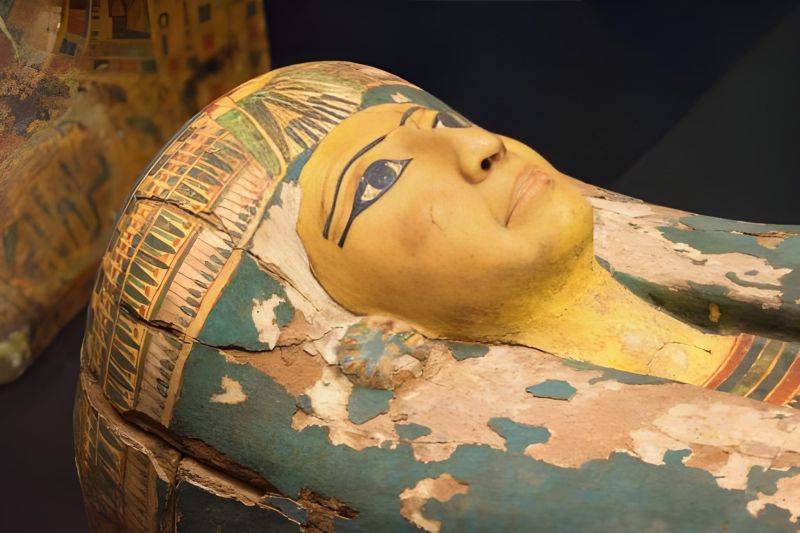
Among the most iconic real ancient Egyptian artifacts are funerary objects, intimately tied to the civilization’s complex beliefs about life after death. The ancient Egyptians viewed death not as an end but a transformation. Tombs were stocked with everything a soul might need: canopic jars for preserving organs, shabti figurines to perform labor in the next world, and golden masks to protect and identify the departed. Perhaps the most famous of these is the mask of Tutankhamun, a dazzling symbol of immortality that has captivated historians and travelers alike since its discovery in 1922.
Each funerary artifact reflected profound spiritual symbolism. The scarab beetle, representing rebirth, adorned jewelry and sarcophagi alike. The ankh symbol—emblem of eternal life—was etched into amulets placed upon mummified bodies. Those lucky enough to witness these objects during Egypt Nile Cruises or guided museum tours often find themselves astonished by their intricate artistry and deep religious purpose. These artifacts were not mere decoration but part of a carefully orchestrated journey into eternity.
Statues and Stelae: Portraits of Power and Devotion
Real ancient Egyptian statues and stelae served as eternal vessels for the spirits of gods, kings, and commoners. Crafted primarily from limestone, granite, and basalt, these works embody the precision and grandeur for which Egyptian art is renowned. Statues of deities like Anubis, Isis, and Osiris stood guard in temples, ensuring divine protection—a theme explored deeply in the mythic tales of The Legend Of Osiris And Isis. Meanwhile, colossal sculptures such as the Statue of Ramses II projected royal divinity, merging human and godly attributes to reinforce Pharaoh’s link with the heavens.
Stelae, carved stone slabs inscribed with prayers and decrees, were equally vital. They immortalized victories, offerings, and celestial dedications, often placed within tombs or temple courtyards. The artistry of these monuments reflects Egypt’s mastery of visual storytelling, where every line and hieroglyphic symbol carried sacred resonance.
Jewelry and Cosmetics: The Artifacts of Beauty and Power
Jewelry was more than adornment in ancient Egypt—it was protection, identity, and status symbol rolled into one. Crafted with gold, lapis lazuli, carnelian, and turquoise, necklaces, bracelets, and pectorals showcased not only opulence but also spiritual meaning. Each gemstone was chosen for its magical properties; gold symbolized divine flesh, while blue lapis invoked the heavens. Ancient Egyptian cosmetics, often made from galena and malachite, were tools of both beauty and ritual protection, as detailed in Ancient Egyptian Makeup.
Even the simplest cosmetic palettes and kohl pots found in tombs display remarkable craftsmanship. These elegant items reveal that Egyptians treated self-presentation as a sacred duty—one seamlessly blending aesthetics and faith. Today, visitors exploring these artifacts gain insight into how personal beauty rituals once symbolized divine harmony and social order.
Tools and Everyday Artifacts: The Soul of Ancient Daily Life
While royal treasures dominate headlines, real ancient Egyptian artifacts from daily life provide equally valuable glimpses into the civilization’s rhythm. Pottery used for storing grain, reed pens for writing hieroglyphs, and intricately carved wooden furniture all tell of a society both practical and elegant. These everyday items, unearthed during meticulous excavations, narrate stories of artisans, farmers, and scribes who formed Egypt’s backbone. Some tools even display evidence of advanced engineering, hinting at the same ingenuity behind the construction of monumental structures described in Why Did The Egyptians Build Pyramids.
Travelers immersed in Egypt Day Tours often encounter these relics in situ, where every shard or chisel mark seems frozen in time—preserving the human touch that made ancient Egypt an enduring marvel.
Temples and Tomb Artifacts: Sacred Spaces of Glory
Temples were the stage upon which divine worship unfolded, and their artifacts reflect that sacred purpose. Offering tables, alabaster vessels, and ritual statues filled these sanctuaries, serving as conduits between mortals and gods. Tomb artifacts, meanwhile, were designed to ensure eternal comfort. Excavations at sites like Luxor, Aswan, and Saqqara continue to unearth treasures that redefine our understanding of Egypt’s architectural and spiritual sophistication. A journey through these historic sites—especially during Luxor Day Tours or Aswan Day Tours—offers travelers a front-row seat to millennia-old wonders preserved in dazzling detail.
The Preservation of Real Ancient Egyptian Artifacts
Modern conservation efforts in Egypt have reached new heights. The National Museum Of Egyptian Civilization now safeguards thousands of priceless relics, ensuring their survival for future generations. Cutting-edge technology allows archaeologists to analyze pigments, materials, and inscriptions without damaging the artifacts. These advances have breathed new life into Egyptology, revealing previously unseen details about craftsmanship, trade, and belief systems.
Yet, preserving real ancient Egyptian artifacts isn't just about science—it’s about honoring a heritage that continues to inspire art, architecture, and spirituality worldwide. Each discovery adds another layer to the rich narrative that defines Egypt’s cultural identity.
Where to See Real Ancient Egyptian Artifacts Today
Travelers seeking to witness Egypt’s legacy firsthand can explore remarkable collections in Cairo, Luxor, and Alexandria. The Egyptian Museum in Cairo houses iconic treasures like Tutankhamun’s mask, while the Luxor Museum showcases masterpieces unearthed from local temples. Adventurers embarking on Egypt Travel Packages or Luxury Nile Cruises can pair historical exploration with breathtaking scenery along the timeless Nile River. Each site, from Giza City to the temples of Karnak, stands as a living museum preserving Egypt’s unmatched grandeur.
Frequently Asked Questions About Real Ancient Egyptian Artifacts
What materials were commonly used in ancient Egyptian artifacts?
Ancient Egyptians used gold, copper, alabaster, limestone, wood, and faience to craft their artifacts. These materials were chosen not only for beauty but also for symbolic and spiritual reasons. Gold represented divine immortality, while faience embodied rebirth and protection.
Where can I see real ancient Egyptian artifacts today?
The best places to view authentic artifacts are the Egyptian Museum in Cairo, the National Museum Of Egyptian Civilization, and the Luxor Museum. Many travelers also enjoy immersive experiences through curated Egypt Day Tours that include visits to ancient temples and archaeological sites.
What is the most famous ancient Egyptian artifact ever discovered?
The golden funerary mask of Pharaoh Tutankhamun remains the most renowned artifact from ancient Egypt. Discovered in 1922 by Howard Carter, it symbolizes the civilization’s artistic mastery and reverence for the afterlife.
How were ancient Egyptian artifacts preserved for thousands of years?
Egypt’s dry desert climate played a crucial role in preserving artifacts. Additionally, the meticulous craftsmanship and sealed tombs protected treasures from decay. Modern conservation techniques now ensure their continued survival and study.
Why are real ancient Egyptian artifacts so important for modern archaeology?
These artifacts provide invaluable insights into Egypt’s religion, technology, economy, and daily life. They help archaeologists decode hieroglyphs, understand ancient rituals, and trace cultural exchanges that shaped human civilization.
Conclusion: The Living Legacy of Real Egyptian Artifacts
Real ancient Egyptian artifacts are more than museum pieces—they’re eternal echoes of a civilization that defined grandeur, spirituality, and innovation. From golden masks to humble pottery shards, each object reflects Egypt’s quest for immortality. Exploring them in person—through tailored Luxury Egypt Tours or curated expeditions—invites travelers to step inside history itself. These relics continue to fascinate, educate, and ignite imagination, ensuring that the spirit of ancient Egypt will never fade into the sands of time.
Related reading: The Mystery of the Sabu Disk