The Timeless Beauty of Ancient Egyptian Makeup: Secrets, Symbolism, and Science
Ancient Egyptian makeup has captivated historians, archaeologists, and beauty enthusiasts for centuries. Beyond aesthetics, cosmetics in ancient Egypt carried deep spiritual significance and even medicinal properties. Both men and women adorned their faces with intricate pigments, using makeup as a symbol of divine protection, wealth, and social status. The art of cosmetics intertwined religion, health, and beauty, making it an essential part of daily life and rituals. From the vibrant green of malachite to the dramatic black lines of kohl, every shade and stroke told a story about the wearer’s beliefs, rank, and identity.
Cosmetic practices in ancient Egypt date back over 6,000 years, evolving alongside the civilization’s cultural and spiritual development. Makeup was not merely vanity—it was an act of devotion to the gods. Egyptians believed that beautifying oneself mirrored divine perfection. The use of minerals and natural ingredients also protected them from the harsh desert sun and common eye infections. When exploring the ancient temples and tombs of Luxor Day Tours or the treasures inside The Egyptian Museum Of Cairo, one can witness the lasting legacy of these beauty traditions that shaped not only Egyptian identity but the global concept of glamour.
The Symbolism Behind Ancient Egyptian Makeup
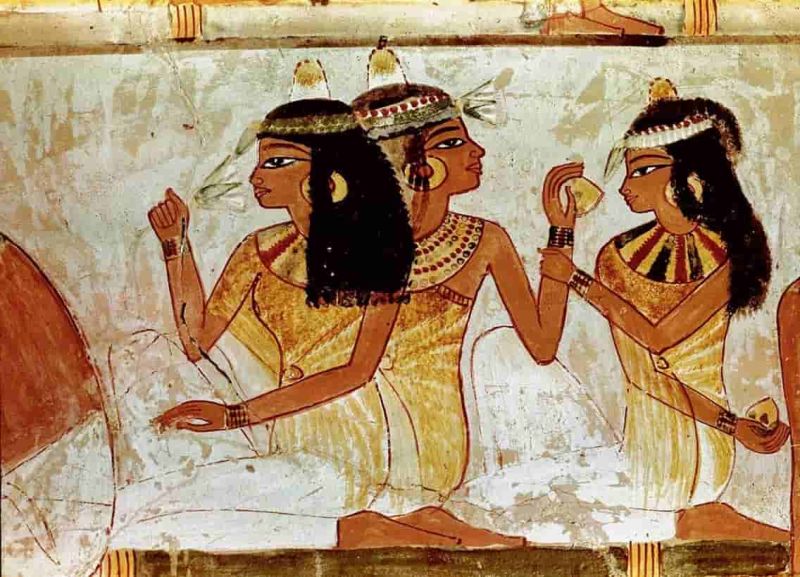
Makeup in ancient Egypt wasn’t just about enhancing physical appearance—it was steeped in symbolism and religious meaning. The Egyptians associated beauty with holiness and divine order. Kohl, made from galena (a natural lead sulfide), was worn around the eyes to emulate the protective power of the god Horus. This iconic black eyeliner symbolized the “Eye of Horus,” a sacred emblem representing healing, protection, and royal authority.
Green malachite, commonly used as eye shadow, symbolized fertility and rebirth, connecting wearers with the god Osiris. Red ochre, applied to lips and cheeks, reflected vitality and divine energy. This deep connection between makeup and spirituality highlights how cosmetics transcended gender and class barriers. Even commoners could invoke divine blessings by using simpler versions of the elite’s cosmetic formulas. Visitors joining Luxury Egypt Tours often marvel at how these pigments still appear vibrant on millennia-old statues and tomb paintings.
Ingredients and Materials Used in Ancient Egyptian Cosmetics
Ancient Egyptian makeup artisans were among the first chemists in history. They experimented with minerals, oils, and natural resins to create vibrant and long-lasting pigments. Black kohl was derived from galena, while green pigments came from crushed malachite. Red and yellow ochres, sourced from the desert, added warmth to complexions. Beeswax, animal fats, and oils were common bases for creams and perfumes, ensuring smooth application and skin nourishment.
Many ingredients served dual purposes—both aesthetic and medicinal. The antibacterial properties of lead-based kohl, for instance, helped prevent eye infections caused by desert dust. Researchers have found evidence that these compounds stimulated nitric oxide production, strengthening immunity. The cosmetic palettes displayed in ancient tombs, often made of alabaster or stone, reveal the Egyptians’ commitment to precision, luxury, and ritual. Whether observed during an Egypt Nile Cruises journey or inside the tombs at Giza City, these artifacts speak volumes about their scientific mastery.
Cosmetic Rituals in Daily Life and Religion
Cosmetic application was a daily ritual, much like prayer or bathing. Both men and women began their day by cleansing their faces with natron—a natural salt—before applying makeup. For the elite, servants meticulously prepared cosmetic mixtures stored in ornate jars. Cosmetics also played a vital role in religious ceremonies and funerary practices. Priests painted their eyes before rituals to invoke divine sight, while mummies were adorned with makeup to ensure eternal beauty in the afterlife.
Archaeological evidence from tombs and papyri shows that beauty routines were often accompanied by hymns and invocations to the gods. This reflects how deeply makeup was woven into the Egyptian worldview, blending hygiene, health, and holiness. Travelers exploring The Nile River or the splendid structures of Citadel Of Salah El-Din can appreciate how these sacred customs shaped artistic and spiritual life.
Cosmetic Tools and Containers: Symbols of Status and Artistry
The Egyptians treated cosmetic tools like sacred treasures. Palettes, jars, and applicators were crafted from precious materials such as alabaster, ivory, and gold. The designs were often inscribed with protective hieroglyphs or shaped into symbolic forms—fish, lotus flowers, or sacred animals. These containers weren’t merely functional; they reflected wealth, taste, and reverence for beauty.
In royal tombs, elaborate cosmetic boxes have been discovered, packed with jars of pigment, applicators, and mirrors polished to perfection. Some of these mirrors were engraved with prayers to Hathor, the goddess of love and beauty. These artifacts remain among the most admired exhibits in Cairo’s museums, representing a perfect blend of artistry and spirituality. Anyone on Best Egypt Vacation Packages can witness how makeup tools served as both luxury items and protective talismans.
The Role of Gender and Social Class in Makeup Use
Contrary to modern assumptions, makeup in ancient Egypt was unisex. Pharaohs, priests, and soldiers wore eye paint as both a fashion statement and a form of divine defense. Social status, however, determined the quality and variety of cosmetics used. Nobles had access to rare minerals and imported resins, while commoners relied on locally sourced ingredients. Despite these differences, the ritual of beautification was universal—a way of honoring the gods and expressing self-respect.
Even children were introduced to cosmetic traditions early, symbolizing purity and divine connection. Makeup also served as protection against the blazing desert sun, an essential health measure as much as a cultural one. Observing remnants of these practices during Cairo Day Tours reveals how deeply cosmetics were rooted in every layer of Egyptian society.
Perfumes and Oils: The Fragrant Side of Ancient Egyptian Beauty
Perfume and makeup went hand in hand in ancient Egypt. Fragrant oils such as myrrh, frankincense, and lotus were used not only for scent but also for skincare. These aromatic concoctions were believed to attract divine favor and heal the body. The use of perfumes was so widespread that workshops dedicated to their production flourished along the Nile.
Perfumes were stored in delicate glass or alabaster bottles, some of which remain beautifully preserved. They were applied during religious ceremonies, banquets, and burial rituals. The Egyptians’ love for fragrance influenced later cultures, spreading through trade routes to Greece and Rome. Exploring the collections at The National Museum Of Egyptian Civilization offers insights into the luxurious world of ancient Egyptian perfumery.
The Legacy of Ancient Egyptian Makeup in Modern Beauty
The influence of ancient Egyptian makeup extends far beyond antiquity. Modern eyeliners, mascaras, and skin treatments owe much to Egyptian innovation. The iconic cat-eye look, inspired by Cleopatra and Nefertiti, remains a timeless emblem of power and allure. Contemporary cosmetic brands often draw from Egyptian motifs, recognizing the civilization’s pioneering role in personal care and aesthetic artistry.
Visiting Egypt today, especially through curated Egypt Private Tours, allows travelers to connect with this heritage firsthand. From the tomb murals of the Valley of the Kings to the treasures displayed in Cairo, the enduring beauty of ancient Egyptian makeup continues to inspire creativity and admiration worldwide.
FAQs About Ancient Egyptian Makeup
1. Why did ancient Egyptians wear makeup every day?
Ancient Egyptians believed makeup had protective and spiritual powers. Kohl shielded their eyes from the sun and infections, while pigments like malachite connected them with divine forces. Wearing makeup daily was a ritual of purification and devotion, not merely vanity.
2. What was kohl made of in ancient Egypt?
Kohl, the signature black eyeliner, was made from galena (lead sulfide) or stibnite. These minerals were ground into fine powder and mixed with oils or animal fats. The resulting paste was used to outline the eyes, offering both aesthetic charm and medicinal benefits.
3. Did men in ancient Egypt also use makeup?
Yes, makeup was worn by both men and women. Male pharaohs, priests, and officials painted their eyes to symbolize strength, divine favor, and protection. It was also a sign of discipline and refinement, reflecting their connection with the gods.
4. Were ancient Egyptian cosmetics safe?
While some ingredients contained lead, studies show Egyptians formulated them in ways that minimized toxicity. In fact, certain compounds stimulated immune responses, making the cosmetics surprisingly beneficial when used in moderation.
5. How can we see ancient Egyptian makeup today?
Ancient makeup and tools can be viewed in museums such as The Egyptian Museum Of Cairo and The National Museum Of Egyptian Civilization. Travelers can also admire painted tombs in Luxor and the Valley of the Queens, where makeup remains vividly visible on statues and wall art.