The Anubis Symbol: Decoding the Ancient Egyptian God of the Afterlife
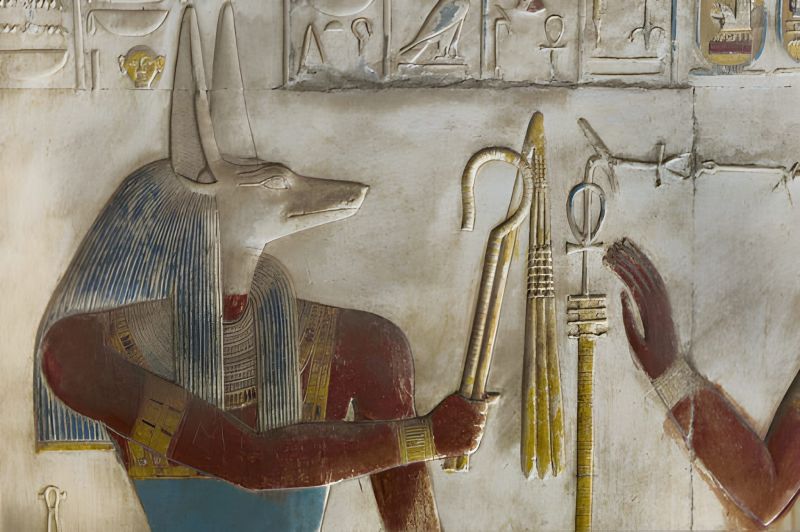
The Anubis Symbol stands as one of the most powerful emblems in ancient Egyptian mythology—an iconic representation of protection, preservation, and divine judgment. The jackal-headed god Anubis was deeply intertwined with death, mummification, and the eternal journey of the soul. His image, half-human and half-jackal, symbolized the thin veil between life and death, the known and the mysterious. For thousands of years, Egyptians invoked the Anubis Symbol during burial rituals, believing it guided souls through the underworld. The presence of this symbol on tomb walls, sarcophagi, and funerary amulets revealed not only reverence for the deity but also a profound understanding of cosmic balance and spiritual purification.
When exploring Egypt’s ancient wonders through Cairo Day Tours or the timeless allure of the Nile River, the powerful imagery of Anubis frequently emerges. This symbol remains a cornerstone in ancient Egyptian art and religion, often linked with Osiris—the god of resurrection—and the intricate process of mummification. The fascination with the Anubis Symbol extends beyond archaeology and mythology; it captivates modern minds with its mystique, balance, and deep spiritual meaning.
Origins and Mythological Background of the Anubis Symbol
The origins of the Anubis Symbol trace back to Egypt’s Early Dynastic Period, long before Osiris rose in prominence. Initially known as Inpu or Anpu, Anubis was believed to be the son of Nephthys and Seth, later reinterpreted as the child of Osiris and Nephthys. This shift reflected the evolving beliefs of the afterlife. The jackal, often seen wandering cemeteries at night, became a natural representation of a deity guarding the dead from desecration.
The Anubis Symbol embodies his dual nature—both fierce protector and compassionate guide. In funerary scenes, Anubis presides over the ‘Weighing of the Heart’ ceremony, ensuring that only the righteous enter the Field of Reeds. This judgment ritual, paired with the image of the scales, became one of the most recognized aspects of Egyptian theology. Visitors who join Luxury Egypt Tours often encounter depictions of Anubis in temples and tombs, where his symbol adorns sacred walls with striking detail.
The Design and Iconography of the Anubis Symbol
The Anubis Symbol commonly features a sleek black jackal or a hybrid figure with a human body and jackal’s head. The color black isn’t random—it signifies regeneration, fertility, and the rich soil of the Nile. Black also represented the divine power of rebirth, fitting for a god associated with eternal life. His upright ears symbolize vigilance, while his elongated snout conveys spiritual sensitivity, sniffing out the purity of souls. The Anubis Symbol also includes elements like the flail, the ankh, and the scales—each reinforcing justice, immortality, and divine authority.
During the Middle and New Kingdoms, artists refined the details of the Anubis Symbol, emphasizing its role as a guardian of the soul. Temples in places like Giza City and Thebes reveal countless artifacts where this sacred symbol ensures the protection of the dead. Even today, scholars studying the National Museum of Egyptian Civilization note that the intricacy of the Anubis imagery highlights Egyptian devotion to order and spiritual transition.
The Symbolic Meaning of Anubis in Ancient Egyptian Religion
At its core, the Anubis Symbol represents the ultimate guide through the afterlife. It embodies protection, purity, and transformation. Egyptians believed that invoking Anubis ensured safe passage in Duat—the realm of the dead. His symbol was carved on amulets placed within mummies as a means of divine safeguarding. Beyond its funerary purpose, the Anubis Symbol also conveyed moral integrity. The phrase “as light as a feather” from the heart-weighing ritual perfectly captured Egyptian ethics—truth, justice, and balance.
Those exploring ancient tombs on Luxor Day Tours can observe how Anubis occupies a central position beside Osiris. The balance of life, death, and resurrection mirrors the ebb and flow of the Egypt Nile Cruises journey—eternal, rhythmic, and vital to Egypt’s spiritual identity.
Anubis Symbol in Modern Culture and Contemporary Interpretation
Today, the Anubis Symbol continues to inspire modern design, tattoos, and jewelry, symbolizing protection, mystery, and enlightenment. Historians and travelers alike see it as a bridge between ancient spirituality and modern consciousness. The symbol’s timeless resonance echoes in art, film, and fashion—reflecting humankind’s ongoing fascination with the afterlife.
For those exploring Egyptian heritage through Best Egypt Vacation Packages or embarking on Egypt Adventure Tours, the Anubis Symbol remains a captivating reminder of Egypt’s spiritual sophistication. It merges the sacred with the tangible, the present with the eternal.
The Spiritual and Protective Power of the Anubis Symbol
The Anubis Symbol held tremendous power as a shield against evil forces. Tomb inscriptions revealed that priests invoked Anubis to cleanse the deceased, ensuring the body’s purity before mummification. The presence of his emblem in funerary masks, gold amulets, and sarcophagi underscored his role as the ultimate protector. In modern metaphysical practices, the Anubis Symbol still serves as a talisman for courage, balance, and transformation.
During the reign of the pharaohs documented in the Egypt 19th Dynasty, Anubis’s image became even more revered, appearing beside royal figures in burial chambers. His watchful eyes were believed to guard both kings and commoners alike through the perilous path beyond death.
Archaeological Discoveries Featuring the Anubis Symbol
Excavations across the Valley of the Kings and Saqqara continuously reveal relics adorned with the Anubis Symbol. Statues, funerary paintings, and canopic jars all bear his likeness. One of the most stunning artifacts is the Anubis Shrine found in Tutankhamun’s tomb, where a black jackal rests majestically atop a gilded shrine. This artifact perfectly embodies the deity’s vigilant nature and protective essence.
Travelers can see similar treasures at The Egyptian Museum Of Cairo, which houses exquisite examples of Anubis-related relics. Every piece tells a story of devotion, transformation, and divine order that has transcended millennia.
Connection Between Anubis and the Process of Mummification
The Anubis Symbol’s prominence in mummification rituals is undeniable. Priests wearing Anubis masks conducted the sacred embalming process, invoking the deity’s blessing for preservation. The god was believed to oversee every stage—from purification to wrapping—ensuring the deceased’s spirit was ready for the next life. His symbol adorned the walls of embalming rooms, guiding priests in the sacred art of eternal preservation.
The intricate process, also detailed in sources like What Are The 7 Steps Of Mummification?, emphasizes why the Anubis Symbol was so vital in ensuring both physical and spiritual immortality.
FAQs About the Anubis Symbol
What does the Anubis Symbol represent?
The Anubis Symbol represents protection, transition, and the power to guide souls through the afterlife. It embodies divine justice, purity, and the eternal bond between life and death.
Why is Anubis depicted with a jackal’s head?
The jackal head symbolizes the guardian role of Anubis. Jackals were often seen near cemeteries, so ancient Egyptians associated them with protection from grave robbers and spiritual corruption.
What color is associated with the Anubis Symbol, and why?
Black is the primary color of the Anubis Symbol, symbolizing fertility, rebirth, and the life-giving soil of the Nile. It also represents the transformative power of death leading to eternal life.
Where can travelers see the Anubis Symbol in Egypt?
Visitors can witness the Anubis Symbol in tombs across Luxor, at the Valley of the Kings, and in museums like The National Museum of Egyptian Civilization and The Egyptian Museum of Cairo.
What is the significance of the Anubis Symbol in modern spirituality?
In modern spirituality, the Anubis Symbol represents transformation, protection, and balance. It's often used as a talisman for guidance during life changes and as a reminder of moral integrity and inner strength.
Related reading: Ancient Egyptian Animal Art