
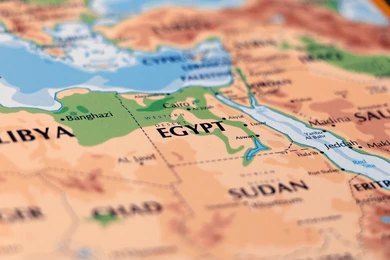
How Is the Climate in Egypt? Discover the Weather Patterns of the Land of the Pharaohs
Egypt, the cradle of ancient civilization, offers far more than grand pyramids, timeless temples, and majestic deserts—it also boasts one of the world’s most unique climates. The Egyptian climate, largely shaped by its desert geography, is marked by long, hot summers and short, mild winters. With minimal rainfall, abundant sunshine, and vast differences between day and night temperatures, Egypt’s weather plays a vital role in its culture, lifestyle, and tourism industry. Travelers planning Egypt Travel Packages often wonder when the best time to visit is, as the climate dramatically influences travel experiences from the Nile Valley to the Red Sea coast.
Stretching from the Mediterranean shores of Alexandria to the golden dunes of Aswan, Egypt’s climate varies slightly across regions but remains predominantly dry. The country enjoys over 3,000 hours of sunshine annually, making it one of the sunniest destinations on Earth. While summer temperatures in Upper Egypt can soar above 40°C (104°F), coastal cities like Alexandria and Hurghada enjoy cooler breezes thanks to their proximity to water. Understanding these climatic nuances helps visitors choose the ideal time for Egypt Nile Cruises or exciting Egypt Day Tours without being caught off-guard by the heat.
Egypt’s Desert Climate: Hot Days and Cool Nights
Egypt’s climate is primarily classified as a hot desert climate under the Köppen system. This means that the weather is generally scorching during the day and significantly cooler at night due to the lack of humidity. The climate differs slightly between the northern and southern parts of the country. Northern Egypt, including Cairo and the Nile Delta, experiences milder conditions, while southern cities like Luxor and Aswan are much hotter and drier.
For adventurers planning Egypt Adventure Tours, the arid climate offers an ideal environment for exploring desert oases, ancient ruins, and hidden canyons. However, it’s essential to stay hydrated and protected from the intense sun, especially during the summer months from May to September. During this period, daytime temperatures can climb as high as 45°C (113°F) in the southern regions, while nighttime lows may drop to 20°C (68°F).
The Influence of the Nile River on Egypt’s Climate
The Nile River serves as Egypt’s lifeline, moderating temperatures and providing moisture to nearby regions. The valley surrounding the Nile tends to be slightly cooler and more humid than the surrounding desert. This natural climate buffer has made the area fertile and habitable for thousands of years. Villages along the riverbanks thrive because the microclimate supports agriculture, while large cities like Cairo and Luxor benefit from the Nile’s cooling influence during hot afternoons.
Seasonal Climate Variations Across Egypt
Egypt’s climate can be divided into two main seasons—summer (May to October) and winter (November to April). Summers are intensely hot, while winters are pleasantly warm and perfect for sightseeing. During winter, average daytime temperatures range between 20°C and 25°C (68°F to 77°F), with cooler nights that may drop below 10°C (50°F). This makes winter the best season for outdoor activities and Luxury Nile Cruises.
In coastal regions like Alexandria, the Mediterranean influence brings mild, humid winters and a few rainy days, making it unique compared to the rest of Egypt. On the other hand, desert destinations like Siwa Oasis or the Eastern Desert remain extremely dry year-round, offering clear skies perfect for stargazing.
The Khamsin Wind: Egypt’s Seasonal Phenomenon
One notable feature of Egypt’s climate is the Khamsin wind, a hot, dry, and dusty wind that blows across the country typically between March and May. It originates from the Sahara Desert and can raise temperatures by 20°C (36°F) within hours while reducing visibility due to sandstorms. Although brief, Khamsin winds can affect travel plans, especially for those on Cairo Day Tours or exploring outdoor attractions like the El Moez Street or the Citadel Of Salah El-Din.
Regional Climate Breakdown: From Cairo to Aswan
Cairo and the Nile Delta: The capital experiences a semi-arid climate, with hot summers and mild winters. Average summer highs hover around 35°C (95°F), while winter offers comfortable days near 20°C (68°F). The city rarely receives rain, averaging less than 30 mm annually.
Luxor and Aswan: In Upper Egypt, the climate is much hotter and drier. These regions are ideal for warm-weather lovers visiting ancient temples or enjoying Luxor Day Tours. Summer temperatures can exceed 42°C (108°F), while winter remains pleasantly warm.
Red Sea Coast: Cities like Hurghada and Sharm El Sheikh feature coastal desert climates with cooler breezes and low humidity. The weather is ideal for year-round diving and beach vacations, making it a favorite for travelers booking Hurghada Day Tours.
Alexandria and the Mediterranean Coast: The northern coastal region enjoys cooler summers and wetter winters. It’s the only area in Egypt that receives significant rainfall, around 200 mm annually, mainly between December and February.
Best Time to Visit Egypt Based on Climate
The best time to visit Egypt depends on the traveler’s preferences and itinerary. For those planning Luxury Egypt Tours, the ideal season is between October and April. The weather during this period is mild and comfortable, creating perfect conditions for sightseeing, desert safaris, and exploring historical landmarks like the temples of Luxor and Abu Simbel.
Conversely, if you’re seeking a relaxing Red Sea getaway or luxurious cruising experience, summer can still be enjoyable thanks to the cooling sea breezes. Beach resorts remain vibrant year-round, offering water sports, snorkeling, and wellness retreats that attract both local and international visitors.
Climate’s Impact on Tourism and Lifestyle in Egypt
Egypt’s climate influences not only its tourism but also its architecture, transportation, and daily life. Traditional homes in desert regions are built with thick walls and small windows to minimize heat, while modern developments increasingly integrate sustainable designs to cope with rising temperatures. The dry weather ensures well-preserved monuments, contributing to Egypt’s global renown for ancient heritage and archaeological sites.
Many tourists align their trips around the climate, enjoying mild-weather excursions like Best Egypt Vacation Packages or private historical explorations that span from Cairo to Luxor. Even with the heat, Egypt’s captivating atmosphere continues to allure millions each year.
FAQs About the Climate in Egypt
1. What is the average temperature in Egypt throughout the year?
The average annual temperature in Egypt ranges between 20°C and 38°C (68°F–100°F), with cooler winters and extremely hot summers. Coastal regions experience milder weather, while the southern desert areas can see peaks above 45°C (113°F).
2. Does it ever rain in Egypt?
Rainfall in Egypt is minimal, averaging less than 100 mm annually across most regions. Alexandria and the northern coast receive more rain, particularly during winter, while the southern deserts may go years without a single drop.
3. What is the best month to visit Egypt for sightseeing?
The best time for sightseeing is between November and March when temperatures are comfortable and skies are clear. This period is ideal for exploring the Pyramids, temples, and embarking on Best Nile River Cruises.
4. How does the climate affect travel plans in Egypt?
Summer’s extreme heat may limit outdoor exploration, especially in Upper Egypt, while winter offers mild conditions perfect for cultural tours. Travelers should schedule desert activities and archaeological visits early in the morning or late in the afternoon.
5. Is Egypt suitable for year-round travel?
Absolutely! Thanks to its dry, sunny climate, Egypt remains a year-round destination. While summers are hot, coastal areas and Nile cruises provide comfortable escapes, and winter months deliver perfect conditions for exploring Egypt’s rich history and landscapes.