Education in Ancient Egypt: A Deep Dive into the Foundations of Knowledge Along the Nile
Education in Ancient Egypt wasn’t merely about reading and writing; it was a sophisticated system that shaped one of the world’s oldest civilizations. From the towering temples of Thebes to the bustling streets of Cairo City, knowledge was revered as a divine gift, backed by an intricate network of schools, scribes, and temple institutions. The ancient Egyptians believed education was the cornerstone of order, prosperity, and moral balance — values deeply rooted in the concept of Ma’at, or cosmic harmony.
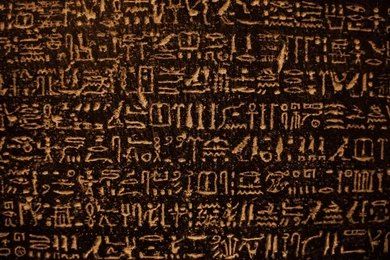
While education was initially reserved for the elite, particularly the sons of noblemen and priests, it evolved over time to include a broader segment of society. The curriculum included writing, mathematics, literature, religious studies, and administration — essential skills that maintained Egypt’s powerful economy and governance. The art of writing, embodied in the elegant hieroglyphic script, became the ultimate mark of status, granting educated individuals positions in the royal bureaucracy. The scribal schools, often attached to temples, served as the intellectual hubs of the empire, ensuring that every decree, tax record, and sacred hymn was meticulously documented. Through education, Egypt built the foundation for its longevity, influencing later civilizations across the Mediterranean and beyond.
The Structure of Education in Ancient Egypt
The educational system in Ancient Egypt was highly organized, reflecting the social hierarchy of the time. Education primarily took place in ‘Houses of Instruction’ or temple schools, often situated near major religious centers like The Egyptian Museum Of Cairo showcases. Boys from affluent families were trained to become scribes, priests, or government officials, while girls typically learned household management and weaving at home.
Teachers, usually high-ranking scribes or priests, demanded discipline and perfection. Students often copied texts repeatedly on clay tablets or shards of limestone, known as ostraca, to perfect their hieratic handwriting. Lessons began early in the morning, focusing on reading, writing, arithmetic, and moral behavior — an education designed to instill loyalty to the Pharaoh and devotion to the gods. For those destined for temple service, education also included religious rituals, astronomy, and medicine — fields in which Egypt excelled for millennia.
The Role of Scribes: Keepers of Knowledge
Scribes formed the intellectual backbone of Ancient Egypt. Trained from a young age, they mastered the complex hieroglyphic and hieratic scripts, and their roles were indispensable in managing the empire. They recorded agricultural yields, tax collections, legal proceedings, and royal decrees. Without scribes, Egypt’s economy and administration would have collapsed.
The prestige of becoming a scribe was immense. In an era where literacy was rare, scribes enjoyed privileges such as social mobility and exemption from physical labor. Some even served within the royal court, advising Pharaohs and high officials. Tomb paintings and papyri such as those from the 19th dynasty (Egypt 19th Dynasty) depict scribes as respected figures wearing clean linen and carrying writing kits — symbols of intellect and authority.
Curriculum and Teaching Materials in Ancient Egyptian Schools
The curriculum in Ancient Egypt was rigorous. Students began by learning to read and write using the hieratic script before advancing to hieroglyphs, the sacred writing system used on monuments and religious texts. Arithmetic lessons were equally vital, focusing on fractions, measurements, and geometry — skills essential for engineering feats such as pyramid construction and Nile irrigation systems.
Texts included wisdom literature, instructional texts, and moral proverbs. One famous example, “The Instruction of Ptahhotep,” offered guidance on ethics, humility, and leadership. Schools also emphasized moral education, urging students to obey superiors and respect traditions. The combination of intellectual and ethical formation made Egyptian education one of the most holistic systems of the ancient world.
Education and Religion: A Sacred Connection
Religion permeated every aspect of Egyptian life, and education was no exception. Temples served as both spiritual and scholarly centers. Priests, often the educators, used their knowledge of astronomy, medicine, and theology to train new initiates. The study of religious texts, hymns, and rituals ensured that sacred traditions passed down unchanged through generations.
Temple students learned to interpret the will of the gods, maintain calendars, and perform purification ceremonies — all vital for preserving divine order. This interweaving of religion and learning shaped Egypt’s enduring cultural identity. Modern visitors exploring the Citadel Of Salah El-Din or Al Azhar Mosque can still sense echoes of this ancient reverence for sacred knowledge.
Women’s Education in Ancient Egypt
Though education in Ancient Egypt was primarily male-dominated, women weren’t entirely excluded. Elite women, especially those from priestly or noble families, often received instruction in reading and writing. Some became physicians, priestesses, or administrators in temple complexes. The well-educated Queen Hatshepsut and the learned priestess Meritamen (Who Is Meritamen?) stand as enduring examples of educated women in Egyptian history.
Archaeological evidence reveals that women could own property, conduct business, and even litigate in court — indicators of a society that, while patriarchal, still valued intellect and capability among women. Their education, though less formalized than that of men, was practical and tailored to roles in religious or domestic spheres.
Vocational and Practical Education
Beyond scribal and temple instruction, Ancient Egypt offered a range of vocational education. Apprenticeships were common, with fathers passing down skills to sons in fields like stonemasonry, metalworking, and carpentry. Agricultural knowledge was essential, given Egypt’s reliance on the fertile lands of The Nile River. Farmers taught their children how to manage irrigation systems, plant crops, and interpret seasonal changes.
Practical education ensured the survival of communities and contributed to the construction of monumental structures still admired today. The blend of intellectual and technical learning exemplified Egypt’s balance between mind and hand, wisdom and labor.
Centers of Learning: Heliopolis, Memphis, and Thebes
Heliopolis, often called the ‘City of the Sun,’ stood as a major intellectual capital, focusing on theology and astronomy. Memphis specialized in administration, while Thebes nurtured priestly scholarship. These centers became the beating heart of Egypt’s educational network, producing scholars who influenced ancient thought for centuries.
Today, travelers exploring Luxor Day Tours or Aswan Day Tours can trace the legacy of these ancient hubs, where papyrus scrolls once whispered the secrets of the cosmos.
Legacy of Ancient Egyptian Education
The educational methods of Ancient Egypt influenced Greek and Roman learning systems, laying the groundwork for classical education. Their emphasis on discipline, moral virtue, and specialized training resonates even today. The hieroglyphs carved on temple walls stand as silent teachers, echoing the brilliance of a civilization that saw knowledge as sacred.
Modern scholars and tourists exploring sites like the The National Museum Of Egyptian Civilization or Real Ancient Egyptian Artifacts continue to uncover the educational philosophies that fueled Egypt’s long-lasting influence on human progress.
Frequently Asked Questions About Education in Ancient Egypt
What subjects did children study in ancient Egyptian schools?
Students primarily studied reading, writing, mathematics, religion, and moral conduct. Advanced pupils learned geometry, law, astronomy, and medicine, depending on their social status and career path.
At what age did education begin in Ancient Egypt?
Boys typically began their education around the age of five or six. They continued training until their early teens, when they would begin working as apprentices or junior scribes in government or temple service.
Were girls allowed to attend school in Ancient Egypt?
Formal schooling was rare for girls, but daughters of nobles and priests sometimes received private instruction. Some women later became physicians, priestesses, or property managers, showing that education wasn’t entirely male-exclusive.
How important was religion in Egyptian education?
Religion played a central role. Many schools were attached to temples, where priests taught students sacred texts, rituals, and astronomy. Religious education ensured the continuation of divine and royal authority.
What tools did Egyptian students use for learning?
Students used reed pens, ink made from soot or ochre, and papyrus rolls. They also practiced writing on limestone flakes or clay tablets before progressing to more expensive materials for official documentation.