The Egypt 19th Dynasty: The Golden Age of Pharaohs and Power
The Egypt 19th Dynasty marked a turning point in the New Kingdom, a time when pharaohs reclaimed Egyptian glory through military might, monumental architecture, and diplomatic skill. Emerging around 1292 BCE, this dynasty embodied the resurgence of Egyptian dominance after the turbulence of the Amarna period. It was a time when pharaohs became global figures, temples rose higher than ever, and Egypt’s empire stretched from Nubia to the Levant. This era, filled with iconic rulers such as Seti I and Ramses II, transformed Egypt into the powerhouse of the ancient world. The 19th Dynasty captured not just political triumphs but also artistic brilliance, engineering feats, and religious devotion that echoed through millennia. Travelers exploring Egypt Travel Packages today still marvel at the colossal legacies left by these rulers, from temples in Luxor to the breathtaking monuments along the Nile.
Origins of the 19th Dynasty: The Rise of the Ramesside Line
The Egypt 19th Dynasty began under the leadership of Ramesses I, a military commander chosen by Horemheb to ensure continuity after the collapse of the 18th Dynasty. Ramesses I laid the foundation for a new royal lineage—the Ramesside family—that would dominate Egyptian politics for over a century. His brief reign set the stage for his son Seti I, one of the most capable and visionary rulers in ancient Egyptian history. Seti I’s reforms stabilized the nation, expanded military campaigns, and restored faith in the traditional gods after the religious upheavals of Akhenaten’s monotheistic experiment. Visitors who embark on Cairo Day Tours often encounter relics and inscriptions celebrating this dynasty’s rise, reflecting its commitment to divine order and national pride.
Seti I: The Architect of Restoration
Seti I was more than just a warrior king—he was a builder and a reformer. His reign, marked by elaborate temple construction and the reestablishment of Egypt’s empire, brought a cultural renaissance. His most remarkable achievement, the Temple of Abydos, stands as a testament to his devotion to the traditional pantheon and his vision for a unified Egypt. The artistic precision and symbolic reliefs there remain among the finest examples of New Kingdom craftsmanship. Those who sail on Egypt Nile Cruises often stop to admire Seti I’s architectural wonders that still line the banks of the eternal river, the lifeblood of Egyptian civilization.
Ramses II: The Great Pharaoh of the 19th Dynasty
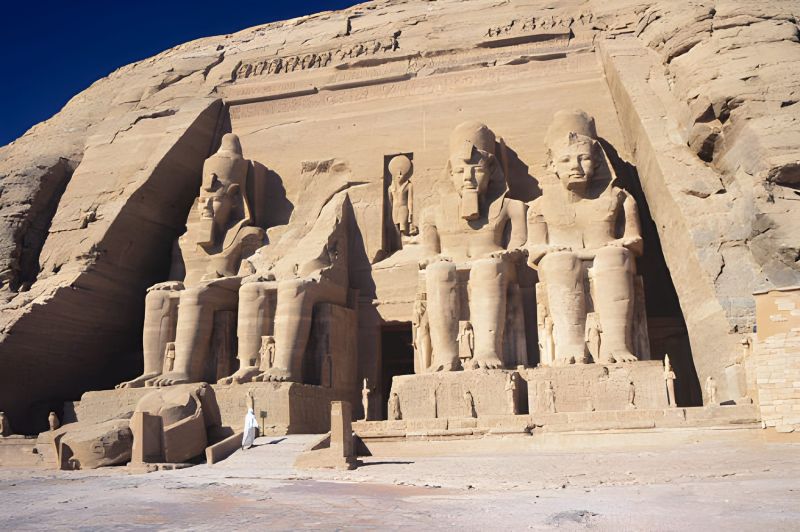
No name commands as much respect in Egyptian history as Ramses II, also known as Ramses the Great. His reign of nearly 67 years redefined pharaonic grandeur and transformed the Egyptian landscape. Determined to immortalize his legacy, Ramses II erected temples, statues, and cities that would outshine his predecessors. The magnificent Abu Simbel temples, carved into the cliffs of Nubia, stand as a monument to his power and devotion. His military campaigns, particularly the legendary Battle of Kadesh, solidified his reputation as both a warrior and diplomat. This battle led to the world’s first recorded peace treaty between Egypt and the Hittites, an achievement that still fascinates historians and travelers alike.
The Monumental Legacy of Ramses II
Ramses II’s architectural vision reshaped ancient Egypt. From the colossal statues at Abu Simbel to the Ramesseum in Thebes, his mark is etched across the landscape. His devotion to deities like Amun-Ra and his portrayal as a living god reflected the fusion of religion and monarchy. The Statue of Ramses II remains a prime example of his self-deification and artistic extravagance. Tourists exploring Luxury Nile Cruises often retrace his monumental journey along the river, witnessing firsthand the scale of his ambition that turned Egypt into an open-air museum of royal magnificence.
Diplomacy and the Peace Treaty with the Hittites
Beyond his military exploits, Ramses II demonstrated shrewd diplomacy. The peace treaty signed after years of conflict with the Hittite Empire stands as one of the earliest examples of international negotiation. This accord not only secured Egypt’s northern borders but also ushered in trade and cultural exchange. The treaty’s inscriptions remain visible in ancient temples and museums, such as those featured in The Egyptian Museum Of Cairo, revealing the advanced statecraft of the 19th Dynasty.
Art, Religion, and Architecture in the 19th Dynasty
The Egypt 19th Dynasty was a golden period of artistic rebirth. Temples were adorned with intricate carvings, hieroglyphic hymns, and statues showcasing divine kingship. The combination of bold design and spiritual symbolism reflected Egypt’s devotion to its gods and rulers. The Theban necropolis, with its richly decorated tombs, served as a canvas for religious expression and royal propaganda. As part of Luxor Day Tours, visitors can explore tombs filled with vivid depictions of the afterlife that reveal the dynasty’s profound spiritual convictions.
Religious Revival and the Cult of Amun
Reinstating the cult of Amun was a cornerstone of 19th Dynasty policy. The pharaohs' patronage of Amun’s temples, especially at Karnak, symbolized the restoration of divine harmony. The priesthood regained power, intertwining religion with governance. This religious revival reaffirmed Egypt’s identity and strengthened the monarchy’s legitimacy, ensuring the gods favored both the land and its rulers.
Engineering Marvels and Artistic Flourish
The architectural achievements of the 19th Dynasty showcase engineering mastery rarely seen in history. Colossal statues, vast pylons, and elaborate tombs demonstrated not just power but also unparalleled artistry. The tomb of Seti I in the Valley of the Kings, for instance, features some of the most detailed wall paintings ever discovered. Tourists who plan Luxury Egypt Tours often include these awe-inspiring sites, where every carving whispers stories of gods, kings, and eternity.
Decline of the 19th Dynasty: From Glory to Turbulence
Following Ramses II’s death, Egypt entered a period of decline. Successors like Merenptah and Amenmesse struggled with internal strife, economic challenges, and external threats. The once-mighty empire began to fracture as political intrigue weakened royal authority. Merenptah’s reign, however, remains notable for the ‘Israel Stele,’ one of the earliest known references to Israel in historical records. As the dynasty waned, administrative corruption and foreign invasions paved the way for the rise of the 20th Dynasty.
Legacy and Historical Significance
The Egypt 19th Dynasty left an indelible mark on history. It represented the height of Egyptian expansion, artistic excellence, and global influence. Even centuries later, Egyptologists continue to uncover treasures from this era that redefine our understanding of ancient civilization. Travelers sailing The Nile River can still witness the grandeur that once defined Egypt’s golden age. The dynasty’s architectural genius, religious devotion, and political prowess continue to inspire admiration worldwide.
Frequently Asked Questions about the Egypt 19th Dynasty
Who founded the Egypt 19th Dynasty?
The dynasty was founded by Ramesses I, a general chosen by Pharaoh Horemheb. Though his reign was brief, he established the Ramesside line that dominated Egypt for more than a century.
Why is Ramses II considered the greatest pharaoh of the 19th Dynasty?
Ramses II’s long reign, monumental architecture, and diplomatic achievements—such as the peace treaty with the Hittites—cemented his status as one of Egypt’s most powerful and enduring rulers.
What major battles occurred during the 19th Dynasty?
The most famous was the Battle of Kadesh, where Ramses II fought the Hittites. Although the battle ended in a stalemate, it led to the first recorded peace treaty in world history.
What are the most iconic monuments from the 19th Dynasty?
Notable structures include the Abu Simbel temples, the Ramesseum, and the Temple of Seti I at Abydos. These monuments remain key highlights in many Best Egypt Vacation Packages.
How did the 19th Dynasty influence Egyptian art and culture?
This era revived classical art styles, emphasizing realism, grandeur, and divine symbolism. Its influence shaped Egyptian identity for centuries and continues to inspire modern archaeological discoveries and Egypt Adventure Tours exploring ancient sites.
Related reading: Who Was Queen Meritamen? | Was Pharaoh Akhenaten the Rebel King Who Changed Egypt?