Unveiling the Mystical World of Ancient Egyptian Animal Gods
In the vibrant heart of Ancient Egypt, animals weren’t just creatures of the wild — they were divine embodiments of spiritual power, celestial symbolism, and cosmic balance. Ancient Egyptian animal gods represented every facet of life and death, from creation to resurrection. Their deities took the forms of falcons, cats, crocodiles, and jackals, each reflecting unique powers and divine attributes. Egyptians believed gods could manifest through animals, bridging the mortal and divine worlds. Temples, tombs, and sanctuaries across the Nile bore witness to this fascinating interconnection of faith and fauna, shaping a civilization obsessed with the afterlife and eternal order.
Travelers exploring sites along the Egypt Nile Cruises route still encounter carvings and inscriptions that celebrate these deities. Each symbol carved into stone, each sacred animal mummified and buried with care, offers a glimpse into the Egyptians’ quest for divine favor and protection. As we delve deeper into this captivating pantheon, we uncover the cultural, religious, and artistic essence that made Ancient Egypt one of the most spiritually advanced civilizations in human history.
The Divine Symbolism of Animals in Ancient Egyptian Religion
Animals were not merely companions or beasts of burden; they were essential messengers of divine will. The Egyptians viewed the natural world as a reflection of heavenly order, believing that gods chose animal forms to express their essence. The falcon represented the sky and kingship, the cat symbolized protection, and the crocodile embodied strength and ferocity. This sacred zoomorphism influenced everything from temple art to funerary rituals. Visitors on Egypt Travel Packages often marvel at hieroglyphs depicting deities with animal heads, each offering insight into Egypt’s spiritual complexity.
Anubis: The Jackal God of the Afterlife
Anubis, the jackal-headed god, guarded the threshold between life and death. Revered as the lord of mummification, he ensured the safe passage of souls into the afterlife. His black fur symbolized both decay and rebirth, echoing the fertile soil of the Nile. Ancient priests invoked Anubis during embalming rituals, seeking his protection to guide the deceased through the underworld. For those intrigued by symbolism, learning about the Anubis Symbol reveals layers of meaning that shaped Egyptian funerary traditions for millennia.
Bastet: The Protective Cat Goddess
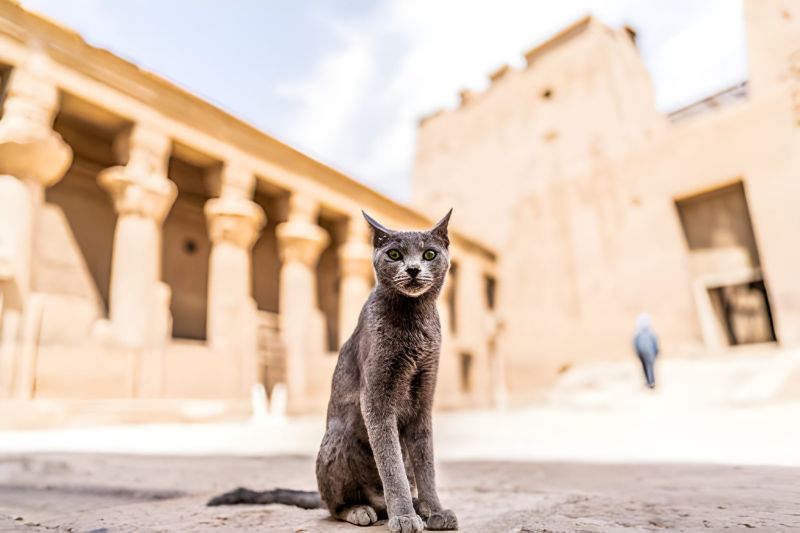
Bastet, the feline goddess, radiated warmth, protection, and maternal love. Initially depicted as a lioness, she evolved into a domestic cat, symbolizing grace and affection. Ancient Egyptians cherished cats, believing Bastet shielded homes from evil spirits. Her temples overflowed with cat mummies offered in devotion. Today, her influence endures, captivating travelers exploring the mysteries of Cairo Day Tours, where artifacts of this beloved goddess still enthrall visitors in museums and temples alike.
Horus: The Falcon God of Kingship and the Sky
Horus, often portrayed as a mighty falcon, symbolized divine kingship, protection, and victory. His piercing eyes represented the sun and moon, guiding the pharaohs’ rule. The ‘Eye of Horus’ became a powerful amulet of health and safety, still recognized as a protective emblem today. Ancient battles and royal ceremonies frequently invoked Horus’s blessings, a tradition remembered by enthusiasts visiting the temples of Edfu and Kom Ombo during Best Nile River Cruises.
Sobek: The Crocodile God of Power and Fertility
Sobek, the crocodile-headed deity, embodied the untamed might of the Nile. Both feared and revered, he represented fertility, aggression, and protection. Temples dedicated to Sobek, particularly in Kom Ombo, highlight his dual nature — destructive yet life-giving. The sacred crocodiles mummified in his honor affirmed the Egyptians’ deep respect for his divine authority over the river’s life-giving waters. On a tranquil Luxury Nile Cruise, visitors can imagine the ancient rituals performed to appease this formidable deity.
Thoth: The Ibis-Headed God of Wisdom
Thoth, the god of wisdom, writing, and the moon, was depicted as an ibis or baboon. As the divine scribe, he maintained cosmic balance and recorded the judgment of souls. His sacred bird, the ibis, became a symbol of intellect and enlightenment. Scholars believe that without Thoth’s contributions to knowledge, mathematics, and language, Egyptian civilization would never have achieved its monumental advancements. Explorers learning about The Egyptian Museum Of Cairo can witness artifacts celebrating this god’s intellectual legacy.
Anubis and Osiris: Guardians of the Afterlife
While Anubis guided souls, Osiris ruled the realm of the dead. The two gods shared an eternal partnership that embodied resurrection and eternal life. Ancient rituals reenacted Osiris’s mythic death and rebirth, ensuring balance in the cosmos. The Legend of Osiris and Isis offers a fascinating glimpse into these divine mysteries and the emotional core of Egyptian spirituality.
Animals in Ritual and Daily Worship
Animal worship permeated every aspect of Egyptian life. Temples housed living incarnations of gods, cared for by priests, and adored by citizens. Pilgrims traveled vast distances to offer animal-shaped amulets or participate in festivals honoring deities like Hathor the cow-goddess of joy. Even the pharaoh’s regalia bore animal motifs, symbolizing divine endorsement. Those on Best Egypt Vacation Packages often marvel at how deeply these beliefs influenced architecture, art, and social rituals.
The Legacy of Ancient Egyptian Animal Gods
The influence of Egypt’s animal gods extends beyond ancient tombs and temples. Their symbols continue to inspire modern culture, art, and spirituality. From the cat’s serene elegance to the falcon’s commanding presence, these divine creatures still embody universal themes of power, protection, and renewal. Exploring temples during Luxor Day Tours reveals the timeless bond between humanity and the animal world — a spiritual relationship that shaped one of history’s most extraordinary civilizations.
Frequently Asked Questions about Ancient Egyptian Animal Gods
Why did the Ancient Egyptians worship animals?
Ancient Egyptians believed animals represented divine attributes and cosmic forces. Each species embodied a sacred quality — courage, fertility, wisdom, or protection — making them ideal vessels for gods. This spiritual connection inspired temple iconography, rituals, and animal mummification practices found throughout Egypt.
Which animal gods were most important in Ancient Egyptian religion?
The most revered animal gods included Anubis (jackal), Bastet (cat), Horus (falcon), Sobek (crocodile), and Thoth (ibis). Each governed essential aspects of life, from death and wisdom to love and power, forming a balanced divine hierarchy that mirrored nature’s order.
How did Egyptians honor animal deities?
Worshippers built temples, offered food, performed rituals, and preserved animal mummies as divine offerings. Festivals celebrating gods like Bastet and Hathor featured music, dance, and prayer, reflecting gratitude and devotion to their protective influence.
Are there places in Egypt where one can see evidence of animal worship today?
Yes, travelers can explore temples at Kom Ombo for Sobek, Bubastis for Bastet, and Edfu for Horus. Museums such as The National Museum Of Egyptian Civilization display mummified animals, statues, and sacred relics that unveil the grandeur of ancient worship.
What can modern visitors learn from the legacy of animal gods?
These deities remind modern civilization of the harmony between nature and spirituality. Their teachings emphasize respect for life in all forms and the pursuit of balance — values that still resonate with travelers exploring Egypt through enriching Luxury Egypt Tours and heritage journeys along the Nile.