Who Is The Egyptian God Of Dust? The Forgotten Deity Of The Desert Winds
Ancient Egyptian mythology is brimming with divine figures representing every force of nature—from the eternal flow of the Nile River to the radiant sun and the mysterious underworld. Yet, tucked within this vast pantheon lies a lesser-known but deeply symbolic figure often referred to as the Egyptian god of dust. This deity, though not as famous as Ra or Osiris, played an essential role in shaping ancient beliefs about life, death, and rebirth. Dust, after all, was more than just a nuisance of the desert; it symbolized both the fragility and origin of human existence. Egyptians believed that mankind was created from the dust of the earth, molded by divine hands and given life through sacred breath. Thus, the god of dust embodied both creation and decay—a duality at the heart of Egypt’s cosmic balance.
In exploring who the Egyptian god of dust truly was, we uncover a fascinating interplay between mythology, natural elements, and spirituality. This deity’s identity intertwines with gods like Set, Geb, and even Atum, each carrying attributes that connect them to the earth’s dusty essence. Understanding this god unlocks a deeper perspective of Egyptian theology, where even the smallest grain of sand carried divine meaning. Let’s journey through history, myth, and symbolism to discover how dust wasn’t just matter—it was the breath of eternity itself.
The Concept Of Dust In Ancient Egyptian Cosmology
In the Egyptian worldview, dust wasn’t merely a byproduct of the desert wind—it was a living reminder of creation and mortality. Ancient texts describe the earth god Geb as the fertile ground and dust from which all physical forms emerged. His domain was not just soil but the very particles of existence. When Egyptians buried their dead, the ritual of returning to dust wasn’t symbolic—it was literal. The deceased was believed to merge with Geb and rejoin the cosmic cycle. This belief later influenced burial practices along the banks of the Egypt Nile Cruises regions, where desert and river met, symbolizing the balance of life and dust.
Moreover, dust was also linked to creation myths involving Atum, the self-created god who rose from the void. Legends say Atum formed himself from the sands of chaos, breathing life into the first deities. This connection between sand, dust, and divinity gave rise to the notion that dust contained sacred power—an energy of both life and death.
Set: The Desert God And Master Of Dust Storms
While Geb personified the nourishing earth, the chaotic, untamed side of dust was represented by Set, the god of deserts, storms, and disorder. Set ruled over the barren lands beyond the Nile’s fertile strip, where dust storms raged endlessly. His domain embodied the destructive but necessary forces that maintained cosmic balance. In myth, Set’s dusty storms symbolized upheaval and transformation—forces that cleared the old to make way for new creation. For travelers venturing through ancient routes similar to today’s Egypt Day Tours, invoking Set was a way to seek protection from the harsh winds and shifting sands.
Despite his fearsome reputation, Set wasn’t purely evil. His control over dust and desert symbolized endurance and adaptability, traits deeply respected by nomads and soldiers. The dust storms he commanded were metaphors for life’s challenges—unpredictable, fierce, yet essential for renewal.
Geb: The Earthly Father And Creator Of Dust
Geb’s association with dust runs even deeper. As the god of the earth, he was believed to hold both life and decay within him. Egyptians saw the dust as Geb’s skin—rich, ancient, and eternal. When the wind lifted the dust, it was said that Geb was breathing, awakening the land. This poetic belief influenced temple rituals and agricultural prayers, especially before planting seasons. In regions like Luxor, where many Luxor Day Tours now take visitors, farmers once offered tributes to Geb, hoping for fertile soil.
As the father of Osiris, Isis, and Set, Geb’s connection to dust symbolized the foundation of divine lineage. Every god, and by extension every person, was said to rise from his earthy body, emphasizing that dust wasn’t lowly—it was sacred.
Atum: The Primeval Creator From Dust And Nothingness
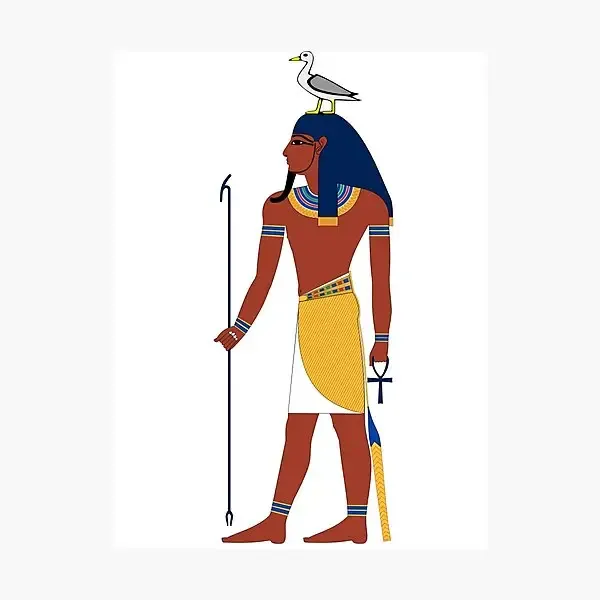
In the earliest myths from Heliopolis, Atum emerged from the primordial waters of Nun, standing upon a mound of dust known as the “Benben.” This mound, the first solid matter in existence, symbolized creation itself. Atum molded the first beings from dust and his divine essence, giving birth to the gods Shu and Tefnut. Through this act, the dust of chaos was transformed into the dust of creation. The Egyptian god of dust, therefore, can be seen as an aspect of Atum—a manifestation of matter becoming life. His myth teaches that even from emptiness, something sacred can emerge.
Travelers inspired by Egypt’s creation myths can experience these origins firsthand at sacred sites included in many Egypt Travel Packages, tracing the path from the deserts of Heliopolis to the fertile Nile Valley.
The Symbolism Of Dust In Egyptian Rituals And Daily Life
Dust permeated nearly every aspect of Egyptian ritual life. Priests used dust mixed with sacred oils for anointing statues, symbolizing divine rebirth. In funerary rites, “holy dust” collected from temple floors was sprinkled over mummies, representing the deceased’s return to the earth god Geb. Even the desert sand that covered tombs was seen as a protective veil against evil forces, ensuring safe passage to the afterlife. This ritual connection to dust echoes in the vast necropolises around Giza and Saqqara, where time and wind have preserved monuments for millennia despite the relentless desert storms.
Modern explorers who join Luxury Egypt Tours often marvel at how the ancient Egyptians turned their environment into a spiritual classroom. Dust wasn’t something to escape—it was something to understand, respect, and even worship.
How Dust Connected The Living And The Dead
The phrase “from dust to dust” holds deep resonance within Egyptian theology. The god of dust acted as both creator and restorer—linking the world of the living to the world of spirits. When a person died, their body returned to dust, merging again with Geb. But their ka (spirit) was guided by divine forces like Anubis, whose symbolism is explored in depth in Anubis Symbol. This entire process embodied the cyclical philosophy central to Egyptian belief: everything that lives must one day return to the dust from which it came, only to rise again in another form.
In this sense, the Egyptian god of dust represents renewal and eternity—teaching that even decay holds the seed of life. Through every windstorm and shifting dune, Egyptians saw the divine hand reshaping existence, grain by grain.
Influence Of The God Of Dust On Egyptian Art And Architecture
Egyptian artists and builders mirrored the symbolism of dust in their creations. Temples were aligned with the desert’s edge, where dust met fertility, and pyramids were built from limestone dust transformed into eternal monuments. The meticulous process of shaping these stones echoed the divine molding of creation itself. Visitors who embark on Best Egypt Vacation Packages witness firsthand how dust and stone became vessels of immortality. Every monument, from the Sphinx to the Valley of the Kings, whispers the same truth: from dust we rise, and in dust, we endure forever.
Frequently Asked Questions About The Egyptian God Of Dust
Who Is The Egyptian God Of Dust?
The Egyptian god of dust is often identified through attributes shared by deities like Set, Geb, and Atum. Set governs the chaotic, desert dust storms; Geb symbolizes the fertile dust of the earth; and Atum embodies creation from dust. Collectively, they represent the divine essence of dust—the material of life and transformation.
Why Was Dust Important In Ancient Egyptian Religion?
Dust symbolized both mortality and creation. Egyptians believed that humans were formed from dust and that death returned them to the earth. Dust rituals were performed to bless crops, protect tombs, and honor gods associated with fertility and rebirth.
Is Set Considered Evil Because He Is Linked To Dust?
Not entirely. While Set was associated with chaos and desert storms, he also represented strength and protection. His control over dust showed his mastery of destructive yet necessary forces. Egyptians respected Set’s power as part of the cosmic balance.
What Symbols Represented The God Of Dust?
Symbols such as swirling sand, the desert wind, and the earth mound (Benben) represented the god of dust. These symbols expressed transformation, rebirth, and the eternal cycle of life emerging from the soil.
Can You Visit Sites Connected To The Egyptian God Of Dust?
Yes. Many sites associated with Geb, Set, and Atum can be explored through organized Egypt Adventure Tours. Temples in Heliopolis, the deserts of Upper Egypt, and the tombs of Luxor all display carvings and art devoted to these deities. These locations reveal how ancient Egyptians honored the life-giving power of dust that shaped their culture and spirituality.