
Is the Red Sea Safe for Tourists? A Complete Hurghada & Sharm el‑Sheikh Travel Safety Guide
The question many travelers type into search engines before booking an Egyptian beach holiday is simple: Is the Red Sea safe for tourists? With crystal‑clear water, vibrant coral reefs, and year‑round sunshine, the Red Sea—especially Hurghada and Sharm el‑Sheikh—remains one of the world’s most desirable diving and resort destinations. Yet smart travelers want reassurance before planning a trip. They want real answers about safety in Hurghada, safety in Sharm el‑Sheikh, and whether the Red Sea is safe for tourists in 2026 and beyond.
The good news is that millions of visitors safely travel to the Red Sea each year. Tourism infrastructure in Hurghada and Sharm el‑Sheikh is highly developed, security measures around resorts and airports are strict, and local economies depend heavily on tourism. These coastal cities were designed with international travelers in mind, which means well‑protected resort zones, organized excursions, licensed diving centers, and reliable transportation options.
Still, travelers often wonder: Is the Red Sea safe for tourists who want to swim, dive, explore deserts, or wander around markets? Understanding safety conditions in Hurghada and Sharm el‑Sheikh requires looking at several factors—local security, marine safety, health considerations, and common travel precautions. When you examine these areas carefully, a clear picture emerges: the Red Sea remains one of the safest and most welcoming tourist regions in Egypt when visitors follow standard travel awareness.
This Hurghada and Sharm el‑Sheikh travel safety guide breaks down everything visitors need to know. From resort security and shark myths to local laws and smart traveler tips, this guide answers the big question—Is the Red Sea safe for tourists?—while helping you plan a confident and unforgettable Red Sea holiday.
Understanding Safety in the Red Sea: Is the Red Sea Safe for Tourists Today?
When travelers ask “Is the Red Sea safe for tourists,” they’re usually referring to Hurghada and Sharm el‑Sheikh, the two biggest resort destinations along Egypt’s Red Sea coast. These areas are purpose‑built tourism hubs where safety infrastructure is strong and constantly monitored.
Hurghada, located on Egypt’s mainland Red Sea coast, has grown into a major international tourism center filled with large resorts, marinas, private beaches, and dive operators. Security presence is visible around hotels, airports, and tourist attractions, making Hurghada one of the most controlled tourism environments in the region.
Sharm el‑Sheikh sits on the Sinai Peninsula and operates similarly to a resort city designed specifically for international tourism. Access roads into Sharm el‑Sheikh are monitored, hotels employ layered security systems, and major tourist zones are carefully managed.
Because tourism is vital to Egypt’s economy, authorities prioritize keeping the Red Sea safe for tourists. Resorts coordinate closely with local authorities, excursions run through licensed operators, and international airlines maintain regular flights to both Hurghada and Sharm el‑Sheikh. As a result, most travelers experience a relaxed, beach‑focused holiday without safety concerns.
Safety in Hurghada for Tourists: Resorts, Beaches, and Local Areas
Hurghada safety for tourists is generally considered high, particularly within resort areas. Most visitors spend their time inside beachfront resorts, diving centers, or organized excursions such as snorkeling trips, desert safaris, or island tours.
Resort zones along Hurghada’s coastline maintain private security, controlled beach access, and well‑lit promenades. Areas like El Gouna, Sahl Hasheesh, and Makadi Bay are especially known for their calm environment and tourist‑focused infrastructure.
Outside resorts, downtown Hurghada offers markets, cafes, and marinas where tourists regularly stroll. While Hurghada is safe for tourists overall, normal travel awareness still applies: avoid isolated areas late at night, use licensed taxis or ride services, and keep valuables secure.
Most travelers report that locals in Hurghada are friendly and welcoming. Tourism supports thousands of jobs, so visitors are typically treated warmly. When travelers ask whether the Red Sea is safe for tourists visiting Hurghada, the experience of millions of annual visitors suggests a reassuring yes.
Sharm el‑Sheikh Safety Guide: What Tourists Should Know
Sharm el‑Sheikh is widely regarded as one of the safest tourist cities in Egypt. Built primarily as a resort destination, Sharm’s layout separates tourist areas from remote regions of the Sinai desert. This structure helps maintain a controlled environment for visitors.
Security checkpoints on access roads monitor vehicles entering Sharm el‑Sheikh, and most hotels conduct luggage screenings similar to airport procedures. While this might seem strict, these measures exist specifically to ensure the Red Sea remains safe for tourists.
Naama Bay, Soho Square, and Shark’s Bay are popular nightlife and entertainment districts where tourists can safely enjoy restaurants, cafes, and waterfront walks. Organized excursions to Ras Mohammed National Park, desert quad biking tours, and diving trips are also widely considered safe when booked through licensed providers.
Travelers asking “Is the Red Sea safe for tourists visiting Sharm el‑Sheikh?” usually discover that the city operates much like an international resort enclave designed for comfort, convenience, and security.
Marine Safety in the Red Sea: Swimming, Diving, and Shark Awareness
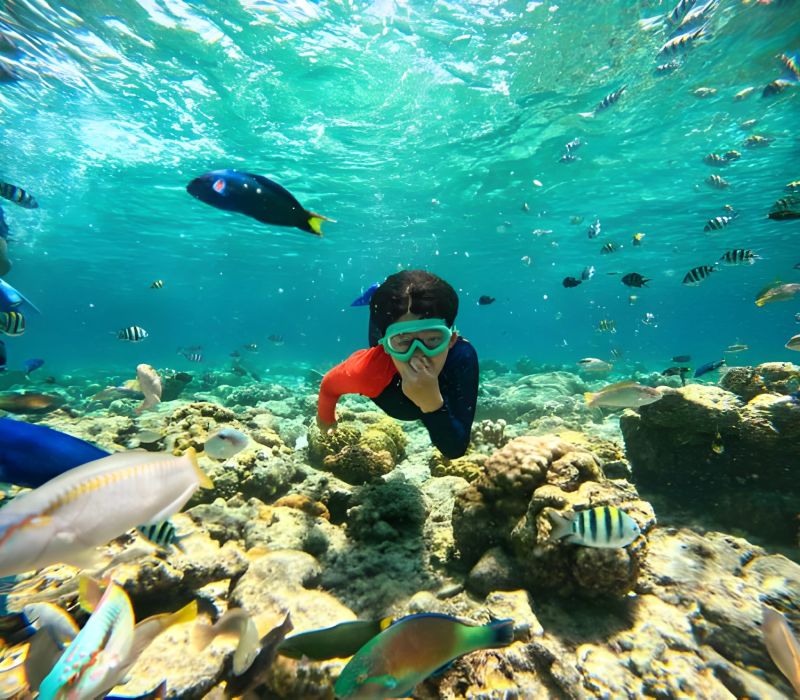
The Red Sea is world‑famous for diving, snorkeling, and marine biodiversity. Naturally, travelers sometimes wonder if swimming or diving affects whether the Red Sea is safe for tourists.
In reality, marine incidents are extremely rare compared with the millions of annual swimmers and divers. Professional dive centers in Hurghada and Sharm el‑Sheikh follow international safety standards, including trained instructors, safety briefings, and regulated dive sites.
Occasional shark headlines often create unnecessary fear. Shark encounters in the Red Sea are very uncommon, and local authorities temporarily close beaches if unusual activity is detected. Following lifeguard instructions and avoiding swimming at dusk or dawn greatly reduces risk.
Other marine considerations include coral cuts, jellyfish stings, and strong sun exposure. Wearing reef‑safe shoes, using high‑SPF sunscreen, and respecting marine life keeps the Red Sea safe for tourists enjoying water activities.
Travel Precautions That Keep the Red Sea Safe for Tourists
Even though Hurghada and Sharm el‑Sheikh are considered safe destinations, smart travel habits help ensure a smooth trip. Basic precautions dramatically reduce potential issues.
Book excursions through licensed tour operators or hotels rather than unverified street sellers. Stay hydrated in the desert climate, carry travel insurance for diving or adventure activities, and follow hotel safety guidance.
Transportation safety also matters. Use hotel taxis, registered ride services, or organized tour transport. When exploring local markets, keep bags secure and avoid displaying large amounts of cash.
These simple habits reinforce why the Red Sea remains safe for tourists and why Hurghada and Sharm el‑Sheikh continue to attract repeat travelers from Europe, the Middle East, and beyond.
Why Millions Still Choose Hurghada and Sharm el‑Sheikh
The popularity of the Red Sea speaks volumes about traveler confidence. Each year millions of visitors arrive for diving holidays, luxury beach escapes, and family vacations. The combination of affordable resorts, stunning reefs, and reliable tourist infrastructure keeps the Red Sea high on global travel lists.
Hurghada appeals to travelers who want vibrant nightlife, island excursions, and easy access to the Egyptian mainland. Sharm el‑Sheikh attracts divers, luxury travelers, and visitors seeking calm resort environments surrounded by protected marine parks.
When travelers research “Is the Red Sea safe for tourists,” they often discover that both destinations maintain strong tourism security systems while offering some of the best underwater ecosystems on the planet.
Frequently Asked Questions: Is the Red Sea Safe for Tourists?
Is the Red Sea safe for tourists in 2026?
Yes, the Red Sea is generally safe for tourists in 2026, especially in established resort cities like Hurghada and Sharm el‑Sheikh. These destinations maintain strong tourism security, monitored access points, and well‑developed resort infrastructure designed to protect international visitors.
Is Hurghada safe for tourists and families?
Hurghada is considered safe for tourists and families, particularly within resort zones such as Makadi Bay, Sahl Hasheesh, and El Gouna. Resorts provide private beaches, security staff, and organized excursions, making Hurghada a popular family holiday destination.
Is Sharm el‑Sheikh safe for tourists right now?
Sharm el‑Sheikh is widely regarded as one of Egypt’s safest tourist cities. Security checkpoints, controlled resort areas, and dedicated tourist infrastructure help maintain a secure environment for international travelers.
Are shark attacks common in the Red Sea?
No, shark attacks in the Red Sea are extremely rare. Millions of people swim, snorkel, and dive safely every year in Hurghada and Sharm el‑Sheikh. Following lifeguard advice and swimming in designated areas keeps the Red Sea safe for tourists enjoying marine activities.
What safety tips should tourists follow in Hurghada and Sharm?
Tourists should book licensed excursions, use reputable transportation, stay hydrated, and follow hotel guidance. Keeping valuables secure and respecting marine safety rules helps ensure a safe and enjoyable Red Sea vacation.
Related reading: Your Guide To The Egyptian Red Sea | Red Sea Egypt Tours | Egypt Beaches
Ready to plan your trip? Browse our Hurghada day tours.