
Why Explore National Parks in Egypt? Discover the Hidden Natural Treasures of the Pharaohs' Land
When most travelers think of Egypt, pyramids, temples, and golden tombs spring to mind. Yet beyond its world-famous monuments, Egypt hides another dimension waiting to be explored: its breathtaking national parks. Stretching across deserts, mountains, coastlines, and oases, these protected areas reveal the country’s wild soul — one shaped by millennia of nature’s artistry. Exploring national parks in Egypt means stepping into landscapes teeming with rare wildlife, geological wonders, and ancient secrets. Whether you’re an adventurer, nature lover, or history buff, Egypt’s national parks offer an uncharted journey that redefines travel in this iconic land.
Visitors who crave authentic experiences will find Egypt’s parks irresistible. They serve as sanctuaries for countless bird species, desert foxes, coral reefs, and unique flora that thrive against the odds. From the crystalline waters of Ras Mohammed to the lunar beauty of the White Desert, each park has its personality, story, and rhythm. This is where ecotourism meets cultural heritage, creating a sustainable way to experience Egypt beyond the beaten tourist trail. Combining a visit to these pristine environments with Egypt Travel Packages lets you balance adventure and relaxation while supporting conservation efforts that protect these natural treasures for generations to come.
Ras Mohammed National Park – Where the Desert Meets the Red Sea
Located at the southern tip of the Sinai Peninsula, Ras Mohammed National Park is Egypt’s most famous marine reserve and a crown jewel of the Red Sea. Established in 1983, it’s a paradise for divers and snorkelers, offering mesmerizing coral reefs, crystal-clear waters, and a kaleidoscope of marine life. Beneath the surface lies an underwater world bursting with color — dolphins, clownfish, barracudas, and even sea turtles glide between coral walls that rival any tropical destination worldwide. Visitors can easily access the park from Sharm El-Sheikh, making it a must-see for anyone joining Hurghada Day Tours or Red Sea excursions.
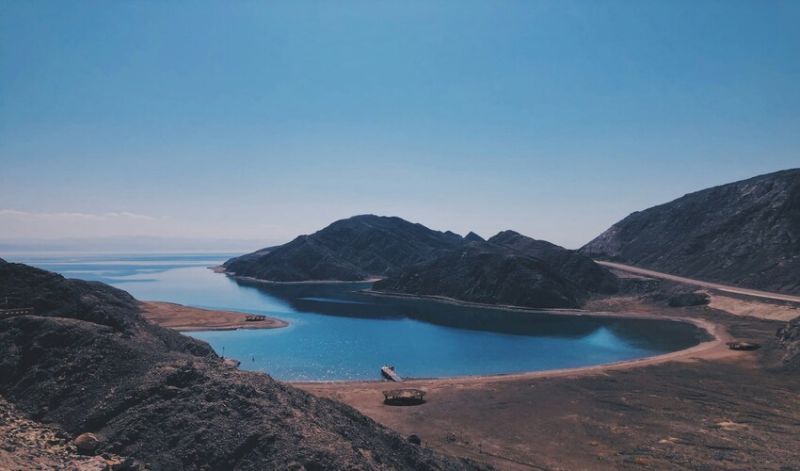
Above water, Ras Mohammed reveals saltwater lakes, mangrove forests, and dramatic cliffs overlooking the turquoise sea. The views are jaw-dropping at sunset when the desert glows in gold and crimson hues. Whether you’re diving deep or hiking the rugged coast, this park embodies the magic of Egypt’s natural diversity.
White Desert National Park – The Surreal Beauty of Chalk Formations
Few places on Earth match the otherworldly scenery of the White Desert National Park. Located in Egypt’s Western Desert near Farafra Oasis, it’s a dreamland of wind-carved chalk formations rising from the golden sand. Shaped over centuries by erosion, these ghostly sculptures resemble mushrooms, animals, and abstract art frozen in time. At night, under a blanket of stars, this surreal landscape transforms into a silver wonderland that captivates every traveler.
Adventure seekers often combine a White Desert expedition with Egypt Adventure Tours to experience camping beneath the Milky Way, surrounded by complete silence and serenity. Wildlife enthusiasts may spot desert foxes, fennecs, and rare migratory birds. A visit here isn’t just a trip — it’s an encounter with nature’s imagination at its wildest.
Wadi El Rayan National Park – The Oasis of Waterfalls and Wildlife
Located southwest of Fayoum, Wadi El Rayan National Park is a haven of tranquility where desert dunes meet sparkling lakes. The park’s main highlight is Egypt’s only natural waterfall, connecting two man-made lakes created decades ago. It’s a favorite spot for picnics, photography, and birdwatching, with flamingos and herons dotting the horizon. The surrounding landscape, dotted with rolling dunes and rocky escarpments, offers striking contrasts — a true feast for the eyes.
Travelers exploring the park can also visit the nearby Wadi El Hitan, or “Valley of the Whales,” a UNESCO World Heritage Site featuring fossilized whale skeletons that date back 40 million years. This geological wonder provides a glimpse into Egypt’s prehistoric marine past, making it one of the most fascinating stops on Cairo Day Tours.
Saint Catherine Protectorate – The Spiritual Heart of Egypt’s Mountains
Perched in the rugged Sinai highlands, the Saint Catherine Protectorate is Egypt’s largest protected area. It’s home to Mount Sinai (Jebel Musa), where tradition says Moses received the Ten Commandments, and the ancient Citadel Of Salah El-Din nearby adds historical depth. Trekkers from around the world climb Mount Sinai before dawn to witness the sunrise over rocky peaks — an awe-inspiring view that feels almost divine.
This region also harbors rare wildlife like Nubian ibex and Sinai leopard, as well as Bedouin communities who preserve centuries-old traditions. Visitors can explore hidden valleys, Byzantine monasteries, and tranquil gardens. Combining this experience with Luxury Egypt Tours ensures both cultural enrichment and natural wonder in one unforgettable journey.
Wadi El Gemal National Park – The Jewel of the Eastern Desert
Stretching along the Red Sea coast near Marsa Alam, Wadi El Gemal National Park is a living mosaic of ecosystems. The park’s name translates to “Valley of the Camels,” reflecting its deep connection to both wildlife and local heritage. Here, visitors can explore mangroves, coral reefs, and desert wadis, all teeming with biodiversity. The marine area shelters dugongs, green turtles, and vibrant reefs, while the terrestrial section hosts gazelles, acacia trees, and archaeological sites from ancient Roman mining operations.
Wadi El Gemal strikes a perfect balance between adventure and relaxation. Many travelers pair their exploration with Egypt Nile Cruises or coastal getaways to create a diversified travel experience. This park exemplifies Egypt’s commitment to protecting its natural heritage and offers a peaceful retreat away from crowded resorts.
Eco-Tourism and Sustainability in Egypt’s National Parks
Egypt’s national parks play a vital role in promoting sustainable tourism. By visiting these protected areas responsibly, travelers contribute directly to conservation initiatives, local economies, and community-based tourism. Many parks now limit visitor numbers, enforce eco-friendly practices, and engage Bedouin guides to ensure traditional knowledge supports environmental preservation. For conscious travelers, combining eco-adventures with Best Egypt Vacation Packages allows a deeper connection with both people and place.
Whether you’re trekking in Saint Catherine, diving at Ras Mohammed, or camping in the White Desert, each step you take supports Egypt’s long-term vision of balancing tourism with nature preservation. Exploring these parks isn’t just about seeing landscapes — it’s about being part of a movement that values harmony between culture, history, and the environment.
Planning Your Visit: Tips for Exploring Egypt’s National Parks
When visiting Egypt’s national parks, preparation is key. Always check local regulations, hire licensed guides, and carry sufficient water and sun protection. Avoid leaving waste, respect wildlife habitats, and adhere to designated trails. For a hassle-free experience, many travelers book guided adventures through Egypt Private Tours, ensuring comfort, safety, and exclusive access to hidden gems. Whether you’re an avid photographer or an adrenaline junkie, Egypt’s parks promise unforgettable moments framed by nature’s grandeur.
FAQs About Exploring National Parks in Egypt
1. What are the best national parks to visit in Egypt?
The most popular national parks include Ras Mohammed, White Desert, Wadi El Rayan, Saint Catherine Protectorate, and Wadi El Gemal. Each offers unique landscapes, from coral reefs to desert plateaus, appealing to various traveler interests.
2. Is it safe to visit national parks in Egypt?
Yes, Egypt’s national parks are generally safe when visited with authorized guides and tour operators. The government maintains strong security in protected areas, and local communities warmly welcome eco-conscious travelers.
3. What’s the best time to explore Egypt’s national parks?
The ideal time is between October and April when the weather is mild, making outdoor exploration comfortable. Summer months can be extremely hot, especially in desert regions like the White Desert or Fayoum.
4. Can I combine national park visits with cultural attractions?
Absolutely. Many travelers integrate national park exploration with historical tours of Cairo, Luxor, or Aswan. Combining nature and culture through organized Luxor Day Tours or other excursions enhances your overall Egyptian experience.
5. Are there eco-friendly accommodations near national parks?
Yes, eco-lodges and sustainable resorts are available near many parks, such as eco-camps in the White Desert or eco-resorts in Marsa Alam. These accommodations use renewable energy and follow conservation principles, offering comfort without compromising nature.
Exploring national parks in Egypt opens a door to a side of the country that few travelers witness — one where nature’s raw beauty and ancient heritage coexist in perfect harmony. Whether it’s a windswept desert, a coral-fringed coastline, or a sacred mountain peak, Egypt’s wild heart beats strong, waiting for you to discover it.