The Enchanting Legend of Osiris and Isis: A Tale of Love, Betrayal, and Eternal Rebirth
Among the many myths that shaped Ancient Egyptian civilization, none captivates the imagination like the timeless legend of Osiris and Isis. This ancient story combines divine romance, betrayal, vengeance, and resurrection, offering a profound reflection of Egyptian beliefs in life, death, and the afterlife. The myth not only influenced religious rituals but also became a cornerstone of Egyptian identity, embodying the eternal struggle between order and chaos. To this day, the tale of Osiris and Isis continues to enchant scholars, travelers, and spiritual seekers exploring the mysteries of the ancient world during their Egypt Travel Packages.
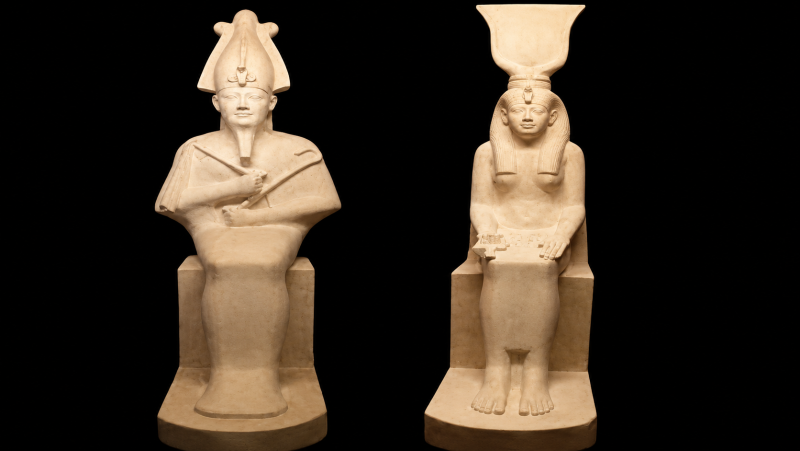
In the core of this legend lies an emotional saga that mirrors human experiences—love’s endurance, the pain of betrayal, and the triumph of hope over despair. Osiris, the benevolent god-king of Egypt, represented life, fertility, and moral righteousness. His beloved sister-wife, Isis, symbolized magic, motherhood, and divine wisdom. Together, they ruled with harmony until jealousy and greed tore their world apart. The myth’s timeless message of resurrection and renewal echoes through Egyptian art, temples, and the sacred rituals that defined their spiritual life. Whether retold beside the majestic Nile River or among the golden sands of ancient tombs, the legend of Osiris and Isis remains one of the most powerful tales of antiquity.
Osiris: The Divine King of Order and Fertility
Osiris, one of Egypt’s most revered gods, personified the principles of civilization, agriculture, and moral justice. Ancient Egyptians believed he taught humanity how to cultivate crops, establish laws, and honor the gods. His reign marked an era of peace and prosperity before his tragic downfall. This divine ruler was not only a symbol of kingship but also of rebirth—his story tied deeply to the annual flooding of the Nile, which nourished Egypt’s fertile lands. Many travelers retracing his mythic journey through Egypt Nile Cruises can sense the spiritual bond between Osiris and the rhythm of the river’s life-giving waters.
Set’s Betrayal: The Jealous Brother’s Treachery
The tale takes a dark turn with the introduction of Set, Osiris’s envious brother. Representing chaos, storms, and destruction, Set plotted the downfall of his noble sibling. In a cunning act of deceit, he crafted a beautifully ornate coffin tailored to Osiris’s exact dimensions. During a grand feast, Set announced that the coffin would belong to whoever fit inside it perfectly. Once Osiris laid within, Set sealed it shut and cast it into the Nile, sending the god-king to his watery grave. This act of treachery shattered the harmony of Egypt and set in motion Isis’s quest to restore balance and justice.
Isis: The Goddess of Magic, Devotion, and Eternal Love
Isis stands as one of the most venerated deities in Egyptian mythology, embodying loyalty, motherhood, and divine magic. Her unwavering devotion to Osiris transformed her into a symbol of ultimate faith and perseverance. When she discovered her husband’s tragic fate, she embarked on an arduous journey across Egypt to recover his body. Along her path, Isis used her magical powers and wisdom, aided by the goddesses Nephthys and Hathor, to retrieve each fragment of Osiris’s dismembered body. This quest mirrors the spiritual journeys many modern travelers experience on Egypt Day Tours, seeking ancient truths hidden in temples and tombs.
Resurrection and the Birth of Horus
Through sacred rituals and spells, Isis succeeded in reassembling Osiris’s body and breathing life back into him. From their divine reunion, she conceived Horus, the falcon-headed god destined to avenge his father and restore balance to Egypt. Osiris, however, could not remain in the mortal realm. Instead, he descended to rule the underworld as the Lord of the Dead, overseeing judgment and guiding souls toward eternal peace. This resurrection myth reinforced the Egyptians’ core belief in life after death, a concept still studied in sites like The National Museum Of Egyptian Civilization.
Horus vs. Set: The Battle for Egypt’s Throne
Years later, the young Horus challenged Set to reclaim his father’s throne. Their battles raged across land, sky, and water, symbolizing the eternal conflict between order and chaos. After a series of divine trials, Horus emerged victorious, uniting Egypt and reestablishing Ma’at—the principle of cosmic balance. His triumph celebrated the victory of righteousness and became a model for pharaonic rule. Pharaohs of Egypt identified themselves with Horus, and their deceased predecessors were seen as Osiris, perpetuating the myth’s spiritual significance throughout dynastic history.
The Symbolism and Legacy of the Osiris and Isis Myth
The legend of Osiris and Isis is more than a myth—it’s a philosophical reflection on the nature of life, death, and regeneration. The story’s elements became deeply intertwined with Egyptian rituals, particularly in funerary practices and temple ceremonies. The annual ‘Osiris Mysteries’ festival reenacted his death and resurrection, ensuring the land’s fertility and spiritual renewal. Modern visitors exploring Luxury Nile Cruises through sacred cities like Abydos and Philae can witness the remnants of temples dedicated to these divine figures, where ancient prayers once echoed for rebirth and protection.
The Eternal Influence of Osiris and Isis in Modern Culture
Their story transcended time, inspiring countless cultures, religions, and philosophies around the world. Isis’s image influenced depictions of mother goddesses in Greek and Roman mythology, while Osiris’s resurrection prefigured later themes of rebirth found in spiritual traditions. For those captivated by Egypt’s mystical allure, tracing their footsteps through destinations like Luxor Day Tours or Aswan Day Tours provides a living connection to this ancient narrative.
FAQs About The Legend of Osiris and Isis
Who were Osiris and Isis in Egyptian mythology?
Osiris and Isis were among the most important deities in ancient Egyptian mythology. Osiris was the god of the afterlife, resurrection, and fertility, while Isis was the goddess of magic, healing, and motherhood. Together, they represented divine balance and the cyclical nature of life and death, forming the foundation of Egypt’s spiritual beliefs.
What is the main theme of the Osiris and Isis legend?
The central theme revolves around love, betrayal, death, and resurrection. It symbolizes the triumph of good over evil, the perseverance of love, and the eternal renewal of life. The myth also reflects Egypt’s agricultural cycle, where Osiris’s resurrection mirrors the Nile’s annual flooding, bringing fertility to the land.
How did Isis resurrect Osiris?
After Set killed and dismembered Osiris, Isis collected each piece of his body, performed sacred rituals, and used her divine magic to restore him to life. Although Osiris couldn’t return to the living world, he became ruler of the underworld, ensuring the continuity of life beyond death—a concept still explored in Egyptian mummification practices.
Why is the legend of Osiris and Isis significant today?
Their myth continues to inspire art, literature, and modern spirituality. It reminds humanity of the enduring power of love, rebirth, and balance. Tourists visiting Egypt often find traces of the legend in temples dedicated to Isis and Osiris, making it an essential part of Luxury Egypt Tours and cultural explorations.
Where can travelers learn more about Osiris and Isis in Egypt?
Visitors can explore ancient temples dedicated to Isis at Philae near Aswan and Osiris at Abydos, as well as artifacts depicting their tale in The Egyptian Museum Of Cairo. These sacred sites reveal the myth’s enduring influence and its role in shaping Egypt’s religious identity, making them must-visit destinations on Best Egypt Vacation Packages.
Related reading: The Egyptian God of Dust
Seeing these sites in person brings their stories to life. Explore our Luxor day tours.