The Enigmatic Sabu Disk: Decoding Ancient Egypt’s Most Mysterious Artifact
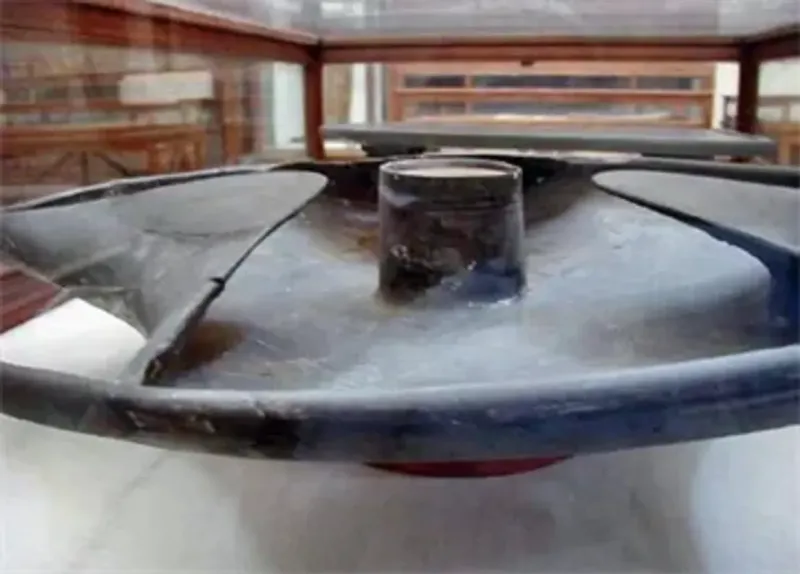
Among the countless treasures unearthed from the sands of Egypt, few have baffled historians and archaeologists as much as the Sabu Disk. Discovered in the tomb of Prince Sabu at Saqqara, this ancient artifact continues to spark debates about early Egyptian technology, symbolic meaning, and possible advanced understanding of engineering. Unlike the iconic pyramids or colossal statues, the Sabu Disk stands apart for its intricate design and enigmatic purpose. Crafted from fragile schist stone, it defies explanation—too elaborate for mere ornamentation, yet too delicate for practical use. What was its true function? Was it ceremonial, scientific, or something else entirely? This article delves deep into the mystery surrounding the Sabu Disk, exploring its discovery, unique composition, and the theories that continue to fuel fascination worldwide.
Visitors exploring Cairo Day Tours or the vast necropolis of Saqqara are often intrigued by artifacts that shed light on Egypt’s ancient ingenuity, and the Sabu Disk is no exception. Its three-lobed structure, dating back to around 3100 BCE, remains one of early civilization’s most perplexing engineering puzzles. The mystery of the Sabu Disk pushes scholars and tourists alike to question just how advanced the First Dynasty Egyptians truly were.
Discovery of the Sabu Disk in Saqqara: A Glimpse Into the Past
The Sabu Disk was discovered in 1936 by British archaeologist Walter Bryan Emery during excavations at the tomb of Prince Sabu, son of Pharaoh Anedjib of Egypt’s First Dynasty. Located in Saqqara—the necropolis serving ancient Memphis—the tomb revealed an array of stone vessels and ceremonial items. Yet, nestled among them lay the peculiar disk, unlike anything else found from that era.
Today, this unique object is preserved in The Egyptian Museum of Cairo, drawing visitors eager to witness one of the earliest examples of precision craftsmanship. Its discovery not only amplified curiosity about early Egyptian technology but also hinted at possible connections between art, science, and spirituality.
Material Composition and Craftsmanship of the Sabu Disk
Carved from metamorphic schist—a fragile, layered stone—the Sabu Disk’s creation would have required extraordinary skill. This material fractures easily, making the disk’s symmetrical curvature and thin edges a remarkable feat, especially when one considers the limited tools available around 3100 BCE. Experts argue that the precision seen in its design implies not only artistic excellence but also a profound understanding of geometry and balance.
For those fascinated by ancient art and engineering, exploring Egyptian artifacts through curated Egypt Travel Packages offers a rare opportunity to appreciate such craftsmanship firsthand. The Sabu Disk, in particular, showcases the Egyptians’ fusion of skill and spirituality—a hallmark of their civilization.
Theories Behind the Purpose of the Sabu Disk
Despite decades of study, the Sabu Disk’s function remains speculative. Several theories have emerged, each attempting to decode its enigmatic design:
1. Ritual or Ceremonial Object: Some scholars propose that the disk was used in religious ceremonies symbolizing movement or rebirth, given its trifoil shape that might represent eternal cycles.
2. Prototype of Mechanical Design: Others hypothesize that it functioned as a primitive component resembling a wheel, fan, or even a turbine—suggesting an unexpectedly advanced level of technological experimentation.
3. Symbolic Vessel or Offering Plate: Given its tomb context, it may have served as a symbolic offering to the gods, reflecting cosmic balance and divine order.
These interpretations highlight not only the disk’s mystery but also its potential significance in understanding how early Egyptians viewed life, death, and cosmic harmony. Such enigmas make Egypt a paradise for explorers seeking to uncover ancient truths, especially through specialized Egypt Nile Cruises that connect travelers with archaeological wonders across the country.
Comparing the Sabu Disk to Other Ancient Egyptian Artifacts
When placed beside more familiar relics, such as pottery or ceremonial vessels, the Sabu Disk appears almost alien in design. Its aerodynamic form bears no resemblance to typical First Dynasty items. Some researchers even suggest that it could symbolize advanced knowledge lost to time—perhaps an artifact that bridged ritual and technology. The disk’s design has also prompted comparisons with later Egyptian symbology, such as representations of solar movement and divine cycles.
For archaeology enthusiasts exploring ancient relics, the contrast between the Sabu Disk and other artifacts found in Memphis or Giza underscores the diverse innovation of the early dynastic period. This sense of wonder is what drives many to embark on immersive Luxury Egypt Tours, tracing humanity’s earliest steps toward mechanical ingenuity.
Modern Interpretations and Technological Hypotheses
In recent years, 3D modeling and modern engineering analysis have reignited debate about the Sabu Disk. Some mechanical engineers speculate that the shape resembles a flywheel or impeller, hinting at a forgotten scientific understanding. While mainstream Egyptologists dismiss such ideas as anachronistic, the disk’s aerodynamic profile undeniably mirrors modern design principles. The possibility of it being part of a mechanical or hydraulic system remains captivating, even if unprovable.
To visualize how ancient design principles evolved over millennia, visitors can explore timeless structures via Luxor Day Tours, where precision and symbolism intertwine in temples and tombs that echo similar mysteries.
Cultural and Symbolic Interpretations of the Sabu Disk
Beyond technology, the Sabu Disk may embody profound spiritual symbolism. Its circular form could represent the solar cycle or eternity—central themes in Egyptian cosmology. Some Egyptologists believe each curved lobe mirrors the triadic nature of creation, life, and rebirth. In funerary contexts, this symbolism would align perfectly with the beliefs of the afterlife, embodying both divine motion and balance.
Just as the Nile River symbolized rejuvenation and eternal flow, the disk’s design may have served as a physical metaphor for continuous life energy. It’s this poetic blend of science, art, and spirituality that keeps the Sabu Disk among Egypt’s most discussed archaeological enigmas.
Why the Sabu Disk Still Captures Global Imagination
The enduring allure of the Sabu Disk lies in its ambiguity. It challenges assumptions about early civilization and teases the boundaries between history and myth. Whether viewed as a ritual relic or an artifact ahead of its time, its creation demonstrates unparalleled precision and artistry. The disk remains a tangible reminder that ancient Egyptians possessed knowledge and skill far beyond their era’s presumed capabilities.
The intrigue surrounding the Sabu Disk has made it a must-see for travelers passionate about archaeology and ancient mysteries. Incorporating visits to such artifacts through curated Best Egypt Vacation Packages brings history to life, transforming ancient curiosities into unforgettable experiences.
Frequently Asked Questions About the Sabu Disk
What is the Sabu Disk made of?
The Sabu Disk is crafted from metamorphic schist, a brittle and layered stone that fractures easily. Its precise carving from such a delicate material highlights the advanced skill of early Egyptian artisans, suggesting remarkable craftsmanship uncommon for its era.
Where was the Sabu Disk found?
The disk was discovered in the tomb of Prince Sabu at Saqqara by archaeologist Walter Bryan Emery in 1936. The find emerged from Egypt’s First Dynasty, dating to around 3100 BCE, and remains one of the earliest known examples of sophisticated stonework.
What was the purpose of the Sabu Disk?
Its exact purpose remains unknown. Theories range from ceremonial symbolism to functional prototypes resembling turbines, fans, or offering vessels. Some experts believe it symbolized cyclical motion and rebirth, aligning with ancient Egyptian religious beliefs.
Where can visitors see the Sabu Disk today?
The Sabu Disk is exhibited at The Egyptian Museum of Cairo. It continues to attract scholars and travelers intrigued by the mysteries of early dynastic Egypt.
Why is the Sabu Disk considered mysterious?
The disk defies conventional explanation due to its intricate design, unusual material, and unknown purpose. Its aerodynamic form and delicate structure suggest either lost technological knowledge or a highly symbolic function, ensuring its place as one of Egypt’s most puzzling relics.
Seeing these sites in person brings their stories to life. Explore our Cairo day tours.