Thutmose III: The Warrior Pharaoh Who Forged Egypt’s Golden Empire
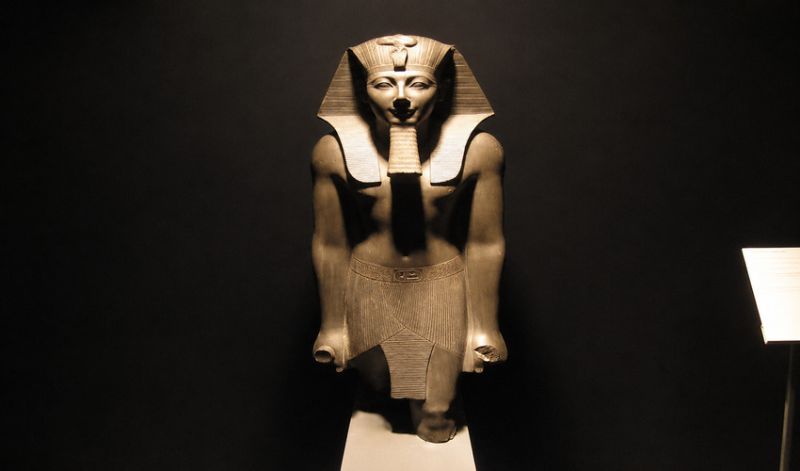
Thutmose III, often hailed as the ‘Napoleon of Ancient Egypt,’ was more than just a ruler—he was a visionary strategist, empire builder, and cultural innovator. Born into the Eighteenth Dynasty, Thutmose III reigned from around 1479 to 1425 BCE and turned Egypt into the most powerful empire of its time. His reign marked the pinnacle of Egypt’s military and political dominance, a period that influenced art, architecture, and governance for centuries. From his early days under the regency of Hatshepsut to his triumphant military campaigns across the Near East, Thutmose III’s story is one of ambition, brilliance, and enduring legacy.
Visitors following the path of Thutmose III through ancient Thebes or aboard one of the luxurious Luxury Nile Cruises can trace the echoes of his conquests along the Nile’s fertile banks. Each temple, each inscription, and every hieroglyph marks the rise of a man who reshaped the known world. His reign didn’t only expand borders; it ushered in unprecedented wealth, art, science, and religion—cementing Egypt as the heartbeat of the ancient world.
The Early Life and Rise of Thutmose III
Thutmose III was born to Pharaoh Thutmose II and a secondary wife named Iset. As a child, he was not the direct heir to the throne, and his path to power was shaped by complex royal politics. After his father’s death, his stepmother Hatshepsut assumed the role of pharaoh while Thutmose was still a boy. For years, Hatshepsut ruled as the dominant monarch, while Thutmose III was trained in the art of war, administration, and diplomacy. This period of co-regency not only prepared him for kingship but also gave him time to master military tactics—skills that later defined his reign.
Today, travelers exploring Luxor Day Tours can witness the magnificent temples where Thutmose’s youthful presence once inspired a new vision for Egypt. His education in temple rituals, combat discipline, and the sciences cultivated an intelligent and ambitious leader.
The Military Genius of Thutmose III
Thutmose III’s military prowess is legendary. He led over seventeen successful campaigns, extending Egypt’s influence from Nubia in the south to Syria and the Euphrates River in the north. His most famous triumph occurred at the Battle of Megiddo, where he demonstrated tactical brilliance by surprising his enemies through an unexpected mountain pass. This victory not only subdued rebellious Canaanite princes but also marked the beginning of Egypt’s imperial zenith.
Through these campaigns, Thutmose III didn’t just conquer territories—he reshaped the concept of Egyptian warfare. His armies introduced advanced chariotry, composite bows, and logistical systems, making Egypt a dominant military power. His strategic acumen later influenced pharaohs like Ramses II, whose campaigns, such as the Battle of Kadesh, echoed Thutmose’s methods centuries later.
Thutmose III’s Expanding Empire and Diplomacy
After his victories, Thutmose III implemented a sophisticated system of governance across conquered lands. Rather than destructive conquest, he preferred indirect rule—installing loyal governors, ensuring tribute payments, and establishing Egyptian garrisons. This approach allowed Egypt to maintain stability while reaping immense economic rewards from foreign trade, agriculture, and mineral wealth.
Merchants from the Levant, Cyprus, and Mesopotamia flocked to Thebes with luxury goods, spices, and precious metals. Modern explorers often mirror his cross-cultural journeys through immersive Egypt Travel Packages, unveiling the global legacy of his empire. Thutmose III’s diplomacy proved that soft power could coexist with military dominance—a principle that defined Egypt’s foreign policy for generations.
Architectural and Cultural Achievements Under Thutmose III
Beyond his warrior image, Thutmose III was an avid builder and patron of the arts. He commissioned temples, monuments, and obelisks across the Nile Valley, each reflecting his devotion to the gods and his mastery of symbolism. At Karnak, he expanded the Temple of Amun with massive pylons, statues, and reliefs celebrating his victories. These structures still dominate modern Aswan Day Tours and stand as testaments to his architectural genius.
Art flourished under his reign, evolving toward more naturalistic and dynamic representations. Craftsmen depicted battle scenes, divine ceremonies, and agricultural life with unparalleled precision. Thutmose III’s reign also marked a golden age of scientific exploration, astronomy, and religious reform—a reflection of his deep connection with both the divine and the earthly realms.
The Legacy of Thutmose III in Egyptian History
Thutmose III’s reign left an indelible mark not only on Egypt but on the entire ancient world. He established Egypt’s first true empire, setting the stage for centuries of prosperity and stability. His military strategies became models for later empires, while his architectural innovations influenced temple design throughout Africa and the Mediterranean.
Travelers seeking to immerse themselves in the grandeur of his age can explore Egypt’s monuments through curated Luxury Egypt Tours or serene Best Nile River Cruises, tracing his monumental architectural legacy from Thebes to Nubia. Each site tells a story—a narrative of a ruler whose ambition and intellect redefined civilization.
Thutmose III’s Tomb and the Afterlife
Thutmose III’s tomb, located in the Valley of the Kings (KV34), is one of the earliest and most elaborate burial chambers in ancient Egypt. Its walls are adorned with vivid depictions from the Amduat—a sacred text describing the sun god’s journey through the underworld. Unlike many of his predecessors, Thutmose’s tomb features a unique, angular design symbolizing the pharaoh’s journey toward eternal life and divine unity.
His preservation of spiritual traditions and emphasis on the afterlife echo the deep religious devotion seen in ancient Egyptian culture, similar to the themes found in the Legend of Osiris and Isis. His burial site remains a focal point for archaeologists and historians hoping to unlock more about his mysterious reign.
Influence on Later Pharaohs and Modern Egyptology
Thutmose III inspired generations of rulers, from Amenhotep II to Ramses the Great. His military reforms, architectural innovations, and administrative systems became foundational elements of Egyptian civilization. In modern times, Egyptologists regard his reign as the blueprint for understanding the empire’s expansion and structure.
Exploring his achievements offers invaluable insights into ancient Egyptian governance and resilience. Those fascinated by such historical depth often combine their historical curiosity with modern leisure on Best Egypt Vacation Packages that merge cultural immersion with serene travel experiences along the Nile River.
Conclusion: The Enduring Power of Thutmose III’s Legacy
Thutmose III was not merely a conqueror; he was a visionary leader who unified Egypt, expanded its influence, and elevated its cultural identity. His reign symbolizes the brilliance of ancient Egyptian civilization—its strength, wisdom, and unyielding pursuit of greatness. Every temple inscription, battlefield relic, and architectural masterpiece whispers of his genius, reminding us that Thutmose III’s empire was built not only on power but on enduring vision.
Frequently Asked Questions About Thutmose III
Who was Thutmose III?
Thutmose III was the sixth pharaoh of Egypt’s Eighteenth Dynasty, ruling from approximately 1479 to 1425 BCE. Known as the ‘Napoleon of Egypt,’ he transformed Egypt into a global superpower through military conquests, diplomacy, and monumental building projects.
What was Thutmose III known for?
He’s best known for his seventeen military campaigns, particularly the Battle of Megiddo, and for expanding Egypt’s empire to unprecedented heights. He also promoted art, architecture, and religion, leaving behind masterpieces like the Temple of Amun at Karnak.
Where is Thutmose III buried?
His tomb, KV34, lies in the Valley of the Kings near modern Luxor. The tomb’s decorations feature detailed religious texts guiding the pharaoh through the afterlife, showcasing early examples of artistic innovation and spiritual symbolism.
How did Thutmose III’s reign impact later Egyptian rulers?
His military and administrative systems became the foundation for later pharaohs, influencing the empire’s governance and expansion strategies. Leaders like Ramses II followed his example in both warfare and monumental architecture.
Can tourists visit sites related to Thutmose III today?
Yes, travelers can explore temples and monuments built during his reign in Thebes, Karnak, and throughout Upper Egypt. Many Egypt Day Tours and Egypt Nile Cruises feature stops at key archaeological sites where Thutmose III’s legacy continues to captivate visitors.
Related reading: Was Pharaoh Akhenaten the Rebel King Who Changed Egypt?