The Enchanting World of Belly Dance: History, Culture, and Modern Grace
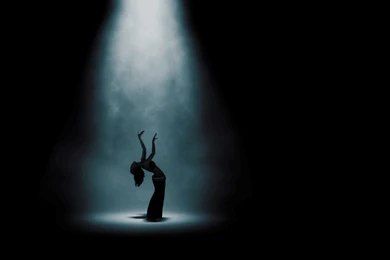
Belly dance, also known as 'Raqs Sharqi' in Arabic, is a mesmerizing dance form that embodies the history and sensuality of Middle Eastern culture. Originating primarily in Egypt, this captivating performance art has evolved into a global phenomenon, celebrated for its hypnotic movements, rhythmic music, and empowering expression. With its intricate isolations of the hips, torso, and arms, belly dance is not just entertainment — it’s a dynamic form of storytelling that blends tradition with modern elegance. The fluidity, confidence, and artistry displayed in belly dance make it a timeless treasure that continues to inspire countless dancers and audiences around the world.
For travelers eager to witness authentic Egyptian belly dancing in its birthplace, there’s no better way than joining specialized Cairo Day Tours or indulging in an evening performance along the Nile. Egyptian cabarets and cruise shows feature the finest dancers, offering an unforgettable cultural spectacle that blends movement, music, and emotion under the glow of Cairo’s nightlights.
Origins of Belly Dance in Ancient Egypt
The roots of belly dance stretch deep into Egypt’s ancient past. Historically linked to fertility rituals and temple performances, it’s believed that early versions of belly dance symbolized the power of creation and femininity. Wall paintings, carvings, and artifacts discovered near the The Nile River reveal dancers performing movements reminiscent of modern belly dance, proving its long-standing cultural significance. Over centuries, the art evolved through influences from Ottoman, Persian, and North African traditions, transforming into the refined, theatrical style we know today as Raqs Sharqi.
During the 19th century, when Egypt opened its doors to travelers and explorers, belly dance gained international attention. Western visitors were captivated by its exotic charm, and as a result, Egyptian performers brought their art to world fairs and global stages, spreading its allure far beyond the desert sands.
The Symbolism Behind Every Move
Every swirl, shimmy, and undulation in belly dance carries meaning. The dance celebrates the harmony between body and rhythm, with each movement reflecting emotional depth and individual interpretation. The hip drops represent strength and grounding, the chest lifts symbolize pride and grace, and the spinning arms mimic the fluidity of the desert winds. To see a dancer perform along the banks of the Nile during a Egypt Nile Cruise is to witness the heart of Egyptian culture unfold through motion.
Evolution of Egyptian Belly Dance Styles
Egyptian belly dance is revered as the classical form of the art, yet it encompasses a variety of regional and modern influences. The most prominent style, Raqs Sharqi, features graceful, flowing movements performed to traditional Arabic music. It emphasizes elegance, musical interpretation, and expressive storytelling. On the other hand, 'Raqs Baladi,' translating to 'dance of the country,' is more grounded, earthy, and improvisational — often performed at weddings and local celebrations.
Today, modern Egyptian belly dance blends heritage with innovation. Dancers incorporate costumes rich with sequins and beadwork, while music fuses traditional instruments like the oud and tabla with contemporary compositions. Visitors often experience both styles during Luxury Nile Cruises, where performances reflect both the past and present of Egyptian artistry.
Famous Egyptian Belly Dancers Who Shaped the Art
Legendary icons such as Samia Gamal, Taheyya Kariokka, and Fifi Abdou brought Egyptian belly dance to global fame. Their performances on film and stage elevated the art form, blending theatrical drama with intricate choreography. Samia Gamal, in particular, was the first dancer to introduce ballet-like footwork, giving a more dynamic flair to traditional movements. These pioneers paved the way for modern performers who continue to innovate while honoring the heritage of Egyptian dance.
The Role of Music in Belly Dancing
Belly dance thrives on musicality. Traditional melodies feature instruments like the qanun, ney, and darbuka, which set the rhythm for every movement. The connection between dancer and music is almost spiritual — a dialogue of emotion and rhythm. Many travelers attending Luxor Day Tours or evening performances often find themselves entranced by how seamlessly the dancer’s body follows the beat, transcending language and culture.
Modern Interpretations and Global Popularity
In the 21st century, belly dance has transcended cultural boundaries. It’s now a worldwide phenomenon practiced for fitness, art, and cultural connection. Studios from New York to Tokyo teach Egyptian-style belly dance, emphasizing posture, isolation, and rhythm. Its popularity also stems from its empowering message — celebrating femininity, confidence, and individuality. Many enthusiasts travel to Egypt to learn from authentic instructors, often combining their journeys with Egypt Travel Packages that explore both the dance and the country’s rich history.
Belly Dance Costumes: A Reflection of Culture and Artistry
One of the most striking aspects of belly dance is its costume design. Typically composed of a bedlah — a beaded bra, belt, and flowing skirt — the attire accentuates every movement. The shimmering fabrics and intricate embroidery reflect the opulence of Egyptian craftsmanship. Many dancers draw inspiration from ancient Egyptian motifs, linking modern performance to its historical roots. The costume not only enhances visual appeal but also represents the dancer’s identity and creativity.
Health and Fitness Benefits of Belly Dancing
Beyond its beauty, belly dance offers numerous physical and mental health benefits. The controlled isolations strengthen the core, improve posture, and enhance flexibility. It’s a full-body workout that uplifts the spirit while toning muscles. Moreover, its meditative rhythms and expressive nature reduce stress and promote self-awareness. Those who participate in belly dance workshops during Egypt Adventure Tours often describe it as a rejuvenating experience merging culture, fitness, and self-expression.
Where to Experience Authentic Belly Dancing in Egypt
For an unforgettable night, witnessing a belly dance show along the Nile River aboard a floating restaurant or luxury cruise is a must. Cities such as Cairo, Alexandria, and Luxor host reputable venues featuring top Egyptian dancers. Travelers booking Luxury Egypt Tours can enjoy exclusive performances paired with gourmet dining and panoramic views of illuminated cityscapes.
The Cultural Legacy and Future of Belly Dance
Belly dance is more than a performance; it’s a living legacy of Egypt’s soul. As the art continues to evolve, it bridges generations and nations, connecting modern audiences to ancient traditions. Its influence extends beyond entertainment — into fashion, music, and even wellness tourism. With Egypt’s growing emphasis on preserving its cultural heritage, belly dance remains a proud symbol of national identity and artistic brilliance. Visitors drawn by Best Egypt Vacation Packages often cite witnessing a live belly dance as a defining highlight of their trip, a memory etched forever in rhythm and grace.
Frequently Asked Questions About Belly Dance
What is the origin of belly dance?
Belly dance originated in Egypt, evolving from ancient fertility and ritual dances. Over centuries, it absorbed influences from Middle Eastern, Ottoman, and North African traditions, transforming into the refined art form known today as Raqs Sharqi.
Is belly dance difficult to learn?
While belly dance looks intricate, beginners can learn its foundational moves with practice and proper instruction. It emphasizes body awareness, rhythm, and coordination rather than athletic prowess, making it accessible for all ages and fitness levels.
What should I wear to a belly dance class?
Comfortable, fitted clothing that allows for movement is ideal. Many dancers prefer hip scarves or belts to highlight movements. For performances, traditional costumes featuring sequins, beads, and flowing fabrics are commonly worn to enhance the dance’s visual appeal.
Where can tourists see authentic belly dance shows in Egypt?
Travelers can enjoy authentic performances in Cairo nightclubs, luxury cruise ships on the Nile, and cultural festivals. Many Egypt Day Tours include evening entertainment featuring top Egyptian dancers.
What makes Egyptian belly dance unique?
Egyptian belly dance emphasizes elegance, emotional expression, and a deep connection with music. Unlike other regional styles, it focuses on fluid transitions, grounded hip movements, and storytelling through rhythm, making it one of the most graceful and respected forms of the dance worldwide.