
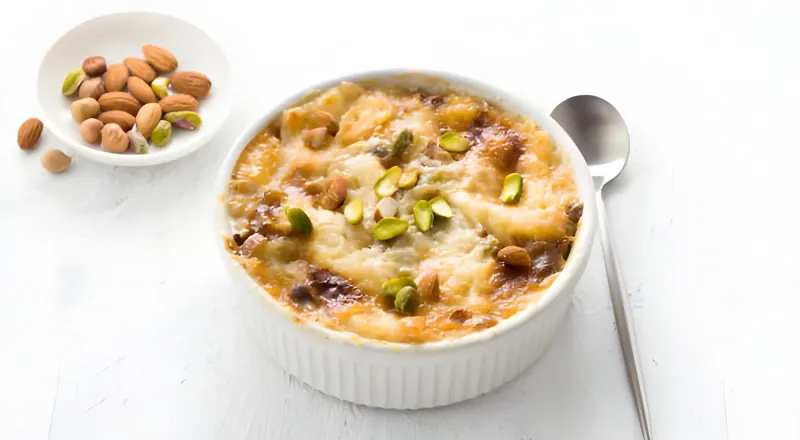
Om Ali Recipe and History: Egypt’s Iconic Dessert Unveiled
Om Ali, Egypt’s beloved bread pudding dessert, is a creamy, flaky, and nut-studded treat that combines layers of pastry, milk, and sugar, baked until golden and bubbling. Its origins are steeped in medieval intrigue, and today, Om Ali is served at celebrations, family gatherings, and luxury hotels across Egypt, making it a must-try for any traveler seeking authentic Egyptian cuisine.
Key Takeaways
- Om Ali is a traditional Egyptian dessert made from pastry, milk, nuts, and sugar, often served warm.
- The dish’s origins date back to the 13th century and are tied to a dramatic episode in Egyptian history.
- Modern Om Ali uses puff pastry, but the original version was made with torn flatbread.
- Om Ali is a staple at festive occasions and is commonly found in restaurants and hotels throughout Egypt.
- Vegetarian-friendly variations are available, but classic recipes contain dairy products.
The Legendary Origins of Om Ali: A Dessert Born of History
Om Ali, which translates to “Mother of Ali” in Arabic, is more than a dessert; it’s a story passed down through generations. The most widely accepted tale traces its roots to the Mamluk era in the 13th century. After the death of Sultan Ezz El-Din Aybak, his wife Shajar al-Durr orchestrated a plot that led to her own downfall. Om Ali, the sultan’s first wife, celebrated her rival’s demise by commissioning the creation of a dessert to distribute among the people, marking the birth of Om Ali. This tale gives the dish its name and its place in Egyptian folklore.
For travelers fascinated by Egypt’s rich history, understanding the story behind Om Ali adds depth to every bite. If you’re planning to explore more about Egypt’s storied past, consider reading about top day trips from Cairo for immersive historical experiences.
Om Ali Ingredients: Traditional vs. Modern Variations
While Om Ali’s essence remains unchanged, the ingredients have evolved. The original recipe called for torn pieces of dry flatbread (such as baladi bread), mixed with milk, sugar, and nuts. Today, most Egyptian households and restaurants use puff pastry or croissant pieces for a richer texture. The dessert is then layered with a medley of nuts—typically pistachios, almonds, and hazelnuts—along with coconut flakes and raisins. Sweetened milk or cream is poured over, and the dish is baked until golden and bubbling.
For visitors with dietary preferences, it’s helpful to know that Om Ali is naturally vegetarian but contains dairy. Many luxury hotels offer a twist on the classic, adding whipped cream or even ice cream for a contemporary touch. If you’re curious about local customs when dining, our guide to Egypt travel etiquette can help you navigate traditional meals with confidence.
How to Make Om Ali: Step-by-Step Authentic Recipe
Ingredients You’ll Need
To prepare a classic Om Ali at home, gather the following:
- 500g puff pastry or 4 large croissants
- 1 liter whole milk
- 1 cup sugar
- 1/2 cup mixed nuts (pistachios, almonds, hazelnuts)
- 1/4 cup shredded coconut
- 1/4 cup raisins
- 1 teaspoon vanilla extract
- 1/2 cup heavy cream (optional for a richer topping)
Preparation Method
- Preheat your oven to 200°C (390°F).
- Tear the puff pastry or croissants into bite-sized pieces and place them evenly in a baking dish.
- Sprinkle the nuts, coconut, and raisins over the pastry layer.
- In a saucepan, heat the milk and sugar together, stirring until the sugar dissolves. Add vanilla extract.
- Pour the hot milk mixture over the pastry and nuts, ensuring everything is soaked.
- If desired, spread heavy cream on top for extra richness.
- Bake for 20–25 minutes, or until the top is golden and bubbling.
- Serve warm, straight from the oven.
Om Ali is often enjoyed after a festive meal or as a sweet ending to a special occasion. If you’re planning to enjoy authentic Egyptian cuisine during your travels, check out our advice on what not to do in Egypt to make the most of your culinary adventures.
Where to Try Om Ali in Egypt: From Street Cafés to Luxury Hotels
Om Ali is a staple on dessert menus across Egypt, from humble street cafés to five-star hotels. In Cairo, renowned establishments like the Marriott Mena House and the Four Seasons serve elevated versions of this classic. Local bakeries and traditional Egyptian restaurants also offer homemade Om Ali, often with their own secret blend of nuts and spices. Sampling the dessert in different settings gives visitors a true sense of its versatility and cultural significance.
For those with limited time, our guide on how to visit Egypt on a two-day stopover highlights where you can experience authentic Egyptian flavors, including Om Ali, even on a short trip.
Om Ali and Egyptian Festivities: A Dessert for All Occasions
Om Ali is more than a sweet treat; it’s a symbol of celebration. Egyptians serve it during religious holidays like Eid, at weddings, and during Ramadan iftar dinners. The communal aspect of Om Ali—baked in large pans and shared among many—reflects the warmth and hospitality of Egyptian culture. Its comforting flavors and rich history make it a favorite for both locals and visitors alike.
If you’re interested in the practicalities of travel, such as local currency and tipping, our article on how much cash do you really need in Egypt is an essential read before you set out to sample Egypt’s culinary delights.
Om Ali vs. Other Egyptian Desserts: A Comparative Table
| Dessert | Main Ingredients | Texture | Typical Occasions |
|---|---|---|---|
| Om Ali | Puff pastry, milk, sugar, nuts, coconut, raisins | Creamy, flaky, nutty | Eid, Ramadan, weddings, family gatherings |
| Basbousa | Semolina, yogurt, sugar syrup, coconut | Moist, grainy, syrupy | Religious holidays, celebrations |
| Knafeh | Shredded phyllo, cheese or cream, sugar syrup | Crispy, creamy | Ramadan, special occasions |
| Roz Bel Laban | Rice, milk, sugar, vanilla | Silky, smooth | Everyday dessert, family meals |
Each of these desserts tells a story of Egyptian hospitality and tradition. If you are curious about the language of menus and communication, our article on what language is spoken in Egypt will help you navigate local eateries with ease.
Tips for Enjoying Om Ali Like a Local
- Om Ali is best enjoyed fresh from the oven, when the top is golden and the milk is still bubbling.
- Pair it with a cup of strong Egyptian tea or Arabic coffee for a true local experience.
- Don’t hesitate to ask for extra nuts or a drizzle of cream if you’re at a restaurant.
- Sharing Om Ali with friends or family is part of the tradition—order a large portion and enjoy together.
If you’re keen to explore Egypt beyond its cuisine, learning about how to travel Egypt by train offers a unique perspective on the country’s landscapes and local life.
Bringing Om Ali Home: Making Memories Last
Recreating Om Ali in your own kitchen is a delicious way to relive your Egyptian adventures. The simplicity of its ingredients and the warmth of its story make it a dessert that transcends borders. Whether you follow a traditional recipe or add your own twist, Om Ali will always evoke the spirit of Egyptian hospitality and celebration.
Before you embark on your culinary journey, avoid common pitfalls by reading about booking mistakes Egypt tours to ensure a seamless and enjoyable trip.
FAQ: Om Ali Recipe and History
What is Om Ali made of?
Om Ali is made of layers of puff pastry or croissants, milk, sugar, mixed nuts, coconut, and raisins, all baked until golden and creamy.
Where did Om Ali originate?
Om Ali originated in Egypt during the Mamluk era, linked to a 13th-century historical event involving royal intrigue and celebration.
Is Om Ali vegetarian?
Om Ali is vegetarian as it contains no meat or gelatin, but it does include dairy products such as milk and cream.
Can I find Om Ali outside of Egypt?
Om Ali can be found in Egyptian restaurants worldwide, but the most authentic versions are served in Egypt’s hotels and local eateries.
When is Om Ali typically served?
Om Ali is typically served during festive occasions like Eid, Ramadan, weddings, and large family gatherings.