Women’s Rights In Egypt: Progress, Challenges, and Cultural Perspectives
Women’s rights in Egypt are shaped by thousands of years of history, deep-rooted cultural traditions, religious influences, and modern legal reforms. From the powerful queens of ancient times to today’s female ministers, entrepreneurs, and activists, Egyptian women have played vital roles in shaping the nation. Yet like many societies, Egypt continues to navigate the balance between tradition and transformation.
Travelers often ask about gender equality, safety, dress codes, employment opportunities, and the everyday experiences of women. These questions reflect genuine curiosity and a desire to understand the country beyond the headlines. When visitors explore Egypt through meaningful cultural encounters such as Cultural Tours Egypt, they gain firsthand insight into how women contribute to family life, business, education, and the arts.
Understanding women’s rights in Egypt requires looking at both the legal framework and social reality. The country has introduced constitutional protections, anti-harassment laws, and expanded political representation for women. At the same time, traditions and regional differences influence how rights are experienced in daily life. Whether you are planning a journey through Egypt Tours or simply researching modern Egyptian society, this guide offers a balanced and in-depth look at where women’s rights stand today.
The Historical Roots of Women’s Rights In Egypt
To understand women’s rights in Egypt today, it helps to begin with ancient civilization. Unlike many ancient societies, women in Pharaonic Egypt could own property, initiate divorce, inherit wealth, and run businesses. Queens such as Hatshepsut and Nefertari left lasting political and architectural legacies.
Sites like Temple Of Hatshepsut in Luxor stand as powerful reminders that women once ruled as pharaohs. Exploring the tombs in Valley Of The Queens further highlights the prestige and reverence granted to royal women.
However, women’s status evolved through the Greco-Roman, Islamic, and Ottoman periods. Legal systems and social norms shifted over centuries. Modern feminism in Egypt emerged in the late 19th and early 20th centuries, led by pioneering activists who advocated for education and suffrage.
Legal Rights of Women in Modern Egypt
Constitutional Protections and Political Participation
The Egyptian constitution guarantees equality before the law and prohibits discrimination based on gender. In recent years, parliamentary quotas have increased female representation in government. Women now serve as ministers, ambassadors, and judges.
This political visibility signals progress. Yet implementation and social acceptance vary across regions. Urban centers such as Cairo and Alexandria City often reflect more visible female participation in public life compared to some rural communities.
Marriage, Divorce, and Family Law
Family law in Egypt is influenced by religious principles. Women have the right to seek divorce, retain custody of young children, and negotiate marriage contracts. Reforms over the past two decades have strengthened legal pathways for women seeking protection.
However, procedures can be complex and time-consuming. Advocacy groups continue to push for clearer, more equitable reforms that support women navigating family courts.
Education and Economic Empowerment
Education is one of the most significant indicators of progress in women’s rights in Egypt. Female literacy rates have improved substantially, and women now make up a large percentage of university students. Fields such as medicine, engineering, and business increasingly include female graduates.
Economic empowerment, however, remains a challenge. While many women work in healthcare, education, tourism, and entrepreneurship, overall labor force participation is still lower than global averages. Initiatives supporting startups and small enterprises are gradually expanding opportunities.
Tourism itself creates employment pathways. Women work as guides, hospitality managers, artisans, and conservation specialists, especially in cultural hubs like Luxor City and Aswan City.
Women’s Safety and Public Life
Safety is one of the most searched topics related to women’s rights in Egypt. The government has introduced stricter anti-harassment laws and increased public awareness campaigns. In major tourist areas, security presence is visible and structured.
Travelers can review practical insights through resources such as Egypt Travel Safety and dedicated advice for Solo Female Travel Egypt. These guides help set realistic expectations and provide actionable tips.
For added comfort, many visitors choose structured itineraries such as Egypt Tours for Solo Woman, designed with private transfers, vetted accommodations, and experienced guides.
Cultural Expectations and Dress Code
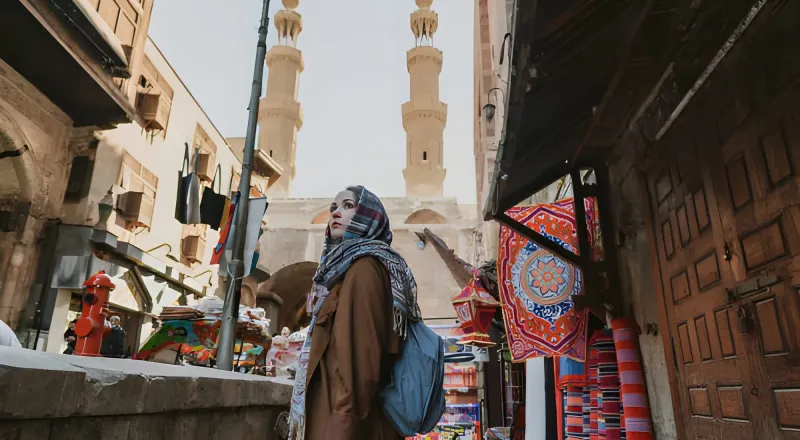
Egypt is culturally diverse. In metropolitan areas, clothing styles range from Western fashion to traditional attire. In conservative communities, modest dress is more common.
Visitors frequently ask what is appropriate to wear. Practical guidance is available in What To Wear In Egypt, which outlines how to balance comfort with cultural respect.
Understanding local customs fosters positive interactions. Egyptians are known for hospitality, and modesty is generally appreciated regardless of gender.
Women in Tourism and Travel Experiences
Tourism provides a unique window into how women’s rights in Egypt intersect with daily life. Female tour guides, Egyptologists, and hospitality professionals are increasingly visible. Travelers engaging in Cairo Day Tours may meet knowledgeable women leading historical discussions at museums and archaeological sites.
Nile cruising is another space where women contribute professionally, from guest relations managers to onboard entertainers. Options such as Best Nile River Cruises and boutique experiences like Dahabiya Nile cruises highlight inclusive work environments in the tourism sector.
Travelers seeking deeper understanding often combine historical exploration at The Grand Egyptian Museum with conversations about Egypt’s evolving society.
Urban vs Rural Perspectives on Women’s Rights
Women’s rights in Egypt are not experienced uniformly. Urban centers tend to offer greater access to education, corporate employment, and civil society organizations. Rural areas may prioritize traditional family structures and agricultural livelihoods.
Exposure to different regions during itineraries like 8 Day Cairo and Nile Cruise Tour reveals these contrasts firsthand. Visitors often notice how lifestyle shifts between bustling Cairo and tranquil Nile villages.
Challenges Facing Women in Egypt Today
Despite progress, challenges remain. Gender wage gaps, limited childcare infrastructure, and social expectations can restrict career growth. Advocacy organizations continue working to expand legal literacy and economic access for women.
Media representation and youth engagement are slowly reshaping narratives. Educational campaigns address early marriage, workplace equality, and health awareness. Social media has amplified women’s voices across Egypt’s diverse communities.
Why Understanding Women’s Rights In Egypt Matters for Travelers
Travel becomes more meaningful when it moves beyond monuments. While marveling at The Great Pyramids Of Giza, visitors can also reflect on how ancient and modern Egypt intersect.
Choosing responsible operators, learning basic etiquette, and engaging respectfully with local women enrich the travel experience. Informed travelers not only see Egypt but understand it. And understanding women’s rights in Egypt is a key part of appreciating the country’s evolving identity.
Frequently Asked Questions About Women’s Rights In Egypt
1. Are women legally equal to men in Egypt?
The Egyptian constitution guarantees equality before the law regardless of gender. Women have rights to education, property ownership, political participation, and legal recourse against harassment. However, some aspects of family law and workplace participation continue to evolve, and social customs may influence how equality is practiced in daily life.
2. Is Egypt safe for solo female travelers?
Many women travel safely throughout Egypt each year. Major tourist destinations maintain visible security, and guided tours offer structured support. Planning ahead, dressing modestly, and using reputable tour operators significantly enhance comfort and safety.
3. Can women work in all professions in Egypt?
Women in Egypt work in government, medicine, law, engineering, tourism, media, and entrepreneurship. While certain sectors have higher female representation than others, legal barriers to most professions have been reduced, and female leadership continues to expand.
4. Do women in Egypt have access to education?
Yes. Female enrollment in primary, secondary, and higher education has grown substantially. Universities across the country graduate large numbers of women annually, particularly in urban areas. Education remains one of the strongest pillars of progress in women’s rights in Egypt.
5. What should female tourists wear in Egypt?
Modest clothing that covers shoulders and knees is generally recommended, especially in religious sites and rural areas. In beach resorts, attire is more relaxed. Respecting local customs fosters positive interactions and demonstrates cultural awareness.
6. How are women represented in Egyptian politics?
Women hold seats in parliament and serve in ministerial roles. Gender quotas have increased political representation, and advocacy efforts continue to encourage broader participation at local and national levels.
Women’s rights in Egypt reflect a nation balancing heritage and modernization. From ancient queens to contemporary leaders, Egyptian women have shaped the country’s story for millennia. By approaching the topic with openness and context, travelers gain a deeper, more authentic understanding of Egypt beyond its iconic landmarks.