Ancient Egyptian Art Animals: Sacred Symbols, Powerful Gods, and Timeless Masterpieces
Step into any temple, tomb, or museum gallery in Egypt and you will immediately notice one striking feature: animals are everywhere. Lions guard gateways, falcons soar across temple walls, jackals stand watch over the dead, and sacred cows nourish the divine. Ancient Egyptian art animals were not decorative afterthoughts. They were powerful symbols woven into religion, politics, daily life, and the afterlife. Each carefully carved relief and painted scene carried meaning that still fascinates travelers and historians today.
For the ancient Egyptians, animals represented strength, protection, fertility, chaos, and cosmic order. They embodied gods, guided souls, and expressed royal authority. When you stand before the majestic Sphinx Statue, you are not just looking at a monument—you are witnessing the fusion of human intelligence and lion power in stone. Animal imagery helped define how Egyptians understood the universe and their place within it.
Exploring these sacred creatures in context transforms your journey. From temple walls in Luxor City to artifacts displayed inside The Grand Egyptian Museum, animal art reveals stories of devotion, myth, and royal propaganda. If you are planning immersive cultural journeys such as Ancient Egypt Tours, understanding animal symbolism will deepen every temple visit and museum stop. This guide uncovers the meaning, craftsmanship, and spiritual significance behind ancient Egyptian art animals—so you can see far beyond the surface.
The Sacred Role of Animals in Ancient Egyptian Art
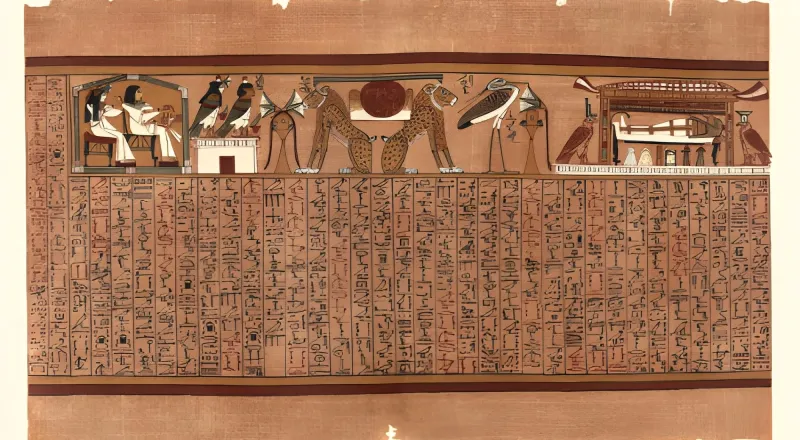
Ancient Egyptian artists did not randomly choose animals. Every species carried symbolic weight. The falcon symbolized the sky and divine kingship. The lion represented strength and solar power. The crocodile embodied both danger and protection. By studying these images, we gain insight into Egyptian theology and political ideology.
Temple reliefs at Karnak Temple show gods with animal heads and human bodies, merging earthly and divine qualities. These composite forms expressed complex beliefs in a visual language accessible to all, even those who could not read hieroglyphs. Animal forms also appeared in jewelry, amulets, furniture, and cosmetics, reflecting how deeply symbolism shaped daily life.
If you are mapping out cultural exploration routes, resources like How To Plan A Trip To Egypt help you align temple visits with museum experiences, ensuring you encounter the most powerful examples of sacred animal iconography.
Animal Gods and Hybrid Deities in Egyptian Iconography
Anubis: The Jackal Guardian of the Afterlife
Anubis, depicted as a jackal or a man with a jackal head, presided over mummification and protected tombs. In funerary art, he appears attending to the deceased or guiding souls toward judgment. His sleek black form symbolized regeneration and the fertile Nile soil.
To understand the deeper meaning behind this powerful imagery, explore the symbolism explained in Anubis Symbol. Tomb paintings in The Valley Of The Kings vividly portray Anubis performing sacred rites, reinforcing his essential role in the journey to eternity.
Horus: The Falcon of Kingship
Horus, the falcon-headed sky god, represented divine kingship and protection. Pharaohs aligned themselves with Horus, often depicted as a falcon perched behind the royal head. This artistic choice was political and spiritual, legitimizing rule through divine association.
Travelers on Best Nile River Cruises frequently encounter Horus imagery at riverside temples, where falcon statues still gaze across the Nile as they did thousands of years ago.
Hathor: The Sacred Cow Goddess
Hathor appeared as a cow or as a woman with cow horns framing a solar disk. She symbolized motherhood, music, joy, and cosmic nourishment. Temple ceilings often display her serene bovine face emerging from papyrus columns, blending nature with architecture.
Her presence reminds us that ancient Egyptian art animals were not only fierce and protective but also nurturing and life-giving.
Real Animals in Tomb Paintings and Daily Life Scenes
Beyond gods and hybrids, artists meticulously depicted real animals—cats lounging beneath chairs, hunting dogs chasing gazelles, oxen plowing fields, and birds fluttering over marshes. These scenes were not merely decorative; they ensured abundance in the afterlife.
The precision of these portrayals reveals careful observation of anatomy and behavior. Cats, revered for their grace and protective qualities, appear frequently in domestic scenes. Hunting reliefs demonstrate movement and energy, capturing the rhythm of life along the Nile.
For those seeking immersive storytelling inside tombs and temples, Luxor Day Tours provide guided interpretations that bring these animal scenes vividly to life.
Materials and Techniques Used in Animal Art
Stone Carving and Monumental Sculpture
Granite, limestone, and sandstone formed the backbone of monumental animal sculptures. Artists carved with copper and stone tools, polishing surfaces to achieve lifelike textures. Massive statues of lions and rams lined temple avenues, reinforcing sacred boundaries.
Wall Reliefs and Pigments
Artists applied mineral-based pigments to carved reliefs, creating bold contrasts. Blue symbolized divinity and the heavens; gold evoked the eternal flesh of the gods. Even today, remnants of color remain visible in protected tombs.
Precious Metals and Amulets
Small animal amulets made of gold, faience, and semi-precious stones served as protective charms. These miniature masterpieces combined artistry with spiritual function, often placed within mummy wrappings.
If you are fascinated by these intricate objects, Real Ancient Egyptian Artifacts offers deeper insight into surviving treasures and their symbolic value.
Where to See the Finest Examples of Ancient Egyptian Animal Art
Egypt offers unparalleled access to authentic masterpieces. The colossal Sphinx at Giza remains the most iconic fusion of human and animal form. In Luxor, temple walls unfold like illustrated manuscripts carved in stone. Museums display delicate statues of cats, ibises, and crocodiles that once occupied sacred spaces.
Exploring these sites through curated itineraries such as Luxury Egypt Tour Package experiences allows you to discover artistic treasures in comfort and depth. Whether wandering independently or joining expertly guided programs like 8 Day Cairo and Nile Cruise Tour, encountering ancient Egyptian art animals in their original settings transforms admiration into understanding.
Why Ancient Egyptian Animal Art Still Fascinates Modern Travelers
Ancient Egyptian art animals continue to captivate because they speak a universal visual language. Strength, loyalty, motherhood, danger, protection—these themes transcend time. The combination of realism and symbolism creates images that feel both earthly and divine.
Modern explorers often discover that understanding animal symbolism enhances appreciation of temple reliefs, royal tombs, and museum displays. It also reveals how ancient Egyptians viewed harmony between humanity and nature. That harmony, carved in stone and painted on plaster, remains one of Egypt’s most powerful legacies.
Frequently Asked Questions About Ancient Egyptian Art Animals
Why were animals so important in ancient Egyptian art?
Animals symbolized divine powers, natural forces, and human virtues. Egyptians believed gods could manifest through animal forms, so artists used these images to express protection, authority, fertility, and cosmic balance. Depicting animals in tombs also ensured sustenance and safety in the afterlife.
Which animal appears most frequently in Egyptian art?
The falcon, jackal, lion, and cow are among the most common. The falcon represented Horus and kingship, the jackal symbolized Anubis and protection of the dead, lions conveyed strength, and cows embodied Hathor’s nurturing qualities. Each appeared in both monumental sculpture and small amulets.
Where can I see authentic ancient Egyptian animal statues today?
You can view remarkable examples in major museums and temple complexes across Egypt. The Grand Egyptian Museum houses countless statues and amulets, while Luxor’s temples display large-scale carvings in their original architectural context.
Did ancient Egyptians worship animals?
They did not worship animals themselves but revered the divine forces they represented. Certain animals were considered sacred because they embodied aspects of specific gods. Sacred animals were often cared for in temple precincts and honored through ritual practices.
How can I explore Egyptian animal art in depth during my trip?
Choose itineraries that combine museum visits, temple explorations, and expert guides who explain symbolism. Cultural-focused tours and Nile cruises provide access to key sites where animal imagery remains vividly preserved, allowing you to connect mythology, art, and history in a meaningful way.