Best Souvenirs From Egypt That Are Not Tourist Traps
The best souvenirs from Egypt that are not tourist traps include handwoven textiles, artisanal jewelry, authentic spices, quality alabaster, and locally-crafted pottery. Seek out items made by Egyptian artisans using traditional methods to ensure authenticity and value, and avoid mass-produced trinkets commonly found at major tourist sites.
Key Takeaways
- Handwoven textiles such as kilims and scarves are crafted in Egyptian villages using traditional looms and natural dyes.
- Authentic Egyptian jewelry often features motifs like scarabs and lotus flowers, crafted in silver or gold by skilled artisans.
- Spices from local souks, including hibiscus and dukkah, offer a genuine taste of Egypt and are widely used in Egyptian cuisine.
- Alabaster vases and bowls from Luxor are handmade and far superior to resin imitations sold at tourist stalls.
- Official museum shops and established bazaars are the best places to find genuine, non-mass-produced Egyptian souvenirs.
Egypt’s vibrant markets and artisan workshops are a treasure trove for travelers seeking memorable, meaningful souvenirs that go beyond the cliché. Instead of settling for generic pyramids and plastic pharaohs, discerning visitors can discover a wealth of authentic items that showcase Egypt’s rich cultural heritage. From intricate handwoven textiles to fragrant local spices, these keepsakes carry the essence of Egypt’s artistry and history—making them far more valuable than any mass-produced trinket. This guide reveals how to identify and source the best souvenirs from Egypt that are not tourist traps, offering practical tips and insider recommendations for a truly rewarding shopping experience.
Shopping for souvenirs in Egypt is an adventure in itself. The country’s bazaars, such as Cairo’s Khan El Khalili and Luxor’s souks, are bustling with color, sound, and the irresistible scent of spices. Yet, with every genuine treasure, there are dozens of knockoffs and factory-made goods vying for your attention. The secret to finding the best souvenirs is knowing where to look and what to look for. Whether you want to bring home a piece of Egyptian history, a taste of its cuisine, or a handcrafted work of art, this article will help you shop smart, avoid common pitfalls, and return with souvenirs you’ll cherish for years.
Before you start your shopping journey, it’s wise to familiarize yourself with a few essentials about Egyptian culture and etiquette. Understanding local customs can enrich your experience and help you navigate the markets with confidence. For a deeper dive into cultural norms, see our guide on Egypt travel etiquette.
Handwoven Textiles: Kilims, Scarves, and More
Egypt’s tradition of textile weaving stretches back millennia. Today, villages across the Nile Delta and Upper Egypt produce exquisite handwoven kilims (flat-woven rugs), shawls, and scarves using ancient techniques. These textiles are often made from cotton or wool and dyed with natural pigments, resulting in vibrant colors and unique patterns. Look for pieces with tight, even weaves and natural fibers—signs of genuine craftsmanship. Avoid machine-made imitations, which lack the character and durability of authentic Egyptian textiles. For the best selection, visit artisan cooperatives or reputable shops in Cairo and Aswan, where you can sometimes watch the weaving process firsthand.
Jewelry: Silver, Gold, and Ancient Motifs
Egyptian jewelry is renowned for its intricate designs and symbolic motifs, such as scarabs, lotus flowers, and cartouches inscribed with hieroglyphs. Skilled artisans in Cairo’s old city and Luxor’s workshops create beautiful pieces in silver and gold, often using traditional methods passed down through generations. Authentic Egyptian jewelry is typically stamped with a hallmark indicating its metal content. Avoid cheap, mass-produced pieces that may be gold-plated or made from base metals. To learn more about the language and symbols you might encounter on jewelry, explore our article on what language is spoken in Egypt.
Spices and Culinary Souvenirs
Egyptian cuisine is rich in flavor, and bringing home a selection of local spices is a delicious way to remember your trip. Souks across Egypt offer aromatic blends such as dukkah (a mix of nuts, seeds, and spices), hibiscus petals for karkadeh tea, cumin, and coriander. Purchase spices from established market stalls with high turnover to ensure freshness. Many vendors will let you sample or smell before you buy. For those interested in Egyptian desserts, consider picking up the ingredients for Om Ali, Egypt’s beloved bread pudding—see our Om Ali recipe and history for inspiration.
Alabaster and Stoneware: Artistry from Luxor
In the villages around Luxor, artisans have been crafting alabaster vases, bowls, and statues for centuries. Genuine alabaster is cool to the touch, slightly translucent, and has a unique veining pattern. Many tourist stalls sell resin or plastic imitations, so always ask to see the workshop or request a demonstration. Authentic alabaster is heavier and more fragile than synthetic alternatives. For a comparison of travel options to Luxor, see our guide on how to travel Egypt by train.
Pottery and Ceramics: Functional Art
Egyptian pottery is both beautiful and practical, often featuring hand-painted geometric or floral designs. Cities like Fayoum are renowned for their ceramics, which range from elegant tableware to decorative pieces. Look for pottery that is signed or stamped by the maker, and avoid items with uniform patterns or glossy finishes, which may indicate mass production. Buying directly from pottery villages supports local artisans and guarantees authenticity.
Perfume Oils and Glass Bottles
Perfume making is an ancient Egyptian art, and today, many workshops in Cairo and Luxor offer pure essential oils derived from flowers and herbs. These oils are often sold in delicate, hand-blown glass bottles—a souvenir in their own right. Be cautious of vendors selling synthetic fragrances; genuine oils are rich, long-lasting, and free from alcohol. Visit established perfume houses or ask for recommendations from your guide or hotel.
Papyrus Art: Ancient Technique, Modern Designs
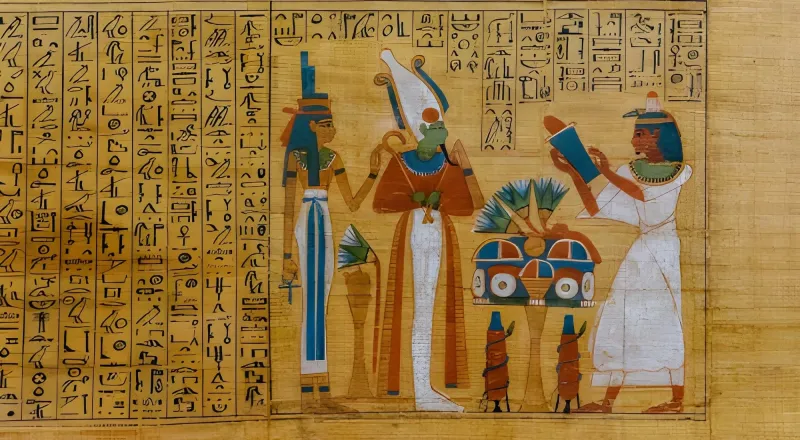
Papyrus, the world’s first paper, was invented in ancient Egypt and remains a popular souvenir. Authentic papyrus is made from the pith of the papyrus plant and has a textured, fibrous surface. Many shops sell artwork depicting pharaonic scenes, gods, and hieroglyphs. To avoid buying banana leaf imitations, purchase from reputable papyrus institutes where you can see the production process and receive a certificate of authenticity. For tips on making the most of a short trip, read our guide on how to visit Egypt on a two-day stopover.
Where to Buy Authentic Egyptian Souvenirs
Shopping smart in Egypt means choosing your vendors wisely. Official museum shops, artisan cooperatives, and established bazaars are your safest bet for quality, authentic items. While haggling is part of the experience, be respectful and informed about fair pricing. For more on handling money in Egypt, see our essential guide on how much cash do you really need in Egypt.
Comparing Genuine vs. Tourist Trap Souvenirs
| Souvenir Type | Authentic Source | Tourist Trap Warning Signs |
|---|---|---|
| Textiles (Kilims, Scarves) | Village workshops, artisan cooperatives | Machine-made, synthetic fibers, uniform patterns |
| Jewelry | Gold/silver shops, certified artisans | Gold-plated or base metal, no hallmark, mass production |
| Spices | Local souks, high-turnover stalls | Pre-packaged, faded color, no aroma |
| Alabaster | Luxor workshops, artisan studios | Plastic/resin, lightweight, glossy finish |
| Papyrus | Papyrus institutes, certified shops | Banana leaf, overly smooth texture, no demo |
Souvenir Shopping Tips for a Safe and Rewarding Experience
To avoid disappointment, always ask about the origin of the item, request to see the production process if possible, and check for signs of authenticity such as maker’s marks or certificates. Be wary of aggressive sales tactics at major tourist sites. Remember, per the Ministry of Tourism and Antiquities, photography with your mobile phone is free of charge at Ministry sites, making it easy to document your favorite finds. Also, ticket prices at monuments are published in Egyptian Pounds (EGP), and self-service machines at Giza accept bank cards for site tickets. Official fees and hours are revised periodically, so always check the latest information before visiting or purchasing.
For further guidance on avoiding common pitfalls, see our article on booking mistakes Egypt tours and learn what not to do in Egypt by reading what NOT to do in Egypt.
FAQ: Best Souvenirs From Egypt That Are Not Tourist Traps
What is the most authentic Egyptian souvenir to buy?
The most authentic Egyptian souvenirs are handwoven textiles, artisanal jewelry, genuine alabaster from Luxor, and locally produced spices, all crafted by Egyptian artisans using traditional methods.
How can I tell if a souvenir is mass-produced or handmade?
Handmade souvenirs have unique imperfections, maker’s marks, and are often sold in artisan cooperatives or workshops, while mass-produced items are uniform, lightweight, and widely available at tourist stalls.
Are spices from Egyptian markets safe to bring home?
Spices purchased from established souks or reputable stalls are safe to bring home, but always check your country’s customs regulations before importing food products.
Is it safe to buy jewelry in Egyptian markets?
It is safe to buy jewelry from certified shops and established artisans where items are hallmarked and the seller is reputable; avoid street vendors selling cheap, gold-plated pieces.
What payment methods are accepted for souvenirs in Egypt?
At Giza, self-service machines accept bank cards for site tickets, but many markets and smaller shops prefer cash in Egyptian Pounds (EGP), so carry local currency for purchases.