
Sehel Island In Aswan: Rock Inscriptions And Nubian Village Life
Sehel Island in Aswan is renowned for its ancient rock inscriptions and vibrant Nubian village life, offering visitors a unique blend of archaeology and authentic culture. The island, located just north of the First Cataract of the Nile, is a treasure trove for history enthusiasts and travelers seeking a genuine encounter with Nubian traditions and daily rhythms.
Key Takeaways
- Sehel Island is famous for hundreds of ancient Egyptian inscriptions carved into its granite boulders.
- The island is home to a living Nubian community, preserving traditional architecture and customs.
- Access to Sehel Island is by boat from Aswan, making it an intimate and tranquil destination.
- Photography with mobile phones is free of charge at Ministry sites, including Sehel Island, per the Ministry's official ticketing service.
- Free entry is granted for children under 6 and Egyptians with special needs, but always check for updated policies before visiting.
Discovering Sehel Island: An Introduction
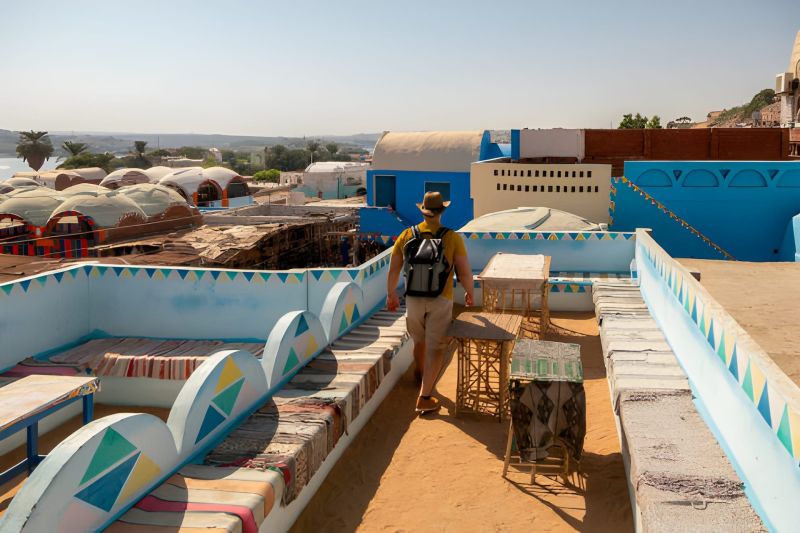
Sehel Island, known in Arabic as "Geziret Sehel," sits at the northern edge of Aswan, where the Nile splits around granite outcrops. This island is a living museum, where ancient and modern worlds meet. Its granite rocks are inscribed with messages from pharaohs, priests, and travelers dating back thousands of years. Beyond its archaeological wonders, Sehel Island is cherished for its Nubian village, where mud-brick houses painted in bright colors line the riverbank, and daily life flows to the rhythm of the Nile.
Unlike the more commercialized sites in Egypt, Sehel Island offers a peaceful environment where visitors can explore at their own pace. The journey to the island, typically by small boat from Aswan, adds to the sense of adventure and exclusivity. Sehel’s combination of natural beauty, historical significance, and living culture makes it a must-visit for discerning travelers seeking an immersive Egyptian experience.
The Ancient Rock Inscriptions of Sehel Island
Sehel Island is best known for its remarkable collection of ancient rock inscriptions. These carvings, etched into the island’s granite boulders, span from the Old Kingdom to the Greco-Roman period. Many inscriptions commemorate journeys through the First Cataract, a historically challenging stretch of the Nile, or record prayers and dedications to the goddess Anuket, protector of the cataract region.
Among the most significant is the Famine Stela, a Ptolemaic-era inscription that recounts a seven-year famine during the reign of Pharaoh Djoser. The stela blends myth, history, and royal decree, making it a fascinating narrative for both scholars and casual visitors. Exploring the rocks, visitors can find hundreds of other inscriptions, some left by officials marking their expeditions, others by travelers seeking divine favor.
Nubian Village Life: Culture and Traditions
Beyond its archaeological treasures, Sehel Island is home to a thriving Nubian community. The Nubians, indigenous to southern Egypt and northern Sudan, have preserved their language, music, and architectural styles despite centuries of change. On Sehel Island, visitors can observe traditional mud-brick homes adorned with geometric patterns and vibrant colors, reflecting the Nubian spirit.
Daily life on the island is intimately connected to the Nile. Fishing, farming, and small-scale crafts sustain the community. Guests are often welcomed with Nubian hospitality—sharing tea, tasting homemade bread, or learning about local customs. The village atmosphere is tranquil, offering a refreshing contrast to the bustle of central Aswan City while remaining just a short boat ride away.
For those interested in deeper cultural immersion, guided tours or homestays can be arranged. The island’s residents are proud to share their heritage, making it a rewarding destination for travelers seeking authentic connections. Exploring Sehel also provides insight into the broader tapestry of Nubian life, which can be further discovered in destinations like the Nubian Village on the west bank of Aswan.
Getting to Sehel Island and Practical Tips
Sehel Island is accessible only by boat, with small feluccas or motorboats departing from Aswan’s corniche. The journey offers scenic views of the Nile and its granite islands, setting the stage for your visit. While there is no fixed schedule, local boatmen can be hired for a round trip, and the ride typically takes 20–30 minutes.
There is no formal ticket office on Sehel Island, and entry policies may change, so it is advisable to check with your guide or the official ticketing portal for the latest information. According to the Ministry of Tourism and Antiquities, children under 6, Egyptian seniors 60+, Egyptians with special needs, and orphaned children are eligible for free entry at Ministry sites, but always confirm before your visit as exemptions may vary on public holidays or weekends.
Photography with mobile phones is free of charge, allowing you to capture the island’s unique landscapes and vibrant village scenes without additional fees. For those interested in more extensive Nile journeys, consider combining your visit with a luxury Nile cruise for a seamless exploration of Upper Egypt’s treasures.
Nearby Attractions: Elephantine Island and More
Sehel Island is part of a constellation of historic sites in the Aswan region. Just downstream is Elephantine Island, famous for its ancient temples, Nilometer, and archaeological museum. The island provides further insight into Nubian culture and the region’s pivotal role in Egyptian history.
Other nearby highlights include the Unfinished Obelisk, the High Dam, and the Aswan High Dam, each offering a distinct perspective on the area’s past and present. Many travelers choose to join a Nubian Village tour from Aswan to experience the full spectrum of local life and heritage.
When to Visit Sehel Island: Climate and Seasonal Notes
Aswan enjoys a warm, sunny climate year-round, but temperatures can be especially high in summer. For example, the average daily high in May is 39.0°C and in June it rises to 41.2°C, per the World Meteorological Organization. The cooler months from November to March are the most comfortable for exploring the island and its outdoor sites.
Ramadan and public holidays may affect opening hours and exemptions, so always consult the official ticketing portal or your guide for current details. It is recommended to arrive at least one hour before closing time at Ministry sites to ensure a relaxed visit and sufficient time to explore.
Experiencing Sehel Island: What to Expect
Visitors to Sehel Island can expect a blend of history, nature, and cultural immersion. The island’s rock inscriptions provide a direct link to ancient Egypt, while the Nubian village offers a living testament to resilience and tradition. Whether wandering among granite boulders, sharing tea with a local family, or watching the sunset over the Nile, Sehel Island delivers an experience both timeless and deeply personal.
For those seeking to extend their adventure, consider pairing your visit with a Nile cruise itinerary or exploring other unique islands such as Fatnas Island in Siwa. Each destination reveals a different facet of Egypt’s enduring allure.
Frequently Asked Questions
Is there an entrance fee for Sehel Island?
There is no formal ticket office on Sehel Island, and entry fees or policies may change; always check with your guide or the official ticketing portal before visiting.
How do I get to Sehel Island from Aswan?
Sehel Island is reached by boat from Aswan, with feluccas or motorboats available for hire along the corniche; the journey typically takes 20–30 minutes.
What are the main attractions on Sehel Island?
The main attractions are the ancient rock inscriptions, including the Famine Stela, and the vibrant Nubian village where traditional life continues along the Nile.
Can I take photos on Sehel Island?
Photography with mobile phones is free of charge at Ministry sites, including Sehel Island, per the Ministry's official ticketing service; commercial filming requires prior permission.
Is Sehel Island suitable for families?
Sehel Island is a family-friendly destination, offering educational exploration of ancient sites and a welcoming Nubian community; children under 6 are eligible for free entry at Ministry sites, subject to official policies.
Are there guided tours available on Sehel Island?
Guided tours can be arranged through local operators or as part of broader Aswan excursions, providing in-depth insights into the island’s history and culture.
What is the best time of year to visit Sehel Island?
The most comfortable time to visit Sehel Island is from November to March, when temperatures are milder and outdoor exploration is most enjoyable.