
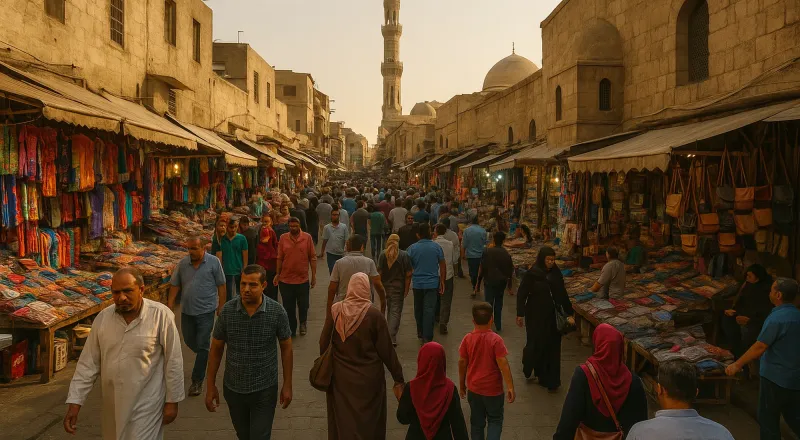
A Beginner’s Guide To Haggling In Egyptian Markets
First-time visitors can expect to haggle for most purchases in Egyptian markets, known as souks, where negotiating prices is both a tradition and a form of social interaction. Start by offering half the initial price, remain friendly yet firm, and be prepared to walk away if needed—this is usually when the best deals emerge.
Key Takeaways
- Bargaining is expected in Egyptian souks (markets) for everything from souvenirs to spices.
- Start negotiations at 50% or less of the initial asking price and work upwards.
- Keep the tone friendly and never show too much eagerness to buy.
- Arabic phrases such as "kam da?" (how much is this?) help break the ice.
- Fixed prices are common in malls and supermarkets, but rare in traditional bazaars.
Egypt’s bustling markets are legendary for their vibrant energy, colorful displays, and the rhythmic hum of negotiation that fills the air. For travelers, haggling is not just a shopping technique—it’s an essential part of the cultural experience. Whether you’re searching for handwoven carpets, intricate brass lanterns, or aromatic spices, learning the art of bargaining will not only save you money but also connect you to the heart of Egyptian daily life. Haggling is woven into the fabric of commerce here, and locals expect visitors to participate. The process is lively, sometimes theatrical, and always rooted in mutual respect. While the idea may seem daunting to newcomers, a few tips and a confident attitude can turn every transaction into a memorable encounter. Understanding the etiquette behind haggling and knowing when to push, when to pause, and when to accept ensures you’ll leave the market with both treasures and stories to tell. Before diving in, it’s helpful to familiarize yourself with local customs, currency, and the language basics that will help you navigate the souk with ease. For a smooth experience, consider brushing up on Egypt travel etiquette before your visit.
Understanding the Culture of Haggling in Egypt
Negotiating prices is a time-honored tradition in Egypt, especially in open-air markets like the Khan el-Khalili in Cairo or the Aswan Souk. Sellers expect a back-and-forth exchange and often inflate their initial prices, anticipating negotiation. This ritual is less about confrontation and more about playful banter, where both parties aim for a mutually satisfying agreement. Egyptians appreciate buyers who engage with good humor and patience, and your willingness to participate is seen as a sign of respect for local customs. While some shops—especially those catering to tourists—may display fixed prices, most stalls in traditional bazaars do not. For insight into how much cash to carry and what denominations are most useful, see How Much Cash Do You Really Need In Egypt?.
Essential Haggling Strategies for Beginners
Start Low, But Stay Respectful
Begin negotiations by offering around half—or even less—of the vendor’s first price. This is not considered rude; it’s the starting point for a lively negotiation. Vendors will counter with a new offer, and the process continues until a compromise is reached. Always keep your tone friendly and your body language open. If you feel uncomfortable or pressured, remember that you can politely decline and walk away—often, this is when the seller will call you back with a better deal.
Learn Key Arabic Phrases
Using simple Arabic phrases can build rapport and demonstrate respect. Try greeting with “salaam alaikum” (peace be upon you) and asking “kam da?” (how much is this?). Even if your pronunciation isn’t perfect, your effort will be appreciated. For more on local language tips, check out What Language Is Spoken In Egypt.
Keep Small Bills Handy
Vendors may claim not to have change for large notes, especially if you’ve agreed on a low price. Carrying small denominations makes transactions smoother and avoids unnecessary complications. For advice on managing your travel funds, revisit How Much Cash Do You Really Need In Egypt?.
What to Expect in Different Types of Markets
Egypt offers a wide range of shopping experiences, from sprawling bazaars to specialized markets and modern malls. In traditional souks, haggling is the norm for everything except food and essentials, where prices are more standardized. Tourist hotspots may have higher starting prices, so extra negotiation is expected. For unique, authentic souvenirs that aren’t tourist traps, browse suggestions in Best Souvenirs From Egypt That Are Not Tourist Traps.
Comparing Market Types
| Market Type | Typical Items | Haggling Expected? | Price Range (EGP) |
|---|---|---|---|
| Traditional Souk | Textiles, spices, jewelry, souvenirs | Yes | 10–3,000 |
| Tourist Bazaar | Papyrus, perfumes, trinkets | Yes (more aggressive) | 50–5,000 |
| Modern Mall | Clothing, electronics | No (fixed prices) | 100–20,000 |
| Supermarket | Food, household goods | No | 5–1,000 |
Common Mistakes to Avoid When Haggling
Many beginners either accept the first price or push too hard, risking offense. Don’t show too much enthusiasm for an item, as this can drive the price up. Avoid arguing or appearing impatient—vendors value friendly negotiation over aggressive bargaining. Learn from others’ experiences and avoid common booking mistakes in Egypt tours to ensure a smooth trip.
When Not to Haggle
Some situations call for restraint. Fixed prices are standard in supermarkets, pharmacies, and government-run shops. In restaurants and cafes, prices are rarely negotiable. It’s also considered inappropriate to haggle for services such as taxis with meters or in settings where prices are clearly marked. For guidance on what behaviors to avoid, see What NOT To Do In Egypt.
Haggling for Experiences and Food
While most haggling takes place over goods, it’s also common when booking private guides, boat rides, or camel tours. Always agree on a price before the service begins, and clarify whether the amount is per person or for the group. When dining, especially at market stalls, prices may be negotiable if not clearly posted. To immerse yourself in local food culture, try classic Egyptian desserts like Om Ali—discover its history and recipe at Om Ali Recipe And History.
Tips for a Rewarding Market Experience
Approach haggling as a conversation rather than a contest. Smile, make small talk, and show genuine interest in the crafts or goods on offer. Vendors often share stories about their products, adding value to your purchase beyond the price tag. If you’re short on time, maximize your visit by planning ahead—see How To Visit Egypt On A Two-Day Stopover for practical tips. Remember, the goal is not just to save money but to enjoy the exchange and return home with meaningful mementos.
Frequently Asked Questions
Is it rude to haggle in Egyptian markets?
Haggling is expected and even encouraged in most Egyptian markets, as it is part of the local culture and business tradition.
How do I know if a price is fair?
A fair price is typically about 50–70% of the initial asking price in most markets; compare prices at several stalls before committing.
Can I haggle in restaurants or hotels?
Prices in restaurants, hotels, and supermarkets are almost always fixed and not open to negotiation.
What should I do if I feel uncomfortable during negotiations?
If you feel uncomfortable, politely thank the vendor and walk away; this is acceptable and sometimes leads to a better offer.
Are there any items or places where haggling is not appropriate?
Haggling is not appropriate in places with clearly marked prices, such as pharmacies, government shops, and modern malls.