Egypt’s Most Beautiful Desert Trails
Egypt’s most beautiful desert trails include the White Desert, Sinai’s Colored Canyon, the Gilf Kebir Plateau, and the Great Sand Sea. Each offers unique landscapes, ancient history, and opportunities for adventure, from surreal chalk formations to dramatic canyons and endless sand dunes. These trails are accessible with guided tours and provide unforgettable experiences for nature lovers and explorers.
Key Takeaways
- The White Desert is famous for its surreal white chalk rock formations shaped by wind erosion.
- The Sinai Peninsula’s Colored Canyon is a narrow gorge with vibrant rock layers and challenging hikes.
- The Great Sand Sea offers vast dune fields ideal for 4x4 safaris and sandboarding adventures.
- The Gilf Kebir Plateau is a remote UNESCO-listed site with prehistoric rock art and dramatic cliffs.
- Official ticket prices for Egyptian monuments are always in Egyptian Pounds (EGP), per the Ministry of Tourism and Antiquities.
Egypt’s deserts are more than just endless sands—they are living museums, shaped by time and nature into some of the world’s most breathtaking landscapes. For the discerning traveler, these trails offer a rare blend of adventure, serenity, and discovery. Whether you’re drawn to the haunting beauty of chalk-white formations, the spiritual aura of ancient trade routes, or the thrill of navigating vast dunes, Egypt’s desert trails promise memories that linger long after the journey ends.
Travelers seeking a deeper connection with the land will find that Egypt’s desert trails reveal stories etched in stone, sand, and silence. From the White Desert’s alien terrain to the mystical canyons of Sinai, each trail is a gateway to both natural wonders and the echoes of ancient civilizations. Guided expeditions, luxury desert camps, and eco-friendly tours ensure a comfortable and immersive experience, even in the heart of the wilderness.
For those planning a journey, it’s essential to understand the unique character of each trail, the best times to visit, and the practicalities of desert travel. With expert guidance and proper preparation, Egypt’s desert adventures become accessible to everyone—from solo explorers to families and luxury seekers. Discover how these trails can transform your perspective on Egypt, far beyond the Nile and its celebrated monuments.
The White Desert: Egypt’s Surreal Chalk Wonderland
The White Desert, located in the Farafra Depression of the Western Desert, is renowned for its dazzling white chalk formations sculpted by millennia of wind and sand. These natural sculptures, resembling giant mushrooms, icebergs, and even mythical creatures, create a landscape unlike anywhere else on Earth. The area is protected as the White Desert National Park, ensuring its otherworldly beauty remains unspoiled for generations.
Most visitors experience the White Desert through overnight camping trips or guided safaris, which allow for stargazing under some of the clearest skies in Egypt. The nearby Bahariya Oasis serves as the main gateway, with local guides offering deep insights into the geology and ecology of the region. For an immersive experience, consider booking the Overnight Safari Trip to Bahariya and White Desert, which includes transportation, meals, and expert guidance.
Highlights of the White Desert Trail
- Iconic chalk formations like “The Mushroom” and “The Chicken.”
- Crystal Mountain, a hill made of sparkling quartz crystals.
- Unique flora and fauna adapted to harsh desert conditions.
- Opportunities for photography, meditation, and desert trekking.
For more on authentic local experiences, see Local Life In Egypt.
The Great Sand Sea: Endless Dunes and Ancient Mysteries
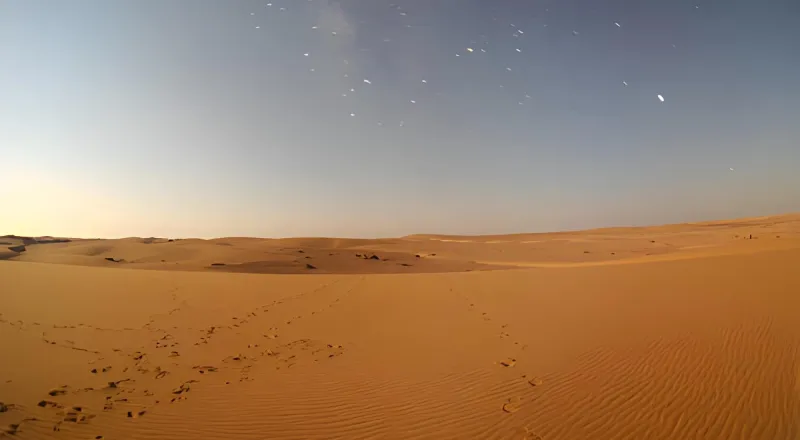
The Great Sand Sea is a vast expanse of rolling dunes stretching between Egypt and Libya. This sea of sand is famous for its dramatic landscapes, golden dunes, and the sense of infinite space it imparts. It is a favorite for adventure seekers, offering activities such as 4x4 off-road safaris, sandboarding, and camel treks. The area is also home to rare geological phenomena like silica glass, formed by ancient meteorite impacts.
Access to the Great Sand Sea is typically organized from the Siwa Oasis, itself a destination rich in Berber culture and history. Expeditions range from day trips to multi-day crossings, each revealing the ever-changing patterns of the dunes and the silence of the desert. For those seeking a more adventurous route, the Egypt Adventure Tours package offers tailored itineraries that include the Great Sand Sea and other iconic desert landmarks.
Why Visit the Great Sand Sea?
- Experience the thrill of navigating North Africa’s largest dune field.
- Discover ancient trade routes and lost oases hidden beneath the sands.
- Enjoy sunrise and sunset over endless waves of golden dunes.
For a deeper understanding of how Egypt’s landscapes have changed over time, read Egypt Then And Now.
Sinai’s Colored Canyon: A Palette of Natural Beauty
The Colored Canyon in the Sinai Peninsula is a narrow gorge carved by ancient floods, renowned for its swirling layers of red, yellow, and purple rock. This geological wonder provides a striking contrast to the surrounding desert and is one of Egypt’s premier hiking destinations. The trail through the canyon is moderately challenging, with some sections requiring scrambling over boulders and navigating tight passages.
Guided tours to the Colored Canyon often depart from Dahab or Nuweiba, combining the hike with visits to nearby Bedouin villages and oases. The canyon is best explored in the early morning or late afternoon, when the sunlight enhances the vivid colors of the rock walls. The area is also rich in local folklore and is considered spiritually significant by many Bedouin tribes.
Solo travelers can find safety and camaraderie on group excursions, such as those featured in Egypt Tours for Solo Woman.
Colored Canyon Trail Features
- Vibrant rock formations and narrow winding passages.
- Accessible hiking routes for various skill levels.
- Opportunities to learn about Bedouin culture and desert survival.
To explore more about Egypt’s cultural diversity, visit Egypt Travel Myths.
Gilf Kebir Plateau: Remote Wilderness and Prehistoric Art
The Gilf Kebir Plateau, located in Egypt’s far southwest, is a UNESCO World Heritage site known for its dramatic cliffs, vast plateaus, and prehistoric rock art. This remote region was made famous by wartime explorers and the discovery of the “Cave of Swimmers,” whose ancient paintings inspired the film “The English Patient.” The plateau is accessible only by specialized expeditions, making it a destination for true adventurers and those seeking untouched wilderness.
The journey to Gilf Kebir is an expedition in itself, often requiring several days of travel by 4x4 vehicles. The reward is a landscape of immense scale, silence, and mystery, punctuated by ancient artwork and fossilized remnants of a wetter era. The plateau’s isolation ensures a profound sense of solitude and connection to Egypt’s prehistoric past.
For a luxury experience that combines history, adventure, and comfort, explore the Luxury Egypt Tours collection.
What Makes Gilf Kebir Unique
- UNESCO-listed prehistoric rock art sites.
- Vast, unspoiled wilderness ideal for off-the-grid exploration.
- Rich history as a WWII outpost and ancient trade route.
To learn about Egypt’s UNESCO World Heritage sites, including Gilf Kebir, see the National Museum Egyptian Civilization.
Desert Trail Comparison Table
| Trail | Location | Main Features | Access Point | Recommended Tour |
|---|---|---|---|---|
| White Desert | Western Desert, Farafra Depression | Chalk formations, camping, stargazing | Bahariya Oasis | Overnight Safari Trip |
| Great Sand Sea | Western Desert, near Siwa Oasis | Vast dunes, 4x4 safaris, sandboarding | Siwa Oasis | Adventure Tours |
| Colored Canyon | Sinai Peninsula | Colorful rock gorge, hiking | Dahab/Nuweiba | Solo Woman Tours |
| Gilf Kebir Plateau | Far Southwest Egypt | UNESCO site, rock art, remote exploration | Organized expeditions | Luxury Tours |
Desert Travel Essentials: What to Know Before You Go
When planning a journey along Egypt’s desert trails, preparation is key. Official ticket prices for monuments and museums are always listed in Egyptian Pounds (EGP) per the Ministry of Tourism and Antiquities. Many sites offer free entry for children under 6, Egyptian seniors 60+, Egyptians with special needs, and orphaned children, though some exemptions may not apply on Fridays, Saturdays, and public holidays at specific sites. Students under 24 with valid ID are eligible for discounted tickets.
Photography with a mobile phone is free of charge at Ministry sites, but commercial filming requires prior permission. At the Giza Plateau, self-service machines accept bank cards for ticket purchases, but card acceptance is not guaranteed at all sites. It’s recommended to arrive at least one hour before closing time, especially during Ramadan when sites may operate on reduced hours. Always check the official ticketing portal for the latest opening hours and policies, as these are revised periodically.
For more details on museum visits, see the Egyptian Museum Cairo and the Grand Egyptian Museum.
Responsible and Memorable Desert Adventures
Responsible travel is vital in Egypt’s delicate desert ecosystems. Choose reputable guides, respect local customs, and minimize your environmental footprint. Many luxury and adventure packages now include eco-friendly camps and community-based tourism, ensuring your journey supports both nature and local livelihoods. For a comprehensive experience, consider the 11 Days Private Guided Tour of Egypt, which can be customized to include desert trails, Nile cruises, and cultural highlights.
For inspiration on combining desert adventures with classic Egyptian experiences, explore the 9 Days Budget Egypt Trip to Nile Cruise Cairo and Alexandria or the 10 Days Egypt Tour Cairo Nile Cruise Hurghada.
Frequently Asked Questions
What is the most unique desert trail in Egypt?
The White Desert is considered the most unique desert trail in Egypt due to its surreal white chalk formations and protected status as a national park, offering a landscape unlike anywhere else in the country.
Are guided tours required for Egypt’s desert trails?
Guided tours are strongly recommended for Egypt’s desert trails, especially in remote regions like the Great Sand Sea and Gilf Kebir Plateau, to ensure safety, navigation, and compliance with local regulations.
Can I use a credit card to buy tickets at desert sites?
At the Giza Plateau, self-service machines accept bank cards for site tickets, but card acceptance is not guaranteed at all desert sites. It is advisable to carry cash in Egyptian Pounds (EGP) for ticket purchases elsewhere.
Is mobile phone photography allowed on desert trails?
Photography with a mobile phone is free of charge at Ministry of Tourism and Antiquities sites, including most desert monuments. Commercial or professional filming requires prior permission.
When is the best time to hike Egypt’s desert trails?
The best time to hike Egypt’s desert trails is during the cooler months, typically from late autumn to early spring, when temperatures are more comfortable for outdoor activities and overnight camping.
Are there any age restrictions for discounted monument tickets?
Discounted student tickets are available for those under 24 with a valid student ID, and free entry is offered for children under 6, Egyptian seniors 60+, Egyptians with special needs, and orphaned children, according to official Ministry policy.
What should I pack for a desert trek in Egypt?
Pack lightweight, breathable clothing, sturdy hiking shoes, sun protection, sufficient water, and a headlamp for desert treks in Egypt. Guided tours often provide camping gear and meals, but personal essentials are your responsibility.
How do I combine desert trails with a Nile cruise?
Many travel packages, such as the 9 Days Budget Egypt Trip to Nile Cruise Cairo and Alexandria, offer itineraries that combine desert safaris with iconic Nile cruises, providing a diverse and enriching travel experience.
Are desert trails suitable for solo travelers?
Desert trails in Egypt are suitable for solo travelers when joining organized group tours, such as those found in Egypt Tours for Solo Woman, which provide safety, company, and expert guidance.
Where can I learn more about Egypt’s natural and cultural heritage?
To learn more about Egypt’s natural and cultural heritage, visit the National Museum Egyptian Civilization and the Grand Egyptian Museum, or explore insightful articles like Why Am I Obsessed With Ancient Egypt and What It’s Like To Celebrate Ramadan In Egypt.