What It’s Like To Celebrate Ramadan In Egypt
Celebrating Ramadan in Egypt is a vibrant and communal experience, marked by festive decorations, nightly gatherings, and a unique daily rhythm that transforms the country’s cities and villages. Restaurants, cafes, and public spaces fill with locals and visitors alike for iftar—the evening meal—while historic mosques and streets come alive after sunset with special prayers, music, and cultural traditions.
Key Takeaways
- Egyptian monuments and museums run reduced Ramadan hours, which are published per-site on the official ticketing portal.
- Photography with a mobile phone is free of charge at Ministry sites during Ramadan, per the Ministry’s official ticketing service.
- Free entry to monuments is granted for children under 6, Egyptian seniors 60+, Egyptians with special needs, and orphaned children, except at NMEC on Fridays, Saturdays, and public holidays.
- Self-service machines at the Giza Plateau accept bank cards for site tickets, but card acceptance is not guaranteed at all monuments.
- Egypt is home to 7 UNESCO World Heritage sites, each offering a distinctive Ramadan atmosphere.
Introduction: The Spirit of Ramadan in Egypt
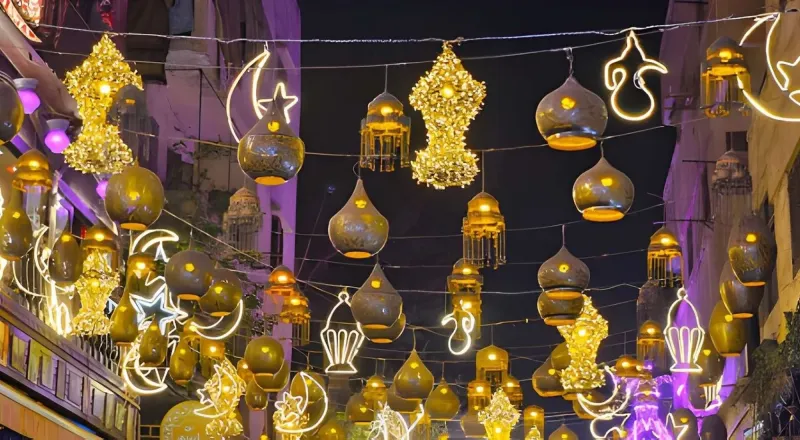
Ramadan in Egypt is a time of spiritual reflection, communal celebration, and a complete transformation of daily life. As the ninth month of the Islamic calendar, Ramadan is observed by Muslims worldwide through fasting from dawn until sunset, increased prayer, and acts of charity. In Egypt, this holy month is infused with centuries-old traditions, from the vibrant fanous lanterns that light up the streets to the sounds of the musaharati, who walks neighborhoods before dawn to wake people for suhoor, the pre-dawn meal.
The country’s cities, towns, and villages each offer a unique Ramadan experience. Cairo’s bustling neighborhoods are adorned with colorful banners and lights, while the Nile-side promenades become gathering spots for families and friends. Markets brim with special Ramadan treats, and the air is filled with anticipation as sunset approaches and the call to prayer signals iftar. For travelers, experiencing Ramadan in Egypt is an unparalleled opportunity to witness the country's deep-rooted hospitality and vibrant culture. For more context on local traditions, read Egypt Holidays And Traditions.
How Ramadan Shapes Daily Life in Egypt
The rhythm of life in Egypt shifts dramatically during Ramadan. The pace slows in the afternoons as people prepare for iftar, while the nights become lively with social gatherings, prayers, and entertainment. Many businesses and government offices operate on reduced hours, and the streets are quieter during the day. At sunset, the atmosphere transforms as families break their fast with dates and water, followed by elaborate meals featuring dishes like molokhia, stuffed vine leaves, and konafa.
Public spaces such as cafes and restaurants extend their hours late into the night, hosting iftar and suhoor buffets. Mosques, especially historic ones like Al-Azhar and Sultan Hassan in Cairo, are filled with worshippers attending Tarawih prayers—special nightly prayers unique to Ramadan. For an overview of festivals throughout the year, including Ramadan, see Festivals & Events In Egypt Throughout The Year.
Experiencing Iftar and Suhoor
Iftar, the breaking of the fast at sunset, is the most anticipated moment of the day. In Egypt, it is common to see tables set up in the streets to provide free meals to passersby, a tradition known as mawaed el-rahman. These charity tables embody the spirit of generosity and community that defines Ramadan. Suhoor, the pre-dawn meal, is a lighter affair, often enjoyed with friends and family at home or in bustling cafes that remain open until the early hours. For tips on navigating Egyptian markets during Ramadan, consult A Beginner’s Guide To Haggling In Egyptian Markets.
Visiting Monuments and Museums in Ramadan
Egypt’s world-famous monuments and museums, including the Giza Pyramids and the Egyptian Museum, remain open during Ramadan but operate on reduced hours as published per-site on the Ministry’s official ticketing portal. Travelers are advised to check the specific opening times in advance and to arrive at least one hour before closing time, per the Ministry’s official ticketing service. Entry is free for children under 6, Egyptian seniors 60+, Egyptians with special needs, and orphaned children, with some exemptions at NMEC on Fridays, Saturdays, and public holidays.
Photography with a mobile phone is free of charge at Ministry sites, according to the Ministry’s official ticketing service, while commercial filming requires advance permission. All monument ticket prices are in Egyptian Pounds (EGP), and at the Giza Plateau, self-service machines accept bank cards for site tickets. Card acceptance is not guaranteed at every site, so carrying cash is recommended. For those looking to explore Egypt’s UNESCO World Heritage sites during Ramadan, the country boasts seven, each offering a unique atmosphere.
| Monument/Museum | Ramadan Opening Hours | Free Entry Eligibility | Card Payment | Mobile Phone Photography |
|---|---|---|---|---|
| Giza Pyramids | Reduced hours (check official portal) | Children under 6, Egyptian seniors 60+, Egyptians with special needs, orphaned children | Self-service machines accept bank cards | Free of charge |
| Egyptian Museum | Reduced hours (check official portal) | Children under 6, Egyptian seniors 60+, Egyptians with special needs, orphaned children | Not published | Free of charge |
| NMEC (National Museum of Egyptian Civilization) | Reduced hours (check official portal) | Exemptions exclude Fridays, Saturdays, and public holidays | Not published | Free of charge |
For more on how to make the most of Egypt’s highlights during busy times, read How To Visit Egypt During Peak Season Without Crowds.
Ramadan Traditions and Cultural Highlights
Egyptian Ramadan traditions are a tapestry of religious devotion, family gatherings, and joyful street celebrations. The fanous, a colorful lantern, is a symbol of the season and can be seen hanging from balconies and shop windows. Children often participate in lantern parades, singing traditional songs. The musaharati, a drummer who roams neighborhoods before dawn, is another cherished tradition, calling people to wake for suhoor with rhythmic beats and chants.
Markets and bazaars are especially lively in the evenings, selling Ramadan sweets like qatayef and basbousa, as well as decorations and gifts. For guidance on avoiding tourist scams in popular areas like Khan Al-Khalili during Ramadan, see How To Avoid Tourist Scams In Khan Al-Khalili.
Shopping and Souvenirs During Ramadan
Shopping during Ramadan offers a chance to purchase unique souvenirs and festive items not available at other times of the year. Handcrafted fanous lanterns, intricate textiles, and traditional sweets make memorable gifts. For a curated list of authentic keepsakes, visit Best Souvenirs From Egypt That Are Not Tourist Traps.
Travel Tips for Ramadan Visitors
Traveling in Egypt during Ramadan is rewarding, but it requires some planning. Many restaurants and cafes are closed during daylight hours, but major hotels and tourist destinations typically serve food to non-fasting visitors. Dress modestly and respect local customs, especially in public spaces and religious sites. Expect traffic congestion before iftar as people rush home to break their fast, and take advantage of the lively post-sunset atmosphere to explore the city’s cultural offerings.
For those visiting during the warmer months, staying hydrated and planning outdoor activities for early morning or after sunset is recommended. For further advice on dealing with the heat, refer to How To Travel Egypt During The Summer Heat.
Experiencing Eid al-Fitr in Egypt
Ramadan culminates with Eid al-Fitr, a joyful three-day festival marked by communal prayers, feasts, and public celebrations. Streets and parks fill with families, and special events are organized across the country. To learn more about what to expect during Eid, read What It’s Like To Visit Egypt During Eid.
Frequently Asked Questions: Celebrating Ramadan in Egypt
Are tourist attractions open during Ramadan in Egypt?
Tourist attractions and museums in Egypt remain open during Ramadan but operate on reduced hours, which are published per-site on the official ticketing portal. Visitors should check current opening times and plan to arrive at least one hour before closing.
Can non-Muslims eat and drink in public during Ramadan in Egypt?
Non-Muslims are not legally required to fast, but eating, drinking, or smoking in public during daylight hours is discouraged out of respect for those observing Ramadan. Most hotels and some tourist restaurants serve food during the day.
Is photography allowed at monuments during Ramadan?
Photography with a mobile phone is free of charge at Ministry sites, including during Ramadan, per the Ministry’s official ticketing service. Commercial filming requires prior permission.
Are there special events or festivals during Ramadan in Egypt?
Yes, Ramadan is celebrated with nightly gatherings, charity tables for iftar, lantern parades, and special prayers at mosques. Markets and public spaces are especially lively after sunset, offering a festive atmosphere unique to the season.
What should visitors know about ticket payments at monuments during Ramadan?
At the Giza Plateau, self-service machines accept bank cards for site tickets, but card acceptance is not guaranteed at every monument. All ticket prices are in Egyptian Pounds (EGP), so carrying cash is recommended for other sites.
Are there any free entry policies for monuments during Ramadan?
Free entry is granted for children under 6, Egyptian seniors 60+, Egyptians with special needs, and orphaned children, except at NMEC on Fridays, Saturdays, and public holidays, per the Ministry of Tourism and Antiquities.
How does Ramadan affect shopping and markets in Egypt?
Markets and bazaars become especially lively after sunset during Ramadan, offering festive decorations, traditional sweets, and unique souvenirs. Bargaining is common, and visitors can enjoy a vibrant local shopping experience.
When is the best time to visit Egypt during Ramadan?
Visiting Egypt during Ramadan offers a unique cultural experience, especially in the evenings when the country comes alive with celebrations. Travelers should plan around reduced daytime hours and enjoy the festive night-time atmosphere.