Local Life in Egypt: Traditions, Daily Rhythms, and Cultural Insights
Local life in Egypt is a vibrant blend of ancient traditions and modern rhythms, shaped by family ties, religious customs, and bustling street culture. Egyptians enjoy strong community bonds, lively markets, and a calendar rich with festivals, making every visit an immersive experience into hospitality and heritage. Understanding these daily patterns helps travelers appreciate the true spirit of Egypt beyond its monuments.
Key Takeaways
- Egyptians celebrate seven UNESCO World Heritage sites, reflecting their deep historical roots.
- Mobile phone photography is free of charge at Ministry-run monuments and museums.
- Children under 6, Egyptian seniors 60+, Egyptians with special needs, and orphaned children receive free entry to most monuments, with some exceptions at NMEC on weekends and holidays.
- Self-service machines at Giza accept bank cards for site tickets, but card acceptance is not universal at all sites.
- All monument ticket prices are published in Egyptian Pounds (EGP), per the Ministry of Tourism and Antiquities.
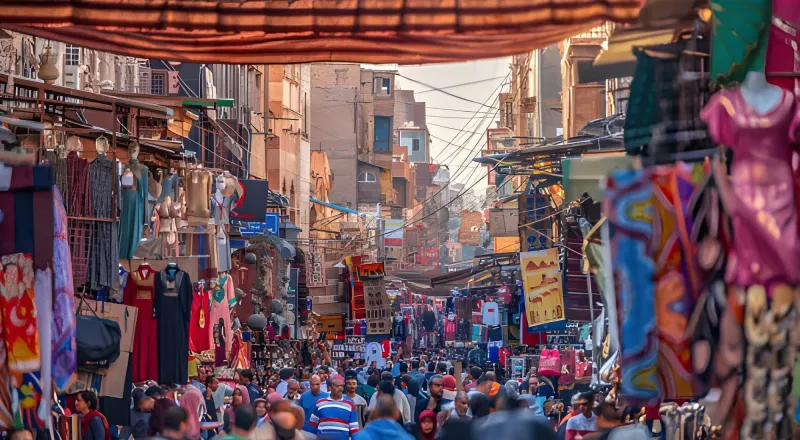
Egypt’s daily life unfolds in a tapestry of sounds, scents, and colors. In cities like Cairo and Alexandria, the call to prayer echoes above bustling streets, while rural villages along the Nile move at a gentler pace. Egyptians are renowned for their warmth and hospitality, often inviting guests to share tea or a meal. Markets, or souks, are central to community life, filled with the aroma of spices, the chatter of bargaining, and the vibrant display of crafts. Family is the cornerstone of Egyptian society, with multiple generations often living together and supporting one another. Religious observance shapes the rhythm of the week and the year, with Friday prayers and Ramadan fasting deeply respected. Festivals, both Islamic and Coptic, draw communities together in celebration. Whether you’re exploring a local café, navigating the energetic Khan al-Khalili bazaar, or participating in a traditional feast, Egypt’s local life offers travelers a chance to connect with living heritage and everyday joys.
Understanding Egyptian Daily Life
Egyptian daily life is rooted in community, faith, and tradition. In urban centers, mornings begin early with the first call to prayer, followed by a hearty breakfast of ful medames (stewed fava beans) and baladi bread. Streets fill with vendors selling fresh produce, and coffeehouses become gathering spots for conversation and backgammon. In rural areas, life aligns closely with the agricultural calendar, and neighbors often support each other through cooperative work and shared celebrations. Family gatherings, especially on weekends and holidays, are marked by generous hospitality and home-cooked feasts.
Religious Practices and Cultural Etiquette
Religion plays a central role in shaping local customs. The majority of Egyptians are Muslim, observing five daily prayers and fasting during Ramadan, a holy month that transforms daily routines and social life. Visitors during this period will notice altered business hours and a festive atmosphere after sunset. For insight into this unique time, see What It’s Like To Celebrate Ramadan In Egypt. Coptic Christians, who make up the largest Christian community in the Middle East, celebrate their own rich calendar of feasts and fasts. Respect for elders, modest dress, and polite greetings are valued throughout Egyptian society, especially when visiting homes or religious sites.
Markets, Shopping, and the Art of Haggling
Egyptian markets, known as souks, are the heart of local commerce and social life. From the historic Khan al-Khalili in Cairo to village bazaars, these markets offer everything from spices and textiles to gold jewelry and souvenirs. Haggling is expected, and learning to bargain with a smile can be an enjoyable cultural experience. For practical tips, read A Beginner’s Guide To Haggling In Egyptian Markets. Always keep small change handy and remember that a friendly approach goes a long way. To avoid common pitfalls, especially in busy tourist markets, consult How To Avoid Tourist Scams In Khan Al-Khalili.
Egyptian Festivals, Holidays, and Community Events
Festivals and holidays are central to local life, bringing families and neighborhoods together in joyful celebration. Ramadan and Eid are the most widely observed, with special foods, prayers, and public festivities. Coptic Christmas and Sham El-Nessim, an ancient spring festival, are celebrated by Egyptians of all backgrounds. For a full overview of annual events, see Festivals & Events In Egypt Throughout The Year. Each holiday comes with its own traditions, from sharing kahk (holiday cookies) at Eid to picnicking on the Nile during Sham El-Nessim. For travelers curious about cultural customs, Egypt Holidays And Traditions offers a deeper look at these rich celebrations.
Seasonal Rhythms and the Impact on Local Life
Egypt’s climate shapes daily routines and community activities. Summers are hot, especially in southern cities like Luxor and Aswan, prompting locals to seek shade and adjust their schedules. Visiting during the summer requires preparation; for practical advice, see How To Travel Egypt During The Summer Heat. During peak tourist seasons, popular sites can be crowded, but early mornings or off-the-beaten-path neighborhoods offer a more authentic glimpse into local routines. For strategies on navigating busy periods, consult How To Visit Egypt During Peak Season Without Crowds.
Table: Key Elements of Local Life in Egypt
| Aspect | Description | Relevant Official Rule |
|---|---|---|
| Religious Observance | Muslim majority, five daily prayers, Ramadan fasting; significant Coptic Christian population with unique traditions | Ramadan hours are reduced at monuments; published per-site |
| Market Culture | Souks are central to commerce and social life; haggling is customary | Mobile phone photography is free at Ministry monuments |
| Family & Community | Multi-generational households; strong community bonds | Free monument entry for children under 6 and other groups |
| Festivals & Holidays | Major events include Ramadan, Eid, Coptic Christmas, and Sham El-Nessim | Some exemptions at NMEC exclude weekends and public holidays |
| Ticketing & Payments | Tickets at Giza can be purchased by card; all prices in EGP | Card acceptance not universal; check per site |
Practical Tips for Experiencing Local Life
To truly connect with Egyptian culture, travelers should embrace local customs and etiquette. Dress modestly, especially in rural areas and religious sites. Greet people with a warm “salaam alaikum” and accept offers of tea or coffee as a gesture of hospitality. If visiting during Ramadan or Eid, be mindful of fasting hours and join in community celebrations when invited. For a deeper understanding of Eid traditions, read What It’s Like To Visit Egypt During Eid. Always check official sources for the latest ticketing rules, opening hours, and payment options, as these are revised periodically.
Frequently Asked Questions: Local Life in Egypt
What are the main customs travelers should observe in Egypt?
Travelers should greet people politely, dress modestly, and respect religious practices. It is customary to accept offers of tea or coffee and to avoid public displays of affection.
Are there free entry policies for monuments and museums?
Children under 6, Egyptian seniors 60+, Egyptians with special needs, and orphaned children receive free entry to most monuments, except at NMEC on Fridays, Saturdays, and public holidays, per the Ministry of Tourism and Antiquities.
Is photography allowed at Egyptian monuments?
Photography with a mobile phone is free of charge at Ministry-run monuments and museums, but commercial filming requires prior permission.
Can I pay for monument tickets with a bank card?
Self-service machines at Giza accept bank cards for site tickets, but card acceptance is not guaranteed at every site; always check at each location.
How does Ramadan affect daily life and visiting hours?
During Ramadan, Egyptians fast from sunrise to sunset, and monuments and museums operate reduced hours, which are published per site on the official ticketing portal.
What is the currency for monument ticket prices?
All monument ticket prices are published in Egyptian Pounds (EGP), per the Ministry of Tourism and Antiquities.
How important is haggling in Egyptian markets?
Haggling is a common and expected part of shopping in Egyptian markets, and approaching it with friendliness and patience enhances the experience.
What are the major festivals and holidays in Egypt?
Major festivals include Ramadan, Eid al-Fitr, Eid al-Adha, Coptic Christmas, and Sham El-Nessim, each celebrated with unique customs and community gatherings.