
Hiking With Bedouin Guides In South Sinai: What A Trek Involves
Hiking with Bedouin guides in South Sinai offers an immersive journey through ancient mountain trails, desert wadis, and remote canyons, guided by local experts whose knowledge of the landscape and traditions ensures safety and authenticity. Treks typically involve navigating rugged paths, experiencing Bedouin hospitality, and learning about regional flora, fauna, and culture from those who call Sinai home.
Key Takeaways
- Bedouin guides in South Sinai lead treks through dramatic landscapes, including the Sinai Mountains and desert valleys.
- Guided hikes offer cultural insights, with opportunities to learn about Bedouin traditions, medicinal plants, and local wildlife.
- Most multi-day treks include overnight stays in Bedouin camps, where guests enjoy traditional meals and stargazing.
- Hiking routes vary in difficulty, with options for both beginners and experienced trekkers; local guides tailor routes to group ability.
- Respecting Bedouin customs and dressing modestly is recommended; consult local advice or resources for specific guidelines.
South Sinai’s mountains and deserts have been traversed by Bedouin tribes for centuries, making it a region where the landscape and culture are deeply intertwined. Hiking here is not just about challenging terrain or breathtaking views; it’s about experiencing the land through the eyes of its indigenous custodians. Bedouin guides, often from families who have lived in the region for generations, bring an unmatched understanding of the mountains, wadis (valleys carved by water), and desert oases, ensuring that every trek is both safe and rich in local knowledge.
Trekkers are drawn to South Sinai for its unique blend of adventure and cultural immersion. Whether you’re exploring the high passes near St. Catherine or wandering through the sandstone canyons of the Colored Canyon, your Bedouin guide will interpret the landscape’s stories—pointing out ancient inscriptions, traditional water sources, and local plants used for food or medicine. The experience is elevated by authentic Bedouin hospitality: sharing tea around a fire, sampling home-cooked meals, and sleeping under the open sky in secluded campsites. For travelers seeking a deeper connection to Egypt beyond its temples and museums, a Sinai trek is an unforgettable way to engage with both the land and its people.
Planning a trek with Bedouin guides also means embracing a slower pace and a simpler lifestyle, far from the bustle of Cairo or Egypt’s major cities. Days are spent hiking through silent valleys and dramatic peaks, while evenings are reserved for storytelling and stargazing. Many visitors find this digital detox and cultural immersion to be the highlight of their trip, offering insights into a way of life shaped by the desert’s rhythms and challenges.
Why Choose A Bedouin-Guided Trek In South Sinai?
Bedouin-guided treks are celebrated for their authenticity, safety, and environmental sensitivity. The Bedouin tribes of South Sinai—such as the Jebeliya, Muzeina, and Tarabin—have an intimate knowledge of the region’s geography and weather patterns. This expertise is invaluable for navigating challenging terrain, avoiding flash floods, and finding hidden springs or shade during the hottest parts of the day. Guides often share stories of their ancestors, explain the significance of local landmarks, and introduce hikers to the medicinal and culinary uses of desert plants.
For those interested in Egypt’s religious and historical heritage, Bedouin treks can include visits to sacred sites like Mount Sinai and St. Catherine’s Monastery, as well as lesser-known hermitages and ancient rock art. The journey becomes a living lesson in the region’s spiritual and cultural history, complementing classic experiences such as a Nile cruise or a visit to the Karnak Temple Sound Light Show in Luxor.
What To Expect On A Typical Trek
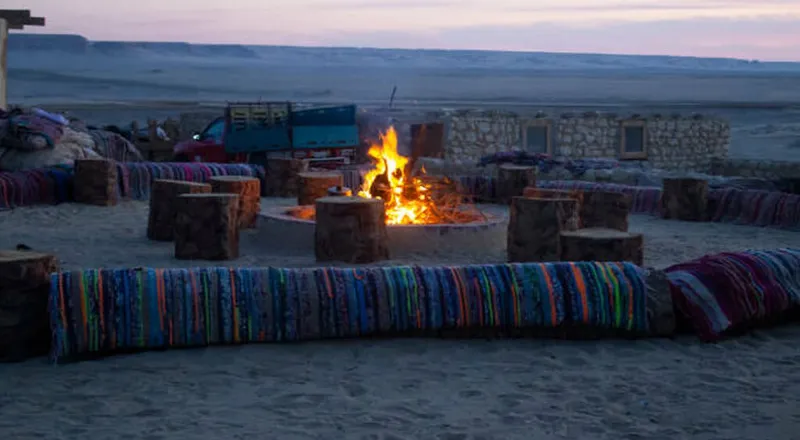
Most treks range from one-day hikes to multi-day expeditions covering 30 to 100 kilometers. Itineraries are tailored to group ability and interests. A typical day starts with a sunrise breakfast, followed by several hours of hiking interspersed with breaks for tea and local snacks. Lunch is often prepared in a shaded wadi, while the afternoon brings further exploration—perhaps climbing a mountain pass or tracing the route of an ancient caravan trail. Overnight, trekkers sleep in simple Bedouin tents or under the stars, enjoying traditional meals cooked over an open fire.
Guides provide essential support, from carrying supplies to ensuring that all activities respect local customs and environmental guidelines. Many treks include opportunities to learn traditional skills, such as bread baking, weaving, or even camel handling. For those interested in Egypt’s diverse travel offerings, combining a Sinai trek with an 8 Day Cairo and Nile Cruise Tour or an 8 Day Egypt Tour offers a remarkable contrast between desert solitude and the splendors of the Nile Valley.
Best Seasons For Hiking In South Sinai
The optimal months for trekking are autumn and spring, when temperatures are mild and the risk of heat exhaustion is low. Summer brings intense heat, especially in exposed valleys, while winter nights can be cold at higher elevations. For those planning a trek during Ramadan, it’s important to note that guides may observe fasting, and opening hours for some attractions—such as the Cairo Itinerary Breakdown: What To Do Each Day For The Best Experience—are reduced during the holy month. Insights into local customs during these periods can be found in resources like What It’s Like To Celebrate Ramadan In Egypt.
What To Pack And Wear
Lightweight, breathable clothing, sturdy hiking boots, and sun protection are essential. Modest dress is expected in Bedouin communities—long trousers and sleeves are recommended for both men and women. For detailed advice on appropriate attire, consult What To Wear In Egypt. A sleeping bag, refillable water bottle, and basic toiletries are also advised. Guides typically provide camping equipment and meals, but it’s wise to confirm details before departure.
Cultural Etiquette And Bedouin Hospitality
Respecting Bedouin customs is central to a positive trekking experience. Hospitality is a cornerstone of Bedouin culture; guests are often welcomed with tea, bread, and heartfelt conversation. It’s polite to accept these offerings and to greet elders with respect. Photography is usually welcomed, though it’s courteous to ask before photographing people or private spaces. For those interested in Egypt’s diverse cultural calendar, articles like What It’s Like To Visit Egypt During Eid provide valuable context for festive periods.
Environmental Responsibility On The Trail
Bedouin guides are deeply committed to preserving the fragile desert ecosystem. Trekkers are encouraged to follow Leave No Trace principles, minimize waste, and respect wildlife. Water sources are precious—guides will show you how to use them responsibly. Many treks also contribute to local conservation efforts, supporting sustainable tourism and providing vital income for Bedouin communities.
How To Book A Bedouin-Guided Trek
Booking is best arranged through reputable local operators who work directly with Bedouin guides. Packages can be customized to include specific routes, cultural experiences, or combined adventures—such as pairing a Sinai trek with a 7 Night Nile Cruise Itinerary from Aswan or a 12 Day Egypt Tour Itinerary. Always confirm what is included—such as meals, transport, and equipment—and clarify any dietary or accessibility needs in advance.
Understanding Costs And Payments
Treks are typically priced in Egyptian Pounds (EGP), as is standard for all monument and museum tickets in Egypt. For details on currency and payment, see What Is The Currency Of Egypt?. While some operators accept card payments, cash remains common in remote areas. Official fees, opening hours, and policies are periodically revised, so always check the latest information before booking.
Frequently Asked Questions
Is hiking in South Sinai safe for solo travelers?
Hiking in South Sinai with Bedouin guides is considered safe, as guides know the terrain and local customs, and can help navigate any challenges. Solo travelers are encouraged to join guided groups for safety and cultural enrichment.
What level of fitness is required for a Bedouin-guided trek?
Treks range from easy walks to challenging mountain hikes. Guides tailor the route to your fitness level, but participants should be comfortable walking several hours per day on uneven terrain.
Can I combine a Sinai trek with other Egypt travel experiences?
Yes, many travelers combine their Sinai trek with classic experiences such as Nile cruises, city tours, or visits to temples and museums, creating a diverse and enriching itinerary.
Are meals and accommodation included on multi-day treks?
Most multi-day treks include traditional Bedouin meals and overnight stays in camps or tents. Confirm details with your operator to ensure your needs are met.
What is the best time of year to hike in South Sinai?
The best seasons for hiking in South Sinai are autumn and spring, when temperatures are milder and conditions are ideal for trekking.