What It’s Like To Visit Egypt During Eid: A Traveler’s Guide to Festivities, Culture, and Practical Tips
Visiting Egypt during Eid offers a unique blend of vibrant celebrations, special religious traditions, and a festive atmosphere unlike any other time of year. Expect lively streets, decorated mosques, bustling markets, and a sense of community as locals celebrate with family, food, and joyful gatherings. Travelers should plan ahead for altered opening hours and increased crowds at popular sites.
Key Takeaways
- Egypt celebrates two major Eids each year: Eid al-Fitr and Eid al-Adha, both marked by public holidays and widespread festivities.
- Many monuments and museums operate reduced Ramadan hours, and Eid may affect opening times; always check the official ticketing portal for updates.
- Entry to Egyptian monuments is free for children under 6, Egyptian seniors 60+, Egyptians with special needs, and orphaned children, but some exemptions do not apply on Fridays, Saturdays, and public holidays at the National Museum of Egyptian Civilization.
- Photography with a mobile phone is free of charge at Ministry sites, but commercial filming requires prior permission.
- Self-service ticket machines at Giza accept bank cards, though card acceptance is not guaranteed at all monuments.
Travelers seeking unforgettable cultural encounters will find Egypt during Eid to be a time of warmth, hospitality, and excitement. The air fills with the aroma of traditional sweets, families gather in public parks and along the Nile, and ancient sites take on a new life amid the festivities. Yet, this period also brings unique logistical considerations, from altered museum hours to bustling transportation hubs. Understanding what to expect can help you make the most of your journey.
For a deeper look at the country’s rich calendar of religious and national holidays, see our guide to Egypt holidays and traditions, which explains the significance of Eid and other celebrations throughout the year.
The Two Eids: Eid al-Fitr and Eid al-Adha Explained
Egypt’s festive calendar centers around two major Eids. Eid al-Fitr marks the end of Ramadan, the month of fasting, and is celebrated with prayers, feasting, and charity. Eid al-Adha, the “Festival of Sacrifice,” commemorates the story of Prophet Ibrahim and is observed with special prayers, animal sacrifices distributed to the needy, and communal gatherings. Both Eids are public holidays, when families dress in new clothes, visit relatives, and share traditional dishes such as Om Ali, a beloved Egyptian dessert.
To better understand the full spectrum of Egyptian festivals, explore our overview of festivals & events in Egypt throughout the year.
Atmosphere and Festivities: What to Expect in the Streets
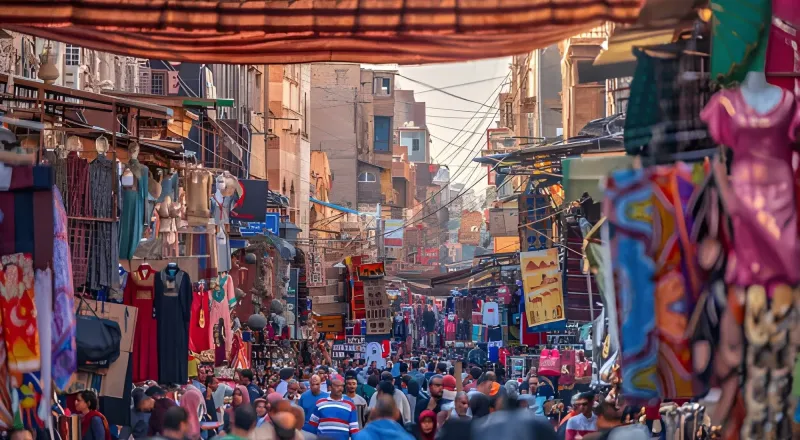
During Eid, Cairo and other major cities are transformed with colorful lights, banners, and lively street scenes. Early morning prayers at grand mosques draw large crowds, while children play in parks and families stroll along the Corniche. Markets, known locally as souks, become even more vibrant, offering everything from sweets to new clothes and toys. This is a prime time for visitors to experience authentic Egyptian hospitality and join in the communal joy.
For those interested in shopping and local customs, our beginner’s guide to haggling in Egyptian markets can help you navigate the festive bazaars with confidence.
Visiting Monuments and Museums During Eid
Egypt’s world-famous monuments and museums, including the Pyramids of Giza and the Egyptian Museum, remain open during Eid but often follow special holiday hours. Per the Ministry of Tourism and Antiquities, sites and museums run reduced Ramadan hours, with specific Eid schedules published on the official ticketing portal. It is strongly advised to check the latest opening times before your visit and to arrive at least one hour before closing time, as recommended by the Ministry’s ticketing service.
Official entry policies offer free admission to children under 6, Egyptian seniors 60+, Egyptians with special needs, and orphaned children. However, at the National Museum of Egyptian Civilization (NMEC), these exemptions do not apply on Fridays, Saturdays, and public holidays. All ticket prices are published in Egyptian Pounds (EGP), and students up to age 24 with valid ID qualify for student tickets.
| Site or Museum | Free Entry Eligibility | Opening Hours During Eid | Student Ticket Policy |
|---|---|---|---|
| All Ministry Sites | Children under 6, Egyptian seniors 60+, special needs, orphaned children | Check official ticketing portal for Eid and Ramadan hours | Valid student ID, age not exceeding 24 |
| NMEC (Fustat) | Same as above, but no exemptions on Fridays, Saturdays, or public holidays | Check official ticketing portal for Eid hours | Valid student ID, age not exceeding 24 |
For those seeking to beat the crowds, our article on how to visit Egypt during peak season without crowds offers valuable strategies, many of which apply during Eid as well.
Practical Tips for Eid Travel in Egypt
Traveling during Eid requires extra planning. Transportation hubs such as airports, train stations, and bus terminals are particularly busy as Egyptians travel to reunite with family. Book tickets and accommodations well in advance. Many restaurants, shops, and attractions may open late or close early, especially during prayer times. Major tourist sites like the Giza Pyramids offer self-service ticket machines that accept bank cards, but card acceptance is not guaranteed at every site, so carrying cash in Egyptian Pounds is wise. Photography with a mobile phone is free at Ministry sites, but commercial or professional filming needs prior permission.
For tips on navigating Egypt’s climate if Eid falls in the warmer months, see how to travel Egypt during the summer heat.
Shopping, Souvenirs, and Market Etiquette
Eid is a peak shopping season, with markets overflowing with gifts, clothes, and sweets. Bargaining is part of the experience, and understanding local etiquette can enhance your visit. To avoid common pitfalls, consult our guide on how to avoid tourist scams in Khan Al-Khalili. For unique gift ideas, check out best souvenirs from Egypt that are not tourist traps, which highlights authentic finds beyond the usual trinkets.
Cultural Etiquette and Local Customs During Eid
Respect for local traditions is especially important during Eid. Dress modestly, particularly when visiting mosques or joining public prayers. It is customary to greet people with “Eid Mubarak” (“Blessed Eid”) and to accept offers of sweets or tea graciously. Many Egyptians enjoy picnics in public parks, while others spend the day visiting relatives or giving to charity. As a visitor, participating in these traditions when invited can be a memorable highlight of your trip.
Frequently Asked Questions
Are monuments and museums open during Eid in Egypt?
Most monuments and museums in Egypt remain open during Eid, but many operate on reduced or altered hours; always check the official ticketing portal for the latest opening times before your visit.
Is there free entry to monuments for children or students during Eid?
Entry is free for children under 6, Egyptian seniors 60+, Egyptians with special needs, and orphaned children, except at the National Museum of Egyptian Civilization on Fridays, Saturdays, and public holidays; students up to age 24 with valid ID are eligible for student tickets.
Can I take photos inside Egyptian monuments during Eid?
Photography with a mobile phone is free of charge at Ministry sites, but commercial, TV, or cinema filming requires prior permission.
How busy is Egypt during Eid?
Egypt is especially busy during Eid as many locals travel and visit popular sites, so expect larger crowds at monuments, markets, and transportation hubs.
Do ticket machines at tourist sites accept card payments during Eid?
Self-service ticket machines at the Giza Pyramids accept bank cards for site tickets, but card acceptance is not guaranteed at all monuments; carrying cash in Egyptian Pounds is recommended.
What is the best way to experience Egyptian culture during Eid?
To experience Egyptian culture during Eid, join locals at public prayers, explore bustling markets, sample traditional foods, and participate in family-friendly festivities when invited.
Are opening hours for monuments different during Ramadan and Eid?
Yes, sites and museums run reduced hours during Ramadan and may have special schedules for Eid; these are published per site on the official ticketing portal, so always check before visiting.
What are authentic souvenirs to buy during Eid in Egypt?
Authentic souvenirs include handmade crafts, jewelry, spices, and traditional sweets; for ideas, see our recommendations for best souvenirs from Egypt that are not tourist traps.