How To Avoid Tourist Scams In Khan Al-Khalili
To avoid tourist scams in Khan Al-Khalili, stay alert for common tricks such as inflated prices, counterfeit goods, and unofficial guides. Always agree on prices before making purchases, use official taxis or ride apps, and politely decline persistent vendors. Trust your instincts and research reputable shops and experiences before visiting the bazaar.
Key Takeaways
- Agree on prices before buying or accepting services in Khan Al-Khalili to avoid inflated costs.
- Beware of unofficial guides and always verify credentials before accepting tours.
- Counterfeit goods are common; shop at reputable stores for authentic souvenirs.
- Persistent vendors may use high-pressure tactics—firmly but politely decline if uninterested.
- Bargaining is expected, but stay respectful and walk away from deals that feel wrong.
Visiting Khan Al-Khalili, Cairo’s historic bazaar, is an essential part of any luxury Egypt itinerary. The market’s labyrinthine alleys, vibrant stalls, and centuries-old architecture create an intoxicating atmosphere for shoppers and culture-seekers alike. Yet, its popularity also attracts opportunists hoping to profit from unsuspecting travelers. Understanding how to avoid tourist scams in Khan Al-Khalili not only protects your wallet but also ensures your experience remains enchanting and stress-free.
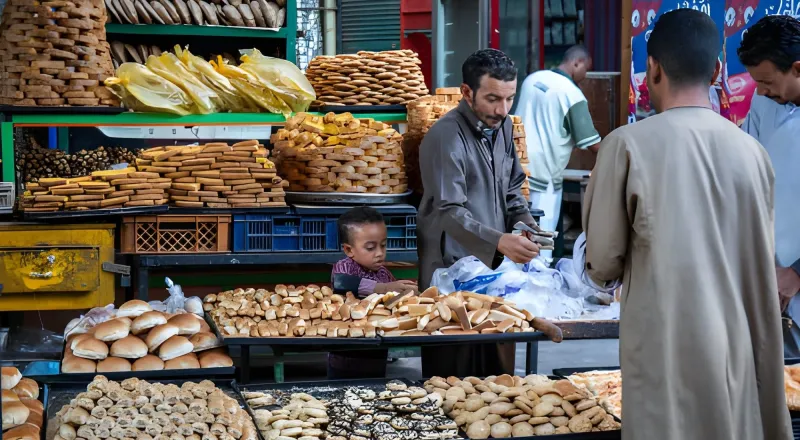
From the moment you step into the bustling souk, you’ll be greeted by a symphony of calls from vendors, the scent of spices, and dazzling displays of jewelry, textiles, and antiques. But beneath the charm, some sellers may attempt to overcharge, pass off replicas as antiques, or lure visitors into “special deals” that turn sour. By preparing with practical knowledge and cultural insight, you can confidently explore this legendary market, discover genuine treasures, and enjoy meaningful interactions with local artisans. For those planning their first visit to Egypt, understanding the etiquette and typical scams is as important as knowing how much cash you really need in Egypt.
Understanding Common Tourist Scams in Khan Al-Khalili
Khan Al-Khalili’s unique blend of history and commerce makes it a magnet for both genuine craftsmen and opportunistic scammers. The most frequent scams include price gouging, counterfeit merchandise, and fake guiding services. Vendors may quote prices several times higher than local rates, especially if they sense hesitation or unfamiliarity with Egyptian currency. Some stalls stock imitation antiques or branded goods, hoping to pass them off as authentic. Unofficial guides may offer tours, then demand excessive tips or lead visitors to overpriced shops where they receive a commission.
To minimize risk, familiarize yourself with the market’s layout and typical goods. If you’re searching for authentic keepsakes, consult resources like Best Souvenirs From Egypt That Are Not Tourist Traps to distinguish between genuine crafts and tourist bait. Recognizing these patterns helps you shop with confidence and avoid disappointment.
Comparing Typical Scams and Safe Practices
| Scam Type | What to Watch For | Safe Practice |
|---|---|---|
| Price Gouging | Initial price quoted is extremely high | Research fair prices and negotiate firmly |
| Counterfeit Goods | “Antiques” or branded items at suspiciously low prices | Buy from reputable stores and ask for provenance |
| Unofficial Guides | Unlicensed individuals offering tours | Book tours through official channels or your hotel |
| Unsolicited Help | Strangers offering directions or assistance, then demanding tips | Politely decline and seek help from official staff |
| Change Scams | Receiving incorrect change or old currency notes | Count your change carefully before leaving the stall |
Essential Tips for Safe Shopping in Khan Al-Khalili
Always agree on a price before purchasing or accepting any service. Vendors in Khan Al-Khalili expect negotiation, but a lack of clarity can be exploited. If a seller is vague about costs, insist on a final figure before proceeding. For those new to bargaining, reading A Beginner’s Guide To Haggling In Egyptian Markets can help you develop effective strategies and avoid common pitfalls.
Counterfeit goods are prevalent, especially among items like papyrus art, jewelry, and “antiques.” When authenticity matters, shop at established stores and ask for certificates of origin or receipts. If you’re unsure about an item’s value, walk away or seek a second opinion. For unique, high-quality souvenirs, consult curated guides and avoid stalls that pressure you into quick decisions.
Be wary of unsolicited help. Sometimes, friendly locals or children offer directions, then demand a tip or lead you to a specific shop. If you need assistance, approach police officers or official staff instead of accepting offers from strangers. When using taxis or ride-hailing apps to reach the market, confirm the fare in advance or use the app’s fare calculator to avoid disputes.
How to Recognize and Avoid Unofficial Guides
Unofficial guides often approach tourists with offers of “secret tours” or “special access.” These individuals may not be licensed and could take you to shops where they receive commissions, inflating your costs. To avoid this, book tours through your hotel or a reputable travel agency. If you’re approached inside the market, ask to see an official guide license before agreeing to anything.
For more on planning secure and enjoyable excursions, review common Booking Mistakes Egypt Tours so you can sidestep unreliable operators and maximize your experience.
Best Practices for Payment and Currency Handling
Egyptian Pounds (EGP) are the only currency accepted for official monument tickets, per the Ministry of Tourism and Antiquities. In Khan Al-Khalili, some vendors may accept foreign currency but often at unfavorable rates. Always pay in EGP for the best value. When paying, count your change in front of the vendor to prevent errors or intentional shortchanging. If you receive old or damaged notes, politely request a replacement.
To avoid carrying excessive cash, plan your spending ahead and use secure methods when possible. For a detailed breakdown of budgeting and safe money handling, see How Much Cash Do You Really Need In Egypt?
Navigating Cultural Etiquette and Vendor Interactions
Respectful behavior and understanding local customs go a long way in building positive relationships with vendors. Dress modestly, greet shopkeepers politely, and use a friendly but firm tone during negotiations. If you’re not interested in an item, a simple “la shukran” (no thank you) is usually effective. For deeper insights into Egyptian customs, visit Egypt Travel Etiquette and familiarize yourself with social norms before your trip.
Vendors may use persuasive techniques—compliments, gifts, or emotional stories—to encourage purchases. While these can be part of the market’s charm, remember you are not obligated to buy. Trust your instincts, and if a situation feels uncomfortable, move on to another stall.
What To Do If You Suspect a Scam
If you feel pressured or believe you are being scammed, remain calm and assertive. Politely refuse further interaction and walk away. In rare cases of aggressive behavior, seek assistance from market security or local police, who are familiar with the area’s tourist dynamics. Don’t let a negative encounter spoil your experience—Khan Al-Khalili is vast, and most vendors are honest and welcoming.
For a broader perspective on safety and conduct, consult What NOT To Do In Egypt to avoid faux pas and risky situations throughout your travels.
Choosing Authentic Souvenirs and Avoiding Tourist Traps
Seek out workshops and boutiques specializing in traditional crafts, such as hand-blown glass, silver jewelry, or inlaid woodwork. These shops are more likely to offer genuine products and transparent pricing. To ensure your purchases are meaningful and not mass-produced, explore recommendations in Best Souvenirs From Egypt That Are Not Tourist Traps.
Enjoying local delicacies is part of the Khan Al-Khalili experience. If you’re curious about Egyptian desserts, learn about the history and recipe of Om Ali, a beloved sweet, in Om Ali Recipe And History. When buying food, choose busy stalls with high turnover for the freshest options.
Understanding Language Barriers and Communication Tips
While many vendors speak basic English, learning a few Arabic phrases can help you negotiate and build rapport. Knowing how to say “thank you” or “how much?” demonstrates respect and may lead to better prices. For a primer on local language and dialects, read What Language Is Spoken In Egypt before your trip.
Official Policies and Practical Advice
When visiting monuments or museums during your trip, be aware of official policies: free entry is granted to children under 6, Egyptian seniors 60+, Egyptians with special needs, and orphaned children, with certain exceptions at specific sites. Students must present a valid ID and be under 24 years old to qualify for student tickets. Mobile phone photography is free of charge at Ministry sites, but commercial filming requires permission. Opening hours, especially during Ramadan, may vary and are published per-site on the official ticketing portal. Always check the latest information before visiting, as fees and hours are periodically revised by the authorities.
FAQ: Avoiding Scams in Khan Al-Khalili
What is the most common scam in Khan Al-Khalili?
The most common scam in Khan Al-Khalili is price gouging, where vendors quote inflated prices to tourists who are unfamiliar with local rates. Always negotiate and research fair prices before shopping.
How can I tell if a souvenir is genuine or fake?
To determine if a souvenir is genuine, buy from reputable shops, ask for certificates of authenticity, and avoid stalls that pressure you into quick purchases. Guides like Best Souvenirs From Egypt That Are Not Tourist Traps can help you identify authentic crafts.
Are unofficial guides safe to use in the bazaar?
Unofficial guides in Khan Al-Khalili are not always safe, as they may lead you to overpriced shops or demand high tips. Always book tours through official channels or your hotel to ensure quality and safety.
What should I do if I feel pressured by a vendor?
If you feel pressured by a vendor, politely but firmly decline and walk away. Most vendors will respect your decision if you are assertive without being confrontational.
Is it safe to pay with foreign currency in Khan Al-Khalili?
It is not recommended to pay with foreign currency in Khan Al-Khalili, as exchange rates offered by vendors are often unfavorable. Use Egyptian Pounds for all purchases to get the best value.