How To Visit Egypt During Peak Season Without Crowds
To visit Egypt during peak season without crowds, focus on early morning or late afternoon site visits, choose lesser-known monuments, and explore outside the busiest months. Private guided tours and strategic planning help you experience Egypt’s wonders in tranquility, even at popular sites like the Pyramids or Luxor Temple. Official ticketing policies and opening hours change, so always check before you go.
Key Takeaways
- Arriving at least one hour before a site’s closing time is officially recommended by the Ministry of Tourism and Antiquities.
- Children under 6, Egyptian seniors 60+, Egyptians with special needs, and orphaned children receive free entry at Ministry-run sites, with some date exceptions.
- Photography with a mobile phone is free of charge at Ministry monuments and museums.
- Egypt has 7 UNESCO World Heritage sites, but many lesser-known sites offer equally rewarding experiences with fewer visitors.
- Card payment for tickets is available at Giza via self-service machines, but not guaranteed elsewhere.
Egypt’s timeless attractions draw millions of visitors each year, especially during peak travel seasons. Yet, with careful planning, it is possible to explore the country’s ancient wonders in relative peace. Whether you dream of standing before the Pyramids of Giza at sunrise, wandering the corridors of the Egyptian Museum without crowds, or soaking in the Nile’s beauty from a quiet felucca, a crowd-free Egyptian adventure is within reach.
The key lies in understanding when and how to visit. Peak season in Egypt generally coincides with cooler months (October to April), major holidays, and school breaks. During these times, iconic sites can become bustling hubs. However, by leveraging local knowledge, adjusting your schedule, and seeking out hidden gems, you can elevate your experience from ordinary to extraordinary. This guide reveals the strategies and secrets for enjoying Egypt’s treasures away from the crowds, including tips on etiquette, ticketing, and crafting a seamless itinerary.
For deeper insights into Egyptian customs and respectful behavior, read our guide to Egypt travel etiquette to ensure a smooth and culturally sensitive journey.
Understanding Egypt’s Peak Tourist Season
Peak season in Egypt typically spans from October to April, when the weather is most comfortable for sightseeing. This period includes Christmas, New Year, and Easter holidays, as well as local festivals. During these months, visitor numbers surge at world-famous sites such as the Pyramids of Giza, Luxor’s temples, and the Valley of the Kings.
Travelers should also be aware that Ramadan, the holy month of fasting, brings reduced opening hours for museums and monuments, as published per-site on the official ticketing portal. Planning around these changes is crucial for maximizing your time and minimizing crowds.
To avoid common mistakes when booking your Egypt tour, consult our expert advice on booking mistakes Egypt tours for a stress-free experience.
Early Morning and Late Afternoon: The Best Times to Explore
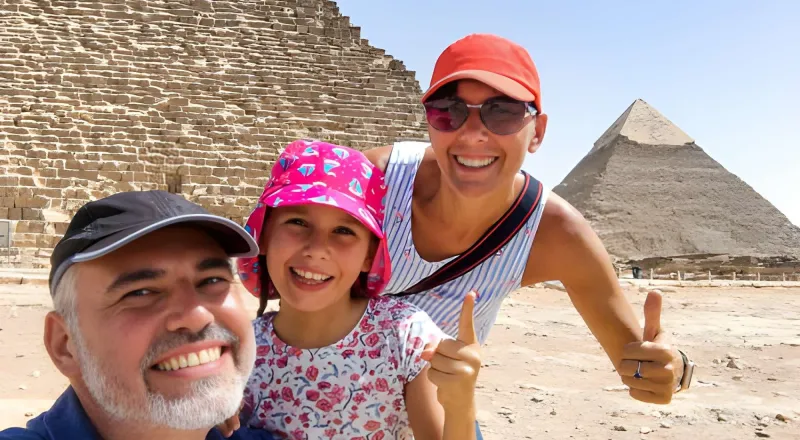
Arriving early is the single most effective way to enjoy Egypt’s top attractions without crowds. Most visitors and tour groups tend to arrive mid-morning, so aim to be among the first through the gates. For example, an early morning visit to the Giza Plateau often means uninterrupted views of the Pyramids and Sphinx.
Alternatively, consider visiting sites in the late afternoon, when group tours have departed and the light is ideal for photography. The Ministry of Tourism and Antiquities recommends arriving at least one hour before a site’s closing time to ensure a relaxed visit.
If you want to interact with locals, understanding the language can be invaluable. Discover what you need to know in our article on what language is spoken in Egypt.
Choosing Lesser-Known and Off-the-Beaten-Path Sites
While Egypt’s seven UNESCO World Heritage sites are world-renowned, the country is also home to dozens of lesser-known monuments and museums. Sites such as the Temple of Medinet Habu in Luxor or the Tombs of the Nobles in Aswan offer rich history and fewer visitors, making them ideal for those seeking a more intimate experience.
Exploring alternative neighborhoods and markets can also reveal the country’s vibrant culture without the crowds. Khan Al-Khalili, Cairo’s historic bazaar, is a must-visit, but timing and awareness are key to avoiding tourist traps. For practical tips, read our guide on how to avoid tourist scams in Khan Al-Khalili.
Private Tours and Custom Experiences
Booking a private guide or arranging a custom itinerary allows you to set your own pace and avoid the busiest times. Private tours can often access sites before or after regular group visits, and guides can recommend less crowded routes.
For those who love to shop, Egyptian markets offer unique souvenirs and local crafts. Learn how to find authentic treasures with our list of best souvenirs from Egypt that are not tourist traps.
Official Ticketing Policies and Entry Tips
All monument ticket prices are published in Egyptian Pounds (EGP) per the Ministry’s official ticketing service. Children under 6, Egyptian seniors aged 60 and above, Egyptians with special needs, and orphaned children enjoy free entry at Ministry-run sites, except at NMEC on Fridays, Saturdays, and public holidays. Students up to age 24 with valid ID are eligible for student tickets. Photography with a mobile phone is free of charge at Ministry monuments and museums.
At the Giza Plateau, self-service machines accept bank cards for ticket purchases, but card acceptance is not guaranteed at every site. Always check the latest policies on the official ticketing portal, as entry fees and hours are revised periodically.
| Site | Card Payment | Free Entry Eligibility | Photography Policy |
|---|---|---|---|
| Giza Plateau | Available via self-service machines | Children under 6, Egyptian seniors 60+, Egyptians with special needs, orphaned children | Mobile phone photography free of charge |
| Other Ministry Sites | Not guaranteed | Same as above | Mobile phone photography free of charge |
For those traveling during Egypt’s hottest months, comfort and safety are crucial. Read our expert guide on how to travel Egypt during the summer heat for essential tips.
Smart Itinerary Planning: Sequencing and Flexibility
Sequencing your visits can make a significant difference in crowd levels. Schedule the most popular sites for the earliest or latest part of the day, and intersperse them with quieter locations. Flexibility is also key—if you encounter a busy site, consider rescheduling or swapping with a less crowded alternative.
Sampling local cuisine is a highlight of any trip. For a taste of Egypt’s sweet traditions, try the famous Om Ali dessert—learn more about its origins and how to enjoy it with our Om Ali recipe and history feature.
Market Visits and Crowd-Free Shopping
Egyptian markets, or souks, are vibrant hubs of daily life. To shop without crowds, visit early in the morning or late in the evening. Haggling is part of the experience, and approaching it with respect and good humor can lead to memorable interactions and fair prices.
For newcomers to the art of negotiation, our beginner’s guide to haggling in Egyptian markets offers practical advice for a successful shopping adventure.
Frequently Asked Questions
What are the official free entry policies at Egyptian monuments?
Children under 6, Egyptian seniors 60 and above, Egyptians with special needs, and orphaned children receive free entry at Ministry-run monuments and museums, with some date exceptions at NMEC.
Can I pay for monument tickets with a credit card?
Self-service machines at the Giza Plateau accept bank cards for site tickets, but card payment is not guaranteed at all sites; check the specific site’s policy before visiting.
Is mobile phone photography allowed at monuments?
Photography with a mobile phone is free of charge at Ministry of Tourism and Antiquities sites and museums; commercial filming requires prior permission.
When is the best time to visit major sites to avoid crowds?
Early morning and late afternoon are the best times to visit major sites in Egypt to avoid crowds, as most tour groups arrive mid-morning and depart before closing.
How do Ramadan hours affect visiting monuments?
During Ramadan, sites and museums in Egypt operate on reduced hours, which are published per-site on the official ticketing portal; always check ahead for current schedules.