The Western Desert Oasis Loop: Bahariya To Kharga By Road
The Western Desert Oasis Loop from Bahariya to Kharga is a legendary overland journey through Egypt’s most dramatic landscapes, connecting a chain of ancient oases along a remote desert route. Adventurers can expect to traverse the White Desert, explore historic ruins, and experience authentic Bedouin hospitality on this multi-day road trip through the heart of Egypt’s Western Desert.
Key Takeaways
- The Western Desert Oasis Loop links Bahariya, Farafra, Dakhla, and Kharga oases by road, covering over 600 km of desert terrain.
- The White Desert National Park, famous for its surreal chalk formations, is a highlight between Bahariya and Farafra.
- Kharga Oasis is home to the Bagawat Necropolis, one of the world’s oldest Christian cemeteries.
- Travelers typically require a 4x4 vehicle and local permits to cross certain desert sections safely.
- Guided tours and overnight desert safaris are available for those seeking a seamless experience.
Traversing the Western Desert Oasis Loop is not just a road trip—it’s a passage through time, where ancient caravan routes, pharaonic temples, and natural wonders await at every turn. The journey from Bahariya to Kharga offers a rare glimpse into Egypt’s untamed heart, far from the bustle of the Nile Valley. For travelers seeking adventure, solitude, and history, this route is a transformative experience that rivals the allure of Egypt’s more famous sites.
Many begin their adventure with an overnight safari trip to Bahariya and the White Desert, an immersive introduction to the region’s stark beauty and unique geology. The Bahariya Oasis itself is a lush haven, surrounded by golden dunes and palm groves, and serves as a gateway to the White Desert’s otherworldly landscapes.
Bahariya Oasis: Gateway to the Western Desert
Bahariya Oasis, located about 370 km southwest of Cairo, is the traditional starting point for the Western Desert circuit. Once a vital stop on ancient trade routes, Bahariya is famed for its hot springs, verdant date palms, and archaeological treasures, including tombs from the Greco-Roman period. The oasis town of Bawiti provides essential services and accommodations for travelers preparing to venture deeper into the desert.
For those interested in the deeper history of this region, the Battle of Kadesh blog explores the military strategies and ancient conflicts that shaped Egypt’s western frontiers. Bahariya is also a launchpad for excursions to the Black Desert, known for its volcanic hills, and the Crystal Mountain, where quartz crystals glint in the sun.
The White Desert National Park: Surreal Landscapes
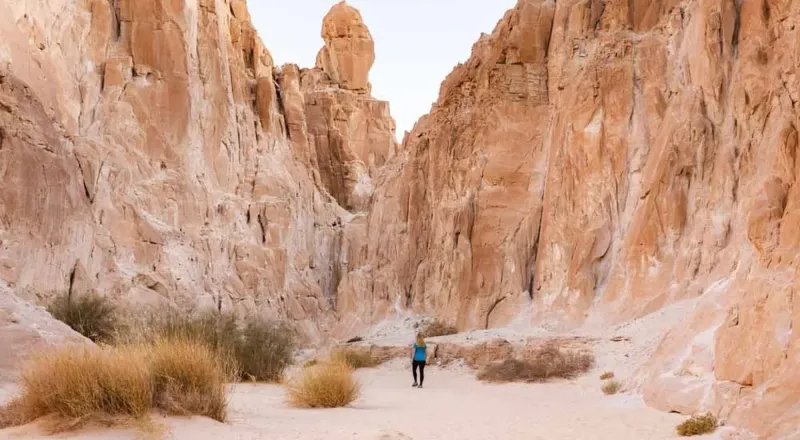
Between Bahariya and Farafra lies the White Desert National Park, a protected area renowned for its chalk rock formations sculpted by wind and sand into fantastical shapes. Travelers often camp beneath the stars here, surrounded by “mushroom” and “ice-cream cone” formations that glow ethereally at sunrise and sunset. The White Desert is a highlight for photographers, geologists, and anyone seeking an unforgettable natural spectacle.
For a detailed guide to exploring this vast region, see Exploring the Western Desert of Egypt: A True Adventure Wonderland, which covers essential tips, safety advice, and must-see sights along the route.
Farafra Oasis: Art, Heritage, and Hot Springs
Farafra Oasis is the smallest and most remote of the main oases, known for its tranquil atmosphere and the village of Qasr Farafra. The oasis is famous for its hot springs and the Badr Museum, which showcases the works of local artist Badr Abdel Moghny. Farafra’s palm groves and mud-brick architecture offer a glimpse into traditional oasis life, while the surrounding desert is perfect for off-road exploration.
Travelers seeking inspiration for their journey can browse Egypt’s Most Beautiful Desert Trails, which highlights the best trekking and driving routes across the Western Desert.
Dakhla Oasis: Ancient Settlements and Fertile Fields
Dakhla Oasis is an expansive and fertile region, dotted with ancient settlements, lush fields, and dramatic escarpments. The village of Mut, the largest in the oasis, is known for its medieval Islamic architecture and vibrant local markets. Nearby, the ancient site of Al-Qasr features mud-brick houses, a centuries-old mosque, and winding alleys that transport visitors back in time.
Dakhla is also home to the Deir El Hagar temple, a Roman-era structure set amidst the desert, and the Balat necropolis, which preserves tombs from Egypt’s Old Kingdom. This oasis is a haven for cultural explorers and those interested in the intersection of history and nature.
For a romantic twist on your desert adventure, consider pairing your oasis journey with a luxurious and romantic 8 day Egypt honeymoon package, which combines the magic of the desert with the elegance of Egypt’s top accommodations.
Kharga Oasis: Temples, Tombs, and the Edge of the Desert
Kharga Oasis marks the southern end of the Western Desert loop and is the largest of the oases. It is renowned for its archaeological sites, including the Hibis Temple, a well-preserved Persian-era temple, and the Bagawat Necropolis, one of the world’s oldest Christian cemeteries. The Kharga Oasis: The Bagawat Necropolis And Hibis Temple blog offers a comprehensive look at these fascinating landmarks.
Kharga’s unique blend of ancient Egyptian, Roman, and Christian heritage makes it a must-visit for history enthusiasts. The oasis is also a springboard for further adventures into the desert or a relaxing end point for the overland journey.
Practicalities: Route Planning, Permits, and Safety
The Western Desert Oasis Loop is best traveled by 4x4 vehicles, with experienced drivers familiar with desert conditions. Certain sections, especially between Farafra and Dakhla, require travel permits, which can be arranged through local tour operators. The route is remote, with limited fuel and supplies between oases, so careful planning is essential.
Travelers interested in Egypt’s spiritual heritage can enrich their journey with a visit to the Hanging Church in Coptic Cairo, or by exploring the historic district of Old Cairo before heading west.
Desert nights can be cold, and sandstorms are possible, so packing appropriate clothing and supplies is crucial. Many travelers opt for guided tours to ensure safety and access to restricted areas. For those seeking a truly immersive experience, overnight camping under the stars is a highlight of the journey.
Combining the Oasis Loop with Nile Cruises and City Escapes
After completing the oasis loop, many travelers continue their Egyptian adventure with a 4 day 3 night Nile cruise from Aswan to Luxor, enjoying the contrast between desert solitude and the lush Nile Valley. Others may choose to explore Cairo’s landmarks, such as the Citadel Salah el Din or the Cairo Tower, before or after their desert adventure.
For couples, the oasis loop can be seamlessly integrated into a 10 day Egypt honeymoon holiday or a 10 day classic romantic Egypt honeymoon itinerary, blending adventure with luxury accommodations and private experiences.
Desert Legends, Symbols, and Ancient Mysteries
The Western Desert is steeped in myth and legend, from ancient pharaonic expeditions to tales of lost cities beneath the sands. The jackal-headed god Anubis, guardian of the dead, is often associated with the desert’s edge—learn more about his enduring symbolism in Anubis Symbol.
For those who crave the ultimate in luxury, the Movenpick Ms Royal Lily Nile cruise offers a five-star journey along the river, a perfect complement to the rugged beauty of the desert oases.
Why the Western Desert Oasis Loop is Egypt’s Ultimate Road Adventure
From the surreal landscapes of the White Desert to the ancient temples of Kharga, the Western Desert Oasis Loop is a journey that rewards the bold. It is a chance to disconnect from the modern world and rediscover the spirit of adventure that has drawn explorers to Egypt for centuries. Whether you travel independently or join a guided expedition, this route promises memories as enduring as the desert itself.
For further inspiration, browse our expert guide to Egypt’s Most Beautiful Desert Trails and start planning your unforgettable journey across Egypt’s wild west.
Frequently Asked Questions
Is it safe to drive the Western Desert Oasis Loop from Bahariya to Kharga?
Traveling the Western Desert Oasis Loop is safe when done with a reputable guide or tour operator, as certain areas require local permits and knowledge of desert conditions. Solo travel is not recommended due to remoteness and limited services.
How long does it take to complete the oasis loop by road?
The journey from Bahariya to Kharga via the oasis loop typically takes 3 to 5 days, depending on stops, sightseeing, and overnight camping preferences.
Do I need a 4x4 vehicle for this route?
A 4x4 vehicle is strongly recommended for the Western Desert Oasis Loop, as the route includes unpaved tracks, soft sand, and remote desert sections.
Are there accommodations available in the oases?
Each oasis—Bahariya, Farafra, Dakhla, and Kharga—offers basic hotels, guesthouses, and traditional lodges, but facilities are limited compared to major cities. Booking in advance is advised, especially during peak travel seasons.
What are the main highlights along the Western Desert Oasis Loop?
The main highlights include the White Desert National Park, Crystal Mountain, Deir El Hagar temple in Dakhla, and the Bagawat Necropolis and Hibis Temple in Kharga Oasis.