Kharga Oasis: The Bagawat Necropolis and Hibis Temple
The Bagawat Necropolis and Hibis Temple in Kharga Oasis are two of Egypt’s most remarkable archaeological treasures, offering visitors a unique glimpse into early Christian and ancient Egyptian heritage in the Western Desert. Both sites are accessible from Kharga city and can be visited on a day trip, making Kharga Oasis an essential destination for travelers seeking history beyond the Nile Valley.
Key Takeaways
- The Bagawat Necropolis is one of the oldest and best-preserved Christian cemeteries in the world, with chapels dating back to the 4th–6th centuries AD.
- Hibis Temple is the only surviving temple from Egypt’s Saite Persian period, with remarkable reliefs and a rare depiction of Persian king Darius I.
- Kharga Oasis lies in Egypt’s Western Desert, offering a dramatic contrast to the lush Nile-side temples like Luxor Temple and Karnak Temple.
- Free entry to Egyptian monuments is granted for children under 6, Egyptian seniors 60+, Egyptians with special needs, and orphaned children, with exceptions on specific days per the Ministry of Tourism and Antiquities.
- Photography with a mobile phone is free of charge at Ministry sites, including Kharga’s monuments.
Introduction to Kharga Oasis: Egypt’s Desert Gateway of Antiquity
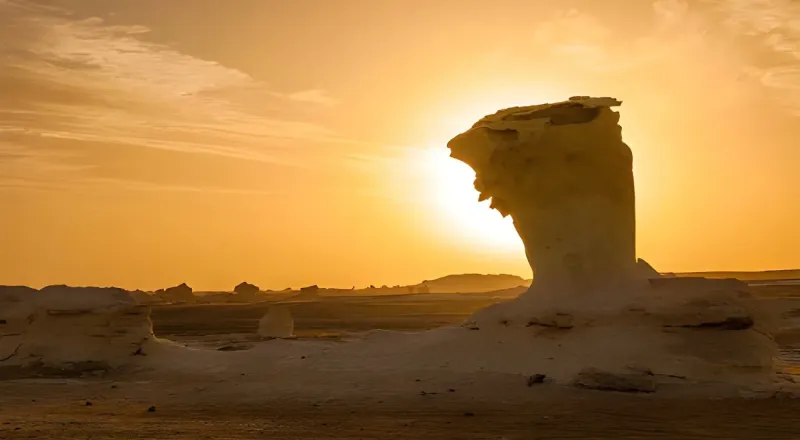
Kharga Oasis, the southernmost of Egypt’s five Western Desert oases, is a crossroads of history, culture, and natural beauty. Located along ancient caravan routes, Kharga has been a vital outpost since pharaonic times, serving as a bridge between the Nile Valley and the Sahara. Today, it draws discerning travelers eager to explore archaeological sites far from the crowds of Cairo and Luxor. The oasis is best known for its two standout attractions: the Bagawat Necropolis, a sprawling cemetery of mud-brick chapels adorned with early Christian art, and the Hibis Temple, a rare survivor from the 26th Dynasty and Persian occupation. Both sites offer a powerful sense of Egypt’s layered past, revealing stories of faith, resilience, and cross-cultural exchange.
For those crafting a journey through Egypt’s hidden gems, Kharga Oasis provides an evocative contrast to the monumental temples of the Nile. While sites like Philae Temple and the Sakkara Necropolis are celebrated for their grandeur, Kharga’s treasures speak through their desert solitude and remarkable preservation. Adventurous travelers often combine a visit to Kharga with desert trekking, traditional markets, and even a multi-day itinerary as part of a broader exploration of Egypt’s most beautiful desert trails. Whether you’re an archaeology enthusiast, a spiritual seeker, or simply craving a journey off the beaten path, Kharga Oasis delivers a compelling chapter in Egypt’s story.
The Bagawat Necropolis: A Testament to Early Christian Egypt
Set against a backdrop of ochre hills and palm groves, the Bagawat Necropolis is among the oldest Christian cemeteries in existence. Dating from the 4th to 6th centuries AD, Bagawat features over 260 mud-brick chapels, many of which are decorated with vivid biblical frescoes. These chapels served as burial places for the early Christian community in Kharga, who found refuge in the oasis during times of persecution and upheaval.
The necropolis is especially renowned for its Chapel of the Exodus, where visitors can view rare wall paintings depicting scenes from the Old Testament, including the flight of the Israelites from Egypt. The Chapel of Peace, meanwhile, displays portraits of saints and symbolic motifs that reflect the blend of Egyptian, Greco-Roman, and Christian traditions. Exploring Bagawat is a moving experience—a walk through a silent city of the dead that preserves the faith and artistry of Egypt’s early Christians. For a deeper look at Egypt’s religious history, consider reading about Hatshepsut, whose reign shaped much of the region’s spiritual legacy.
Bagawat Necropolis vs. Sakkara Necropolis: Key Differences
| Feature | Bagawat Necropolis | Sakkara Necropolis |
|---|---|---|
| Era | 4th–6th centuries AD (Christian) | Old Kingdom to Late Period (Pharaonic) |
| Material | Mud-brick chapels | Stone mastabas and pyramids |
| Notable Art | Biblical frescoes | Pharaonic reliefs and hieroglyphs |
| Location | Kharga Oasis, Western Desert | Saqqara, near Cairo |
| Spiritual Significance | Early Christian community | Royal and noble burials |
For those interested in a deeper comparison, the Sakkara Necropolis offers a striking contrast in both age and architectural style.
Hibis Temple: A Persian-Era Jewel in the Desert
The Hibis Temple is Kharga Oasis’s most significant ancient Egyptian monument. Constructed during the 26th Dynasty and completed under Persian rule, it is the only major temple from this period to survive in Egypt. Dedicated to the Theban triad—Amun, Mut, and Khonsu—the temple is famed for its well-preserved reliefs, which include rare imagery of Darius I, the Persian king, making offerings to Egyptian gods. This fusion of Persian and Egyptian iconography is unique among Egypt’s temples and offers a fascinating glimpse into the country’s multicultural past.
Visitors to Hibis Temple will find a sanctuary adorned with vivid colors, intricate carvings, and inscriptions that narrate both mythological and historical events. The temple’s location on the edge of Kharga city makes it easily accessible, and its desert setting creates a dramatic atmosphere, especially at sunrise or sunset. For travelers who have marveled at the grandeur of Karnak Temple or the elegance of Luxor Temple, Hibis offers a more intimate and contemplative experience.
Planning Your Visit: Practical Information for Kharga Oasis
Visiting Kharga Oasis requires some advance planning, as its remote location means fewer tourist services compared to the Nile Valley. The best way to reach Kharga is by road from Luxor or Asyut, with private transfers or organized tours available. Many travelers include Kharga Oasis as part of a longer desert itinerary or a luxury package tour, such as the 13 Days Egypt Tour or the 11 Days Egypt Trip Nile Cruise, which combine oasis exploration with classic Nile cruises.
Entry to Egyptian monuments, including those in Kharga, is free for children under 6, Egyptian seniors aged 60 and above, Egyptians with special needs, and orphaned children, except on Fridays, Saturdays, and public holidays at certain sites. Students up to age 24 with a valid ID are eligible for discounted tickets. Photography with a mobile phone is free of charge at Ministry sites, and all monument ticket prices are listed in Egyptian Pounds (EGP). It is advisable to arrive at least one hour before closing time, and opening hours may be reduced during Ramadan, with the exact schedule published per-site on the official ticketing portal. Official fees and hours are revised periodically, so always check the latest details before traveling.
For those seeking a different perspective on Egypt’s wonders, Kharga Oasis can be paired with a 7 Night Nile Cruise Itinerary from Luxor or a 4 Day Aswan Abu Simbel Nile Cruise, creating a journey that spans both river and desert. For solo women travelers, the 8 Days Cleopatra Cairo and Nile Cruise Tour for Solo Woman offers a secure and enriching way to explore Egypt’s diverse landscapes.
Beyond the Monuments: Culture, Markets, and Modern Life in Kharga
While the Bagawat Necropolis and Hibis Temple are Kharga’s main draws, the oasis is also home to vibrant markets, traditional crafts, and a welcoming local community. The main town features a lively bazaar where travelers can shop for dates, pottery, and desert herbs—an experience reminiscent of the top bazaars for shopping in Egypt found in larger cities. Kharga’s hot springs and palm-shaded gardens offer relaxation after a day of exploration, and the surrounding dunes provide opportunities for sandboarding, camel treks, and stargazing.
Those passionate about Egypt’s natural beauty and adventure will appreciate Kharga’s position along routes highlighted in Egypt’s most beautiful desert trails. The oasis is also a gateway to other Western Desert wonders, making it a rewarding stop for anyone planning a longer journey through Egypt’s hidden heartlands. Discover more reasons to include Kharga in your itinerary in 100 Reasons to Visit Egypt.
Combining Kharga Oasis with Other Egyptian Highlights
For travelers looking to maximize their time in Egypt, Kharga Oasis can be seamlessly combined with iconic attractions across the country. Many luxury itineraries feature both desert adventures and classic Nile-side temples, allowing guests to experience the full spectrum of Egypt’s heritage. After exploring Kharga, consider visiting the Temple of Kalabsha in Aswan, or unwinding on a Nile cruise that sails past legendary sites such as Philae Temple and Luxor Temple.
For inspiration on crafting a multi-destination journey, explore our guide to Egypt and consider curated packages like the 11 Days Egypt Trip Nile Cruise. Whether you’re seeking adventure, culture, or relaxation, Kharga Oasis is a destination that rewards curiosity and enriches every Egyptian itinerary.
Frequently Asked Questions
What is the Bagawat Necropolis in Kharga Oasis?
The Bagawat Necropolis is an ancient Christian cemetery in Kharga Oasis, containing over 260 mud-brick chapels dating from the 4th to 6th centuries AD, many decorated with biblical frescoes and early Christian art.
Why is Hibis Temple significant among Egyptian temples?
Hibis Temple is the only major temple from Egypt’s Saite Persian period to survive and is notable for its well-preserved reliefs, including rare depictions of Persian king Darius I making offerings to Egyptian gods.
How do I reach Kharga Oasis and its monuments?
Kharga Oasis can be reached by road from Luxor or Asyut, with private transfers or organized tours available. Many travelers include Kharga as part of a longer desert or luxury tour package.
Are there discounts or free entry policies at Kharga’s sites?
Entry is free for children under 6, Egyptian seniors aged 60 and above, Egyptians with special needs, and orphaned children, except on Fridays, Saturdays, and public holidays at certain sites, per the Ministry of Tourism and Antiquities.
Is photography allowed at the Bagawat Necropolis and Hibis Temple?
Photography with a mobile phone is free of charge at Ministry sites, including the Bagawat Necropolis and Hibis Temple. Commercial filming requires prior permission.
Can Kharga Oasis be combined with Nile cruise itineraries?
Yes, Kharga Oasis is often included in broader Egypt itineraries that feature Nile cruises, allowing travelers to experience both the Western Desert and iconic river temples in one journey.
What makes Kharga Oasis different from other Egyptian destinations?
Kharga Oasis stands out for its early Christian heritage, unique Persian-era temple, tranquil desert landscapes, and authentic local culture, offering a quieter and more contemplative experience than Egypt’s major tourist sites.