Egypt Holidays and Traditions: Celebrations, Rituals, and Modern Life
Egyptian holidays and traditions blend ancient rituals with vibrant modern celebrations, reflecting a rich cultural tapestry shaped by millennia of history and diverse communities. Key holidays include Ramadan, Eid al-Fitr, Eid al-Adha, Coptic Christmas, and Sham El-Nessim, each marked by unique customs, foods, and social gatherings that reveal the heart of Egyptian society.
Key Takeaways
- Egypt celebrates both Islamic and Christian holidays, with national festivals uniting all communities.
- Sham El-Nessim, a spring festival, is observed by Egyptians of all faiths and traces its roots to Pharaonic times.
- Children under 6, Egyptian seniors 60+, Egyptians with special needs, and orphaned children receive free entry to monuments and museums, per the Ministry of Tourism and Antiquities.
- Photography with a mobile phone is free of charge at Ministry sites, but commercial filming requires permission.
- Egypt has 7 UNESCO World Heritage sites, according to UNESCO.
Egypt’s holidays are more than dates on a calendar; they are living traditions that bring families and communities together. From the spiritual reflection of Ramadan to the joyful picnics of Sham El-Nessim, each celebration offers a window into the Egyptian way of life. Understanding these rituals not only enriches your travel experience but also deepens your appreciation of Egypt’s enduring hospitality and cultural depth. For visitors, participating respectfully in these traditions can create lifelong memories and foster genuine connections with local people.
Before exploring Egypt’s festive calendar, it’s helpful to understand the country’s diverse religious and cultural landscape. Egypt is predominantly Muslim, with a significant Christian minority, mainly Coptic Orthodox, and a long history of coexistence and shared customs. This blend is reflected in public holidays, family traditions, and even the foods served during special occasions. For more on local customs, see Egypt Travel Etiquette.
Major Religious and National Holidays in Egypt
Egypt’s calendar features a mix of religious and national holidays, observed with public festivities, time-honored rituals, and family gatherings. The main holidays include:
| Holiday | Type | Typical Date | Main Traditions |
|---|---|---|---|
| Ramadan | Islamic | Lunar month (varies annually) | Fasting, nightly feasts (iftar), charity, spiritual reflection |
| Eid al-Fitr | Islamic | End of Ramadan | Prayers, visiting family, sweets and gifts |
| Eid al-Adha | Islamic | Approx. 2 months after Ramadan | Animal sacrifice, charity, communal meals |
| Coptic Christmas | Christian | January 7 | Church services, family gatherings, special foods |
| Sham El-Nessim | National/Spring | Day after Coptic Easter | Outdoor picnics, eating salted fish (feseekh), colored eggs |
| Revolution Day | National | July 23 | Parades, public celebrations |
For a deeper understanding of how language shapes holiday greetings and rituals, visit What Language Is Spoken In Egypt.
Ramadan: The Month of Fasting and Reflection
Ramadan, the ninth month of the Islamic calendar, is the most significant religious observance for Egypt’s Muslim majority. During this month, Muslims fast from dawn until sunset, refraining from food, drink, and smoking. The fast is broken each evening with iftar, a festive meal shared with family and friends. Streets come alive after dark, with lanterns (fanous) and special sweets like konafa and qatayef. Non-Muslim visitors are welcome but should be respectful of local customs, especially in public spaces. Official sites and museums operate reduced hours during Ramadan, published per-site on the Ministry’s ticketing portal.
For tips on navigating Egypt’s climate during Ramadan or summer, see How To Travel Egypt During The Summer Heat.
Eid al-Fitr and Eid al-Adha: Joyous Celebrations
Eid al-Fitr marks the end of Ramadan and is celebrated with communal prayers, family visits, and the exchange of sweets and gifts. Eid al-Adha, the “Festival of Sacrifice,” commemorates the willingness of Ibrahim (Abraham) to sacrifice his son. Families who can afford it perform the ritual sacrifice of a sheep or cow, sharing the meat with relatives and the needy. Both Eids are public holidays, with schools and businesses closed, and cities filled with festive decorations.
During these times, many Egyptians travel to visit relatives or enjoy local attractions. To avoid crowds at popular sites, read How To Visit Egypt During Peak Season Without Crowds.
Coptic Christmas and Easter: Christian Traditions in Egypt
Egypt’s Coptic Christian community celebrates Christmas on January 7 and Easter in spring, following the Coptic Orthodox calendar. Christmas is marked by midnight church services, family gatherings, and traditional foods such as fatta (a dish of bread, rice, and meat). Coptic Easter is a time of joy, culminating in Sham El-Nessim, a national holiday celebrated by all Egyptians regardless of religion.
Sham El-Nessim: Egypt’s Ancient Spring Festival
Sham El-Nessim, meaning “smelling the breeze,” is one of Egypt’s oldest holidays, dating back to Pharaonic times. Celebrated on the Monday following Coptic Easter, it is a day for outdoor picnics in parks and along the Nile. Foods such as feseekh (salted fish), green onions, and colored eggs are traditional. This festival underscores Egypt’s unique blend of ancient and modern, uniting communities in a shared love of nature and renewal.
To discover more about authentic Egyptian foods enjoyed during holidays, explore the Om Ali Recipe And History.
Family, Food, and Festive Customs
Egyptian holidays revolve around family, hospitality, and food. Special dishes are prepared for each occasion, and sharing meals is central to every celebration. During Ramadan and Eid, tables are filled with traditional favorites, while Sham El-Nessim brings out picnic baskets and delicacies unique to the season. Gift-giving, visiting elders, and acts of charity are also important aspects of holiday observance.
Shopping for holiday gifts or souvenirs? Learn how to find unique items with Best Souvenirs From Egypt That Are Not Tourist Traps.
Etiquette for Visitors During Egyptian Holidays
Travelers are warmly welcomed during Egyptian holidays, but it is essential to observe local etiquette. Dress modestly, especially when visiting religious sites or during Ramadan. Accepting invitations to share a meal or tea is a sign of respect and friendship. When shopping in markets during holidays, polite bargaining is expected; see A Beginner’s Guide To Haggling In Egyptian Markets for tips. Always greet hosts and shopkeepers with a smile and a friendly “Eid Mubarak” or “Kol sana wa enta tayyeb” during festive times.
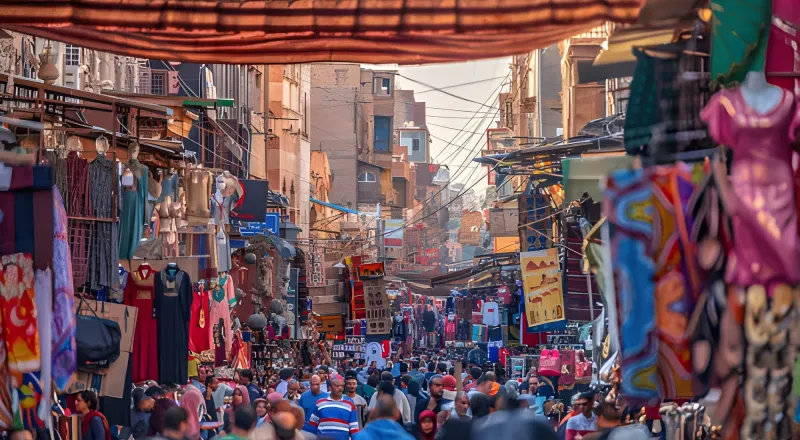
Be mindful of increased crowds at markets and tourist sites, especially during Eid and Sham El-Nessim. For advice on avoiding scams in popular places, read How To Avoid Tourist Scams In Khan Al-Khalili.
Visiting Monuments and Museums During Holidays
Egypt’s world-famous monuments and museums remain open during most holidays, though hours may be reduced during Ramadan. Per the Ministry of Tourism and Antiquities, entry is free for children under 6, Egyptian seniors 60+, Egyptians with special needs, and orphaned children. Students up to age 24 must show valid ID for discounted tickets. All monument ticket prices are in Egyptian Pounds (EGP). Photography with a mobile phone is free at Ministry sites, but commercial filming requires prior permission. Self-service machines at Giza accept bank cards for site tickets; card acceptance is not guaranteed at all sites. Arrive at least one hour before closing, as recommended by the Ministry. Official fees and hours are revised periodically, so always check the booking channel for the latest information.
Egypt’s UNESCO World Heritage Sites: Where History Comes Alive
Egypt is home to 7 UNESCO World Heritage sites, each offering a glimpse into the country’s ancient and medieval past. These sites become especially lively during holidays, as Egyptian families and tourists alike flock to explore their wonders. Planning your visit during a major festival can add a memorable dimension to your experience, as you witness both historical grandeur and modern celebration side by side.
Frequently Asked Questions: Egypt Holidays and Traditions
What are the main public holidays in Egypt?
The main public holidays in Egypt include Ramadan, Eid al-Fitr, Eid al-Adha, Coptic Christmas, Sham El-Nessim, and Revolution Day, each celebrated with unique customs and family gatherings.
Is it appropriate for tourists to participate in local holiday celebrations?
Tourists are welcome to join public celebrations and accept invitations to meals or gatherings during Egyptian holidays, as long as they observe local etiquette and dress modestly.
Are museums and monuments open during holidays?
Museums and monuments remain open during most holidays, with reduced hours during Ramadan; always check the official booking channel for current schedules and ticket policies.
What foods are traditional during Egyptian holidays?
Traditional holiday foods include feseekh and colored eggs for Sham El-Nessim, special sweets during Ramadan and Eid, and dishes like fatta for Coptic Christmas and Easter.
How do Egyptians greet each other during holidays?
Common greetings during holidays are “Eid Mubarak” for Islamic festivals and “Kol sana wa enta tayyeb” for general good wishes; these greetings express happiness and goodwill.
Related reading: Belly Dance in Egypt | Christmas in Egypt | The Ancient Egyptian Calendar